
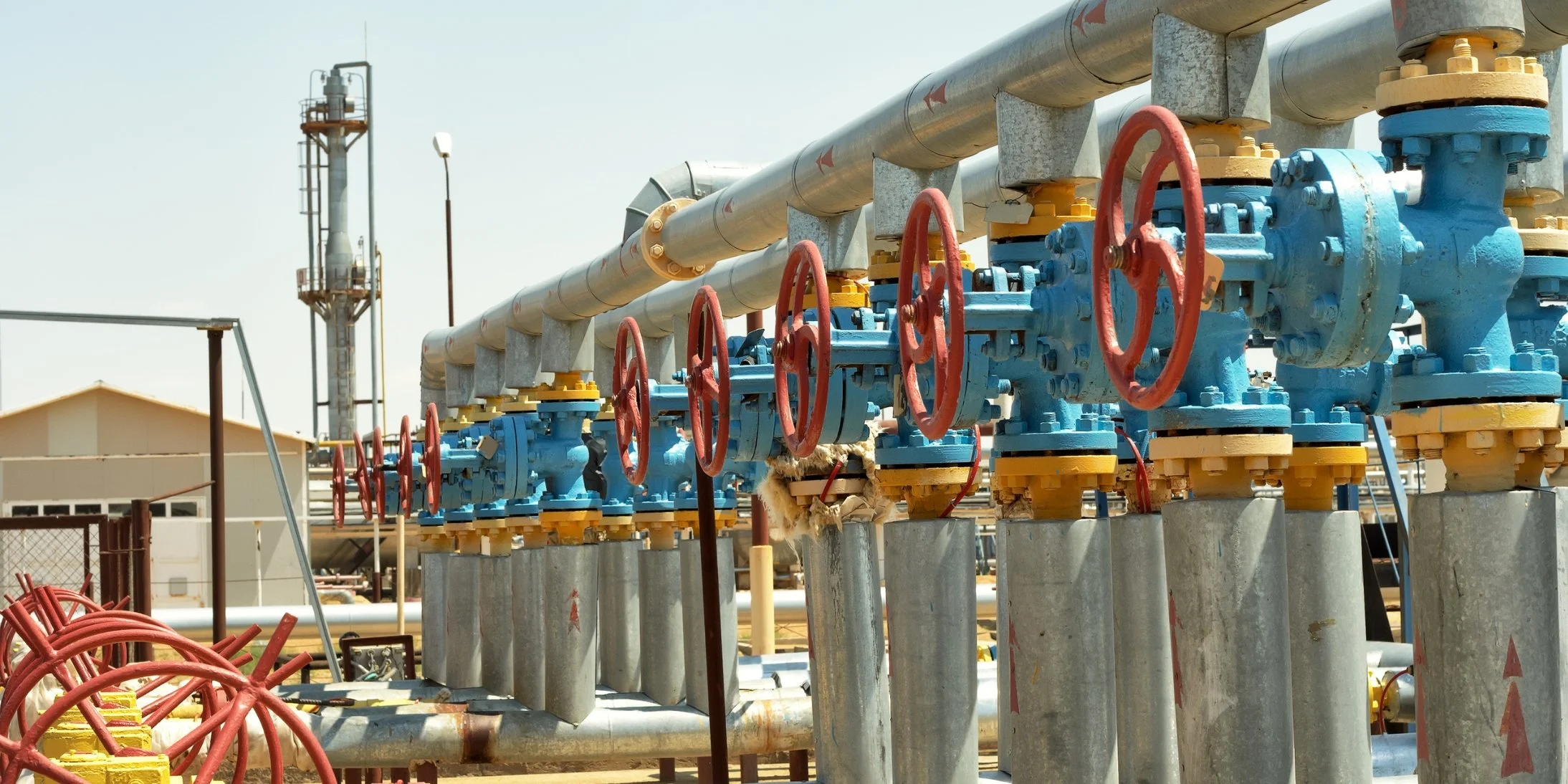
How Industrial Valves Work (Simple Mechanical Principles)
Industrial valves work using simple mechanical principles that control the flow of liquids, gases, and steam. This guide explains how valves open, close, seal, and regulate flow using basic internal components and movement.

The Main Types of Valves Explained
There are many different types of valves, each designed for a specific function. This guide explains the main valve types, how they work, and where they are commonly used in industrial and commercial systems.
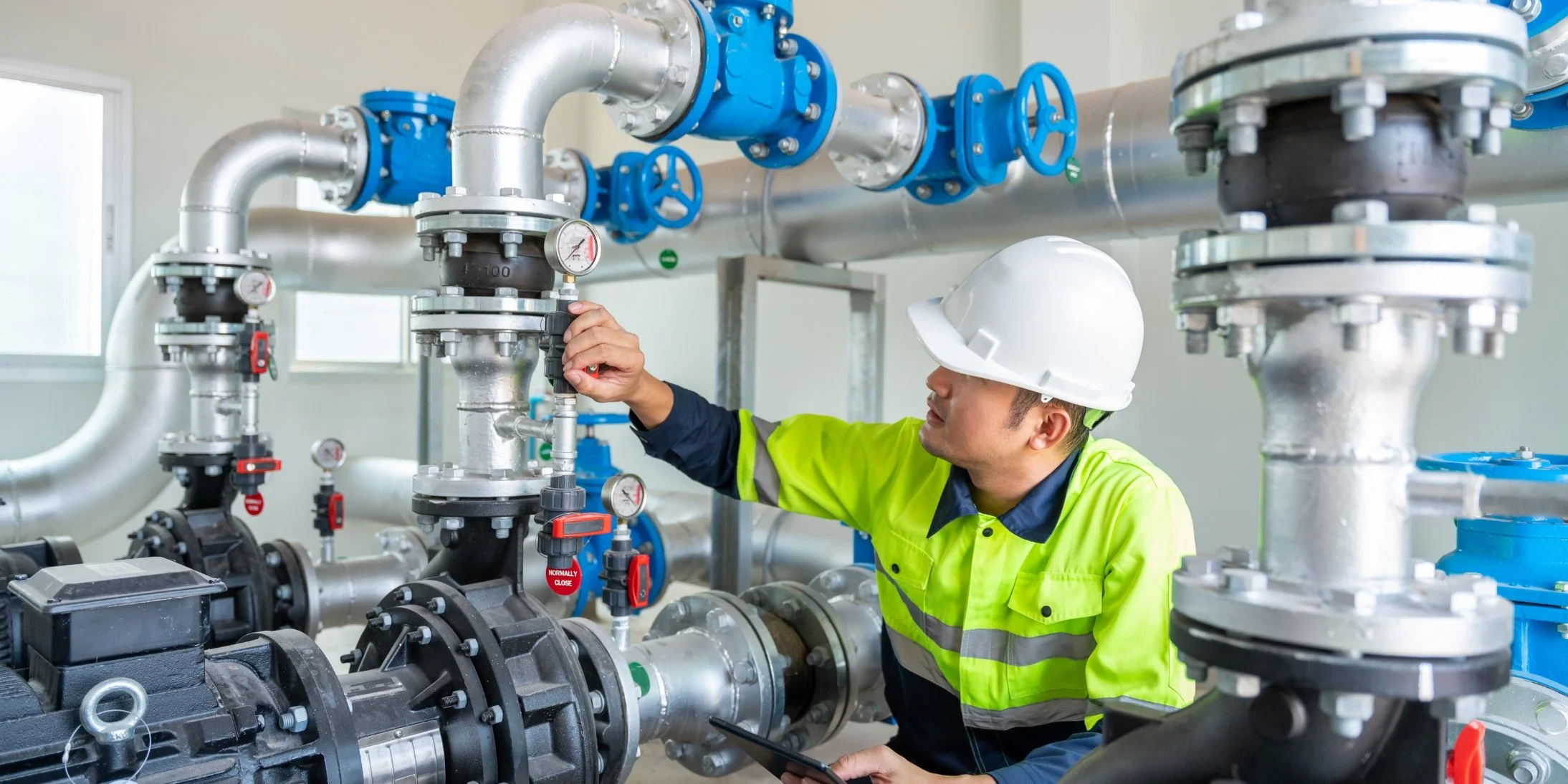
Manual vs Automated Valves – What’s the Difference?
Manual valves are operated by hand using levers or handwheels, while automated valves use actuators to control flow remotely or automatically. This guide explains the key differences, benefits, and use cases for each valve type.
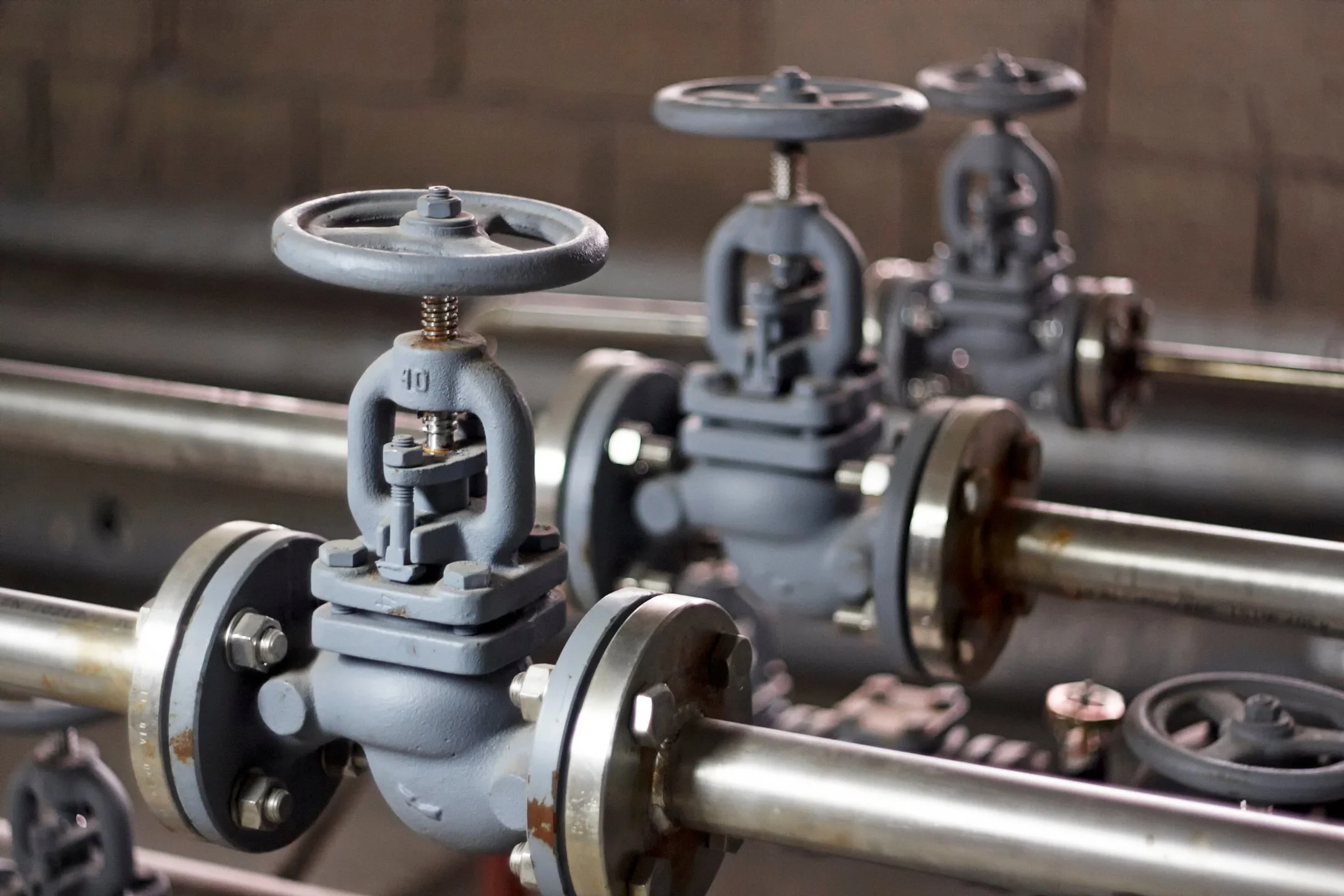
On/Off Valves vs Control Valves Explained
On/off valves and control valves may look similar, but they serve very different purposes. This guide explains how each type works, their key differences, and how to choose the right valve for your application.
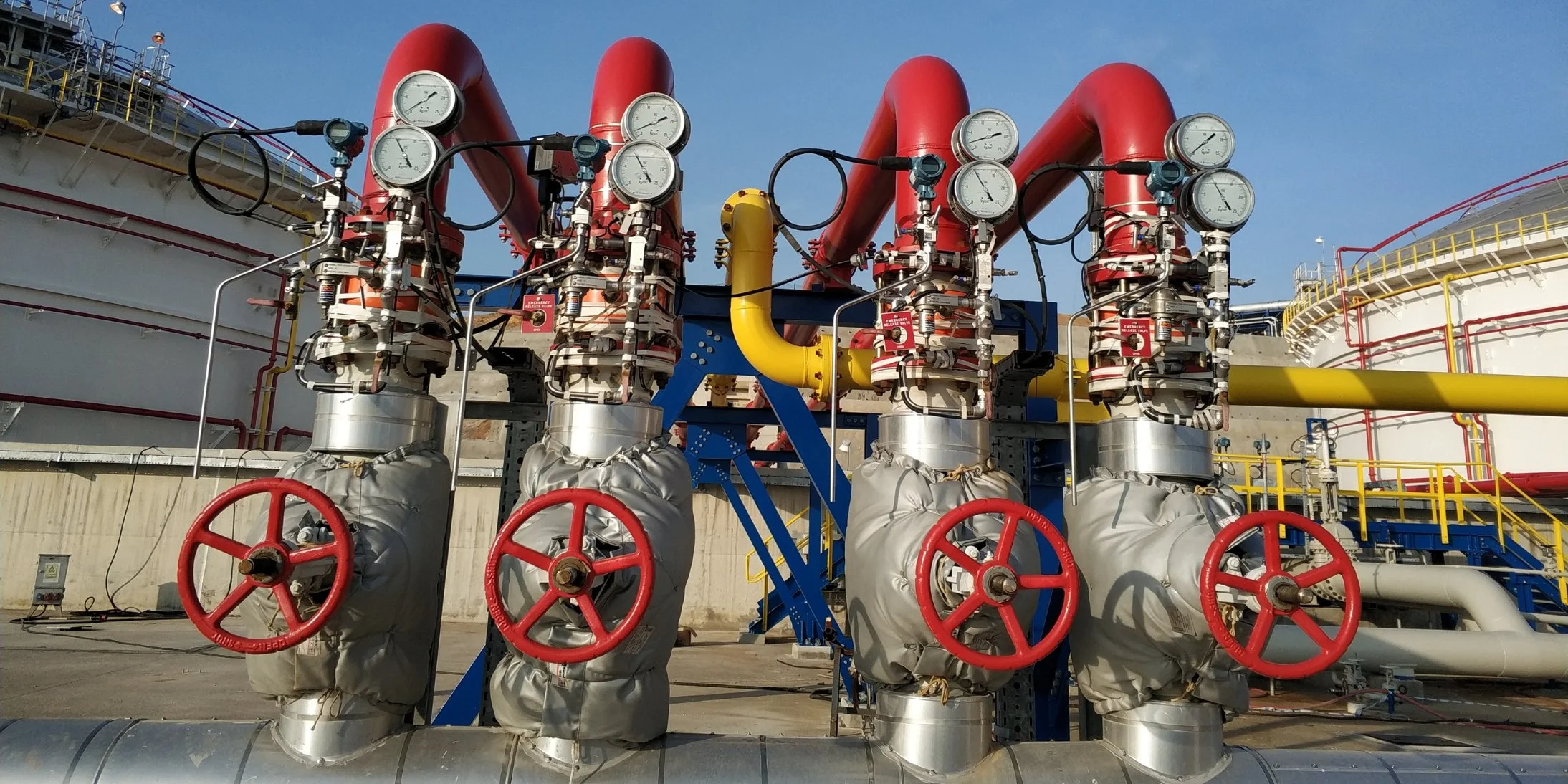
Valve Anatomy Explained: Body, Seat, Stem, Disc & Bonnet
Valve anatomy may look complex, but most valves share the same core components. This guide explains the valve body, seat, disc, stem, and bonnet — what each part does and why every component matters for performance, sealing, and safety.

Why Valve Selection Matters in Industrial Systems
Valve selection plays a critical role in the safety, efficiency, and reliability of industrial systems. This guide explains why choosing the right valve matters, how incorrect selection leads to failures, and what factors engineers must consider to ensure long-term performance.
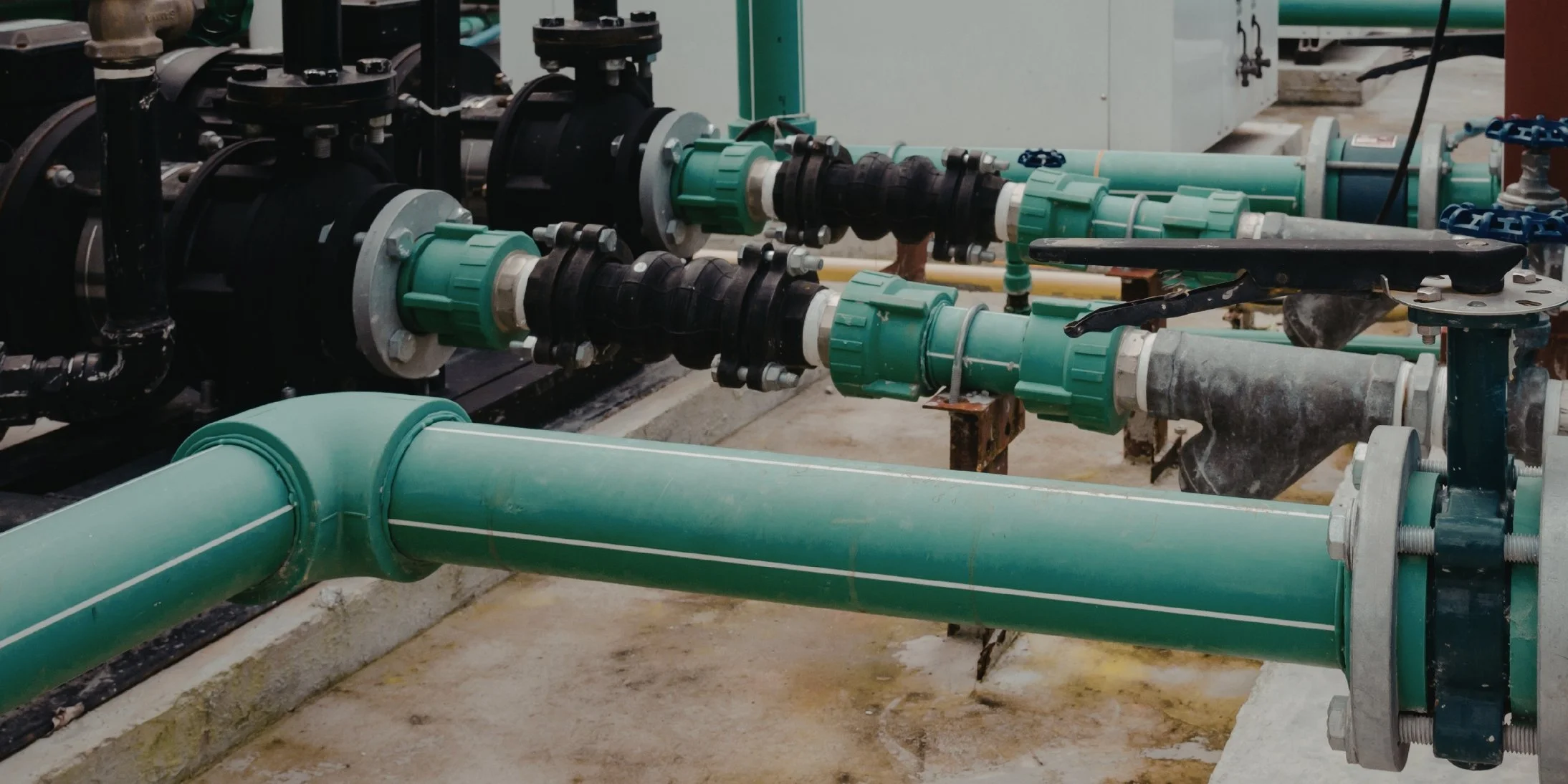
What Is a Valve? A Complete Beginner’s Guide
A valve is a mechanical device used to control the flow of liquids, gases, or steam within a system. From simple on/off isolation to precise flow regulation in industrial processes, valves play a critical role in safety, efficiency, and control across almost every industry.