What Is a Valve? A Complete Beginner’s Guide
INTRODUCTION: WHY VALVES MATTER
Valves are one of the most important — yet most overlooked — components in industrial, commercial, and even domestic systems. Wherever liquids, gases, or steam need to be controlled, a valve is almost always involved. From water supply networks and heating systems to oil refineries and power stations, valves quietly regulate flow, pressure, and direction to keep systems running safely and efficiently.
At its simplest, a valve is a mechanical device that controls the flow of a fluid by opening, closing, or partially obstructing a passageway. While the concept is straightforward, the variety of valve types and applications can feel overwhelming to beginners. This guide breaks it down clearly, without jargon, so you understand what valves are, how they work, and why they’re so important.
WHAT DOES A VALVE DO?
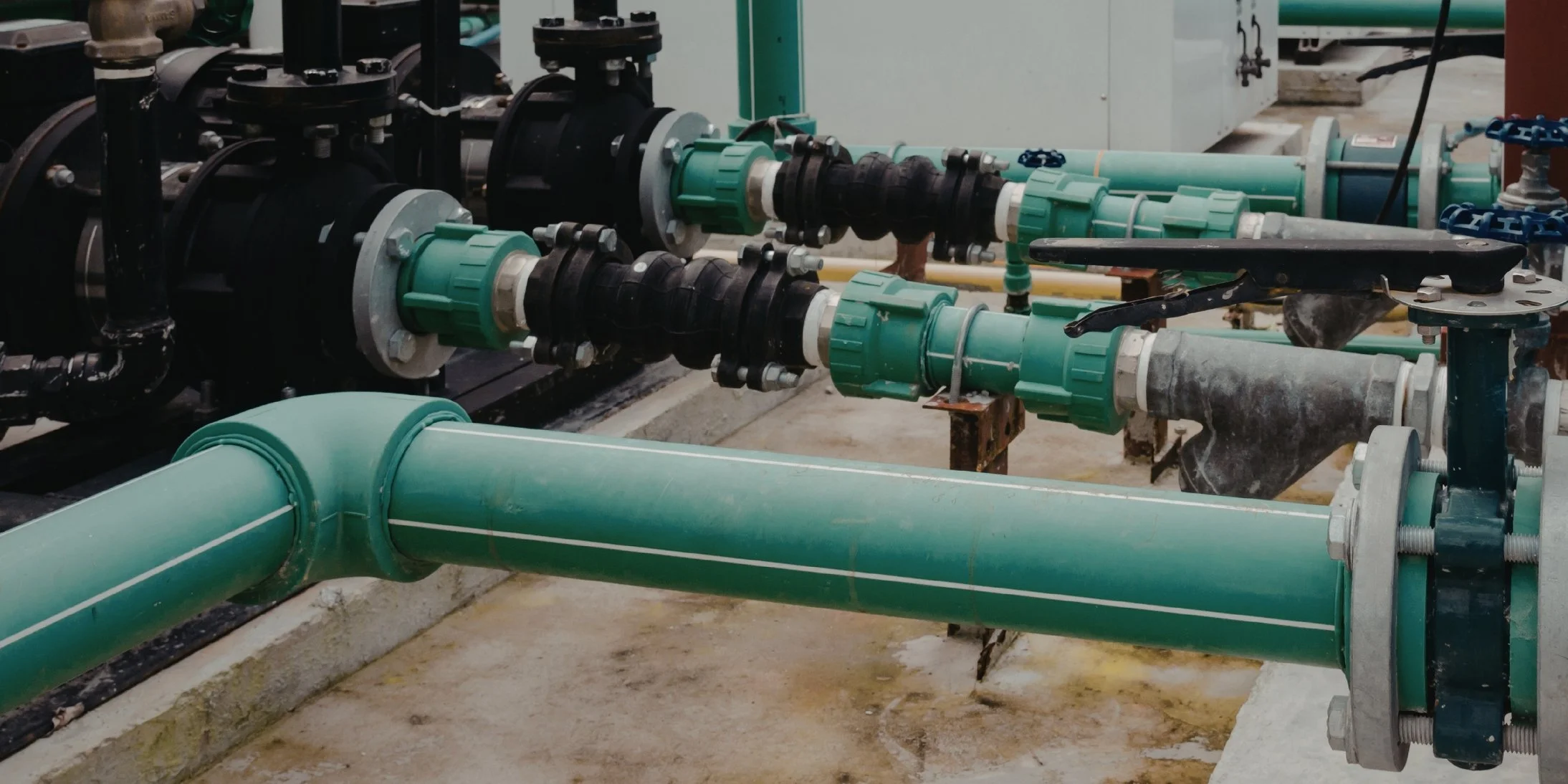
The primary role of a valve is flow control. This can mean fully stopping flow, allowing flow to pass freely, or regulating flow to a precise level. Valves are also used to control pressure, prevent backflow, and direct fluids along different paths within a system.
Some valves operate in simple on/off positions, while others are designed for fine control, adjusting constantly to maintain pressure or temperature. In safety-critical systems, valves act as protection devices, automatically releasing excess pressure to prevent damage or danger.
In short, valves are the decision-makers of fluid systems — deciding when, where, and how fluids move.
HOW DOES A VALVE WORK?
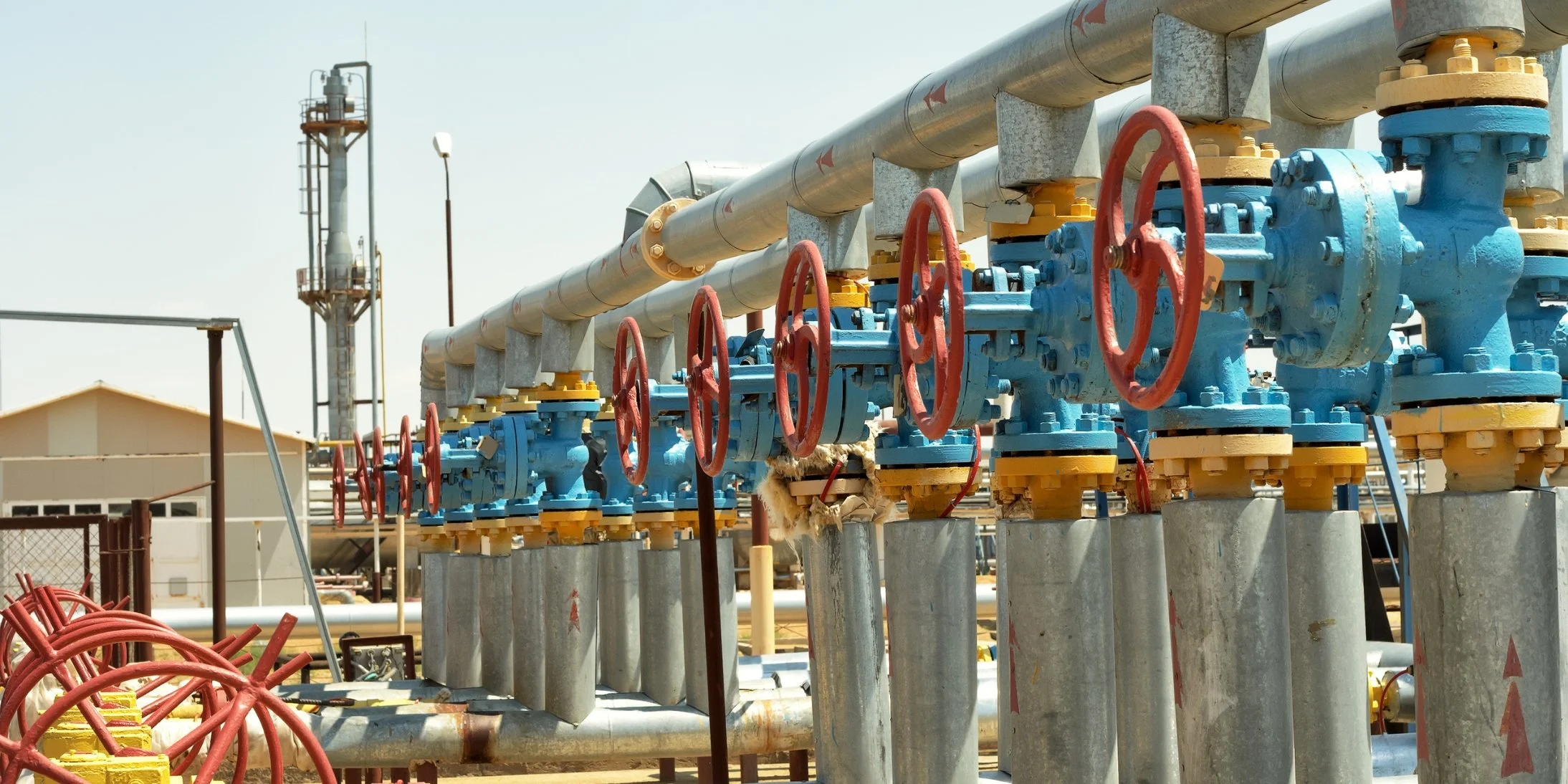
Although designs vary, most valves work using a movable internal component that either blocks or opens a flow path. This could be a ball, disc, gate, plug, or diaphragm. When the valve is actuated — either manually or automatically — this internal component changes position.
Manual valves are typically operated using a handwheel, lever, or gearbox, making them simple and reliable. Automated valves use electric, pneumatic, or hydraulic actuators, allowing them to be controlled remotely or respond automatically to system conditions.
What matters most is sealing. A valve must close securely to prevent leakage, even under pressure, temperature changes, or aggressive media. That’s why valve materials and seat designs are critical to performance and lifespan.
COMMON TYPES OF VALVES
There is no single “best” valve — only the right valve for the job. Some of the most common types include:
Ball valves, known for fast operation and tight shut-off
Butterfly valves, ideal for large pipe diameters and compact installations
Gate valves, used where full, unobstructed flow is required
Globe valves, commonly used for flow regulation
Check valves, which prevent reverse flow automatically
Each design offers different advantages depending on pressure, temperature, media type, and control requirements.
WHY VALVE SELECTION IS IMPORTANT
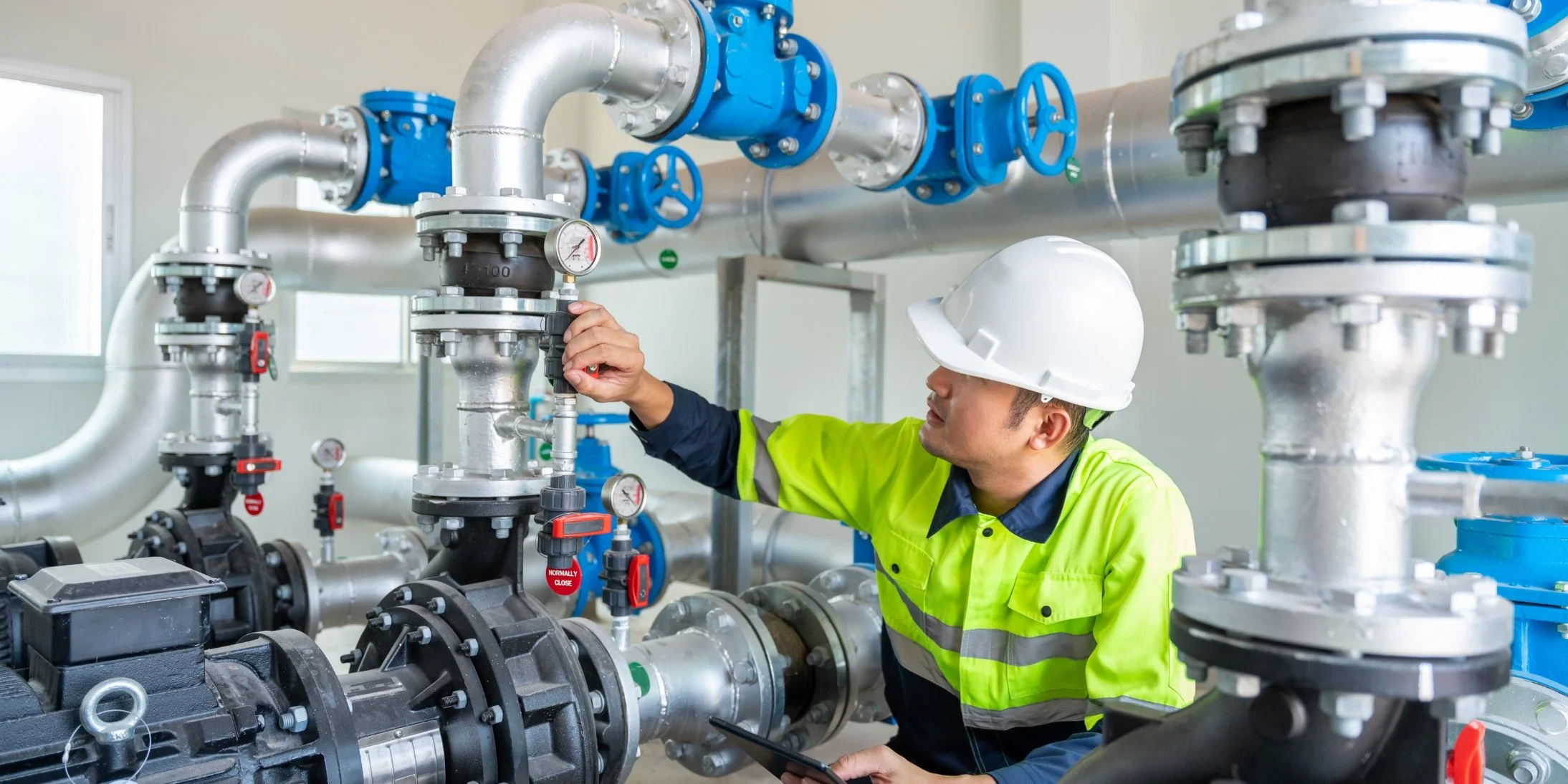
Choosing the wrong valve can lead to leaks, poor control, excessive wear, or even system failure. Factors such as pressure rating, temperature range, fluid type, and operating frequency all influence valve performance.
A well-selected valve improves efficiency, reduces maintenance, and enhances safety. That’s why understanding valve basics is essential — even for beginners. Valves are small components with a massive impact on how systems perform.