Crane Valves: Company Overview, Valve Types & Applications
INTRODUCTION: A HERITAGE BRAND IN INDUSTRIAL VALVES
Crane is one of the most established names in the global valve industry. With a long history supplying reliable, proven valve designs, Crane has become a trusted specification choice for infrastructure, commercial buildings, marine systems, and a wide range of industrial applications.
Rather than chasing trends, Crane’s reputation has been built on durability, consistency, and long-term availability. Engineers and consultants often specify Crane valves where performance must be predictable, documentation is essential, and spares need to be available years after installation.
CRANE’S APPROACH TO VALVE DESIGN
Crane valves are typically engineered with robust construction and conservative design margins, making them well suited to continuous-duty environments. The focus is on dependable shut-off, stable operation, and compatibility with widely recognised standards.
This approach makes Crane particularly popular in large-scale projects, where valves may be installed across entire facilities or networks and must perform uniformly over long service lives. For asset owners, this reduces operational risk and simplifies maintenance planning.
TYPES OF VALVES MANUFACTURED BY CRANE
Crane offers a broad portfolio of industrial valves, covering many common system requirements:
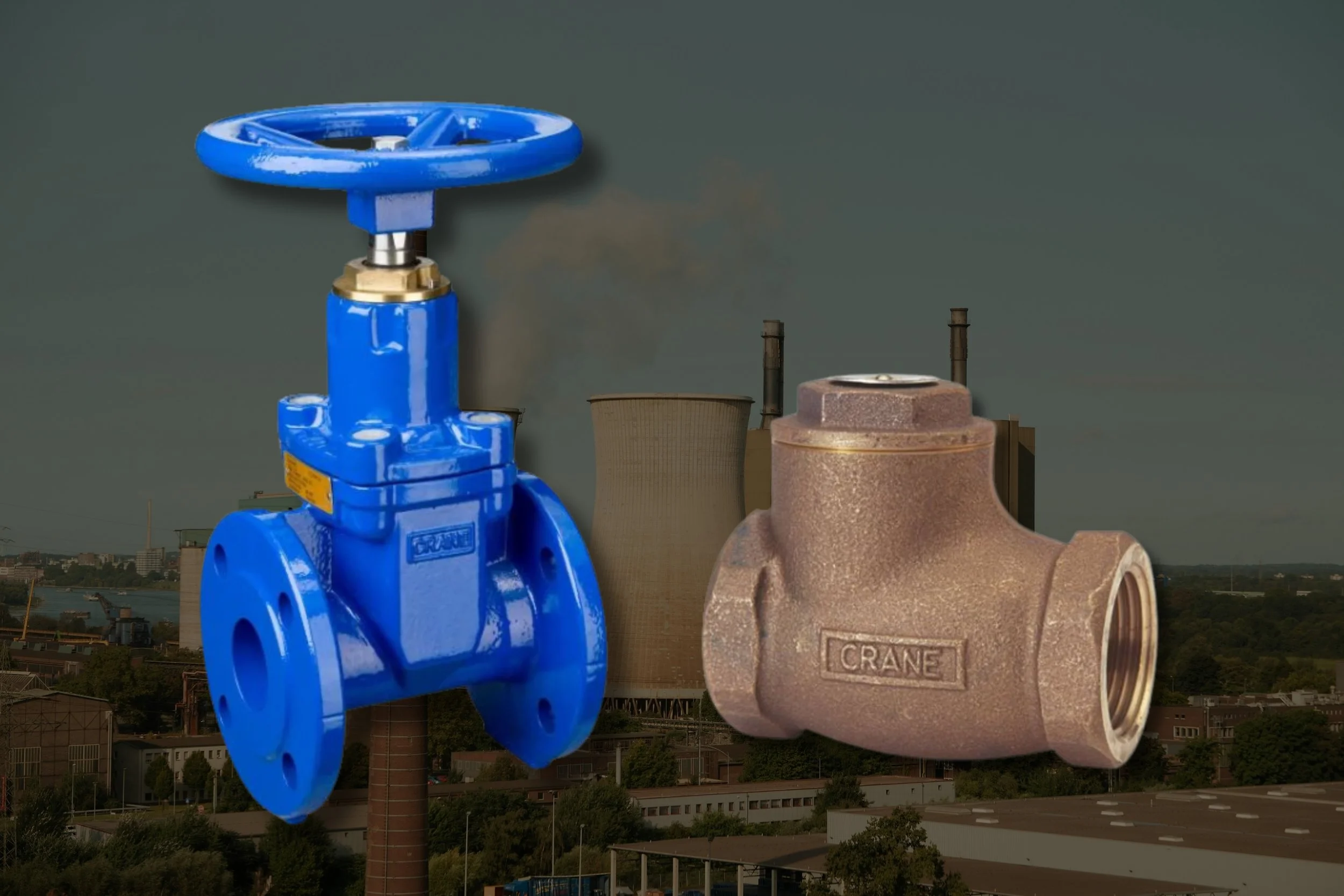
Gate valves – widely used for isolation in water, HVAC, and industrial pipework where full-bore flow is required
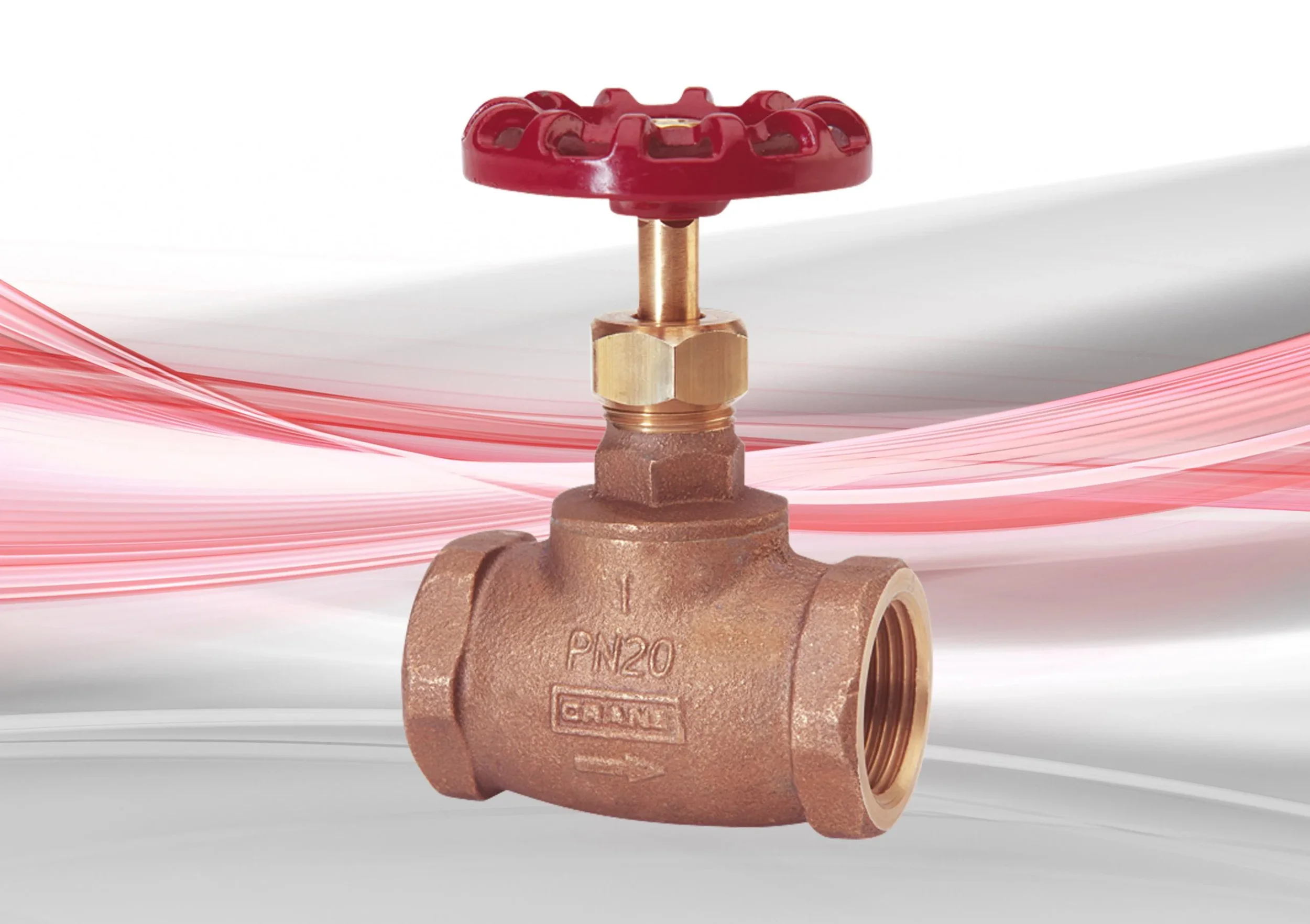
Globe valves – commonly specified for throttling and flow regulation applications
Check valves – used to prevent reverse flow in pumping systems and pipelines
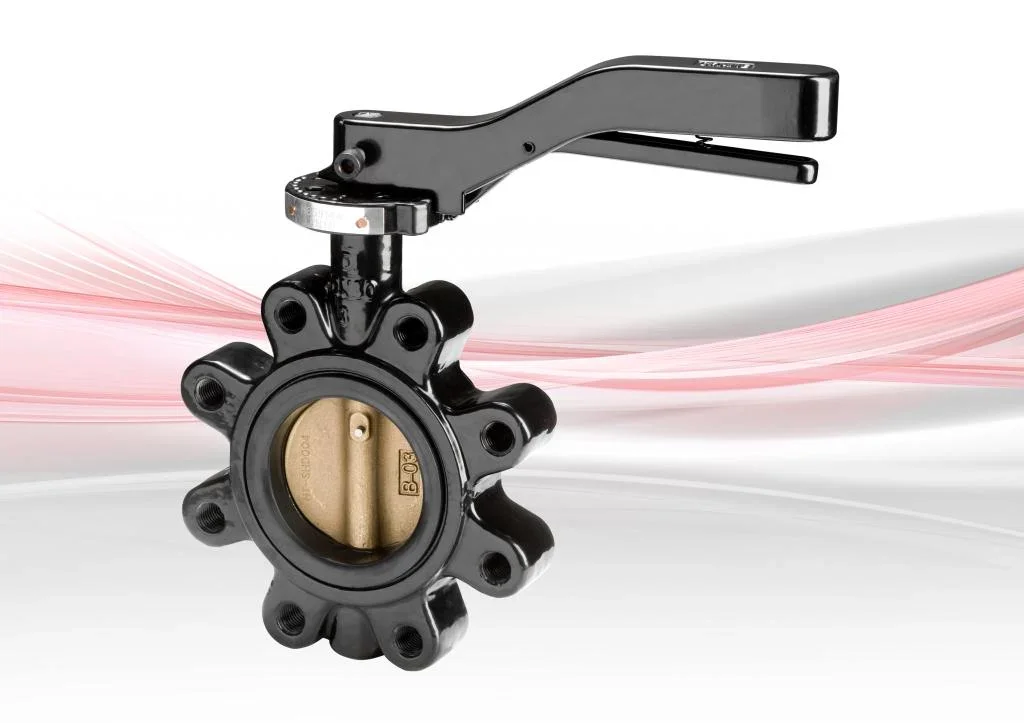
Butterfly valves – popular in HVAC and water systems due to compact size and efficiency
Ball valves – used for reliable on/off service in commercial and industrial installations
These valve types are available in a range of materials and pressure classes to suit different operating conditions.
KEY APPLICATIONS AND MARKETS

Crane valves are widely used across multiple sectors:
In water and wastewater, Crane valves are often specified for treatment plants, pumping stations, and distribution networks due to their proven performance and long service life.
In HVAC systems, Crane valves are commonly found in commercial buildings, hospitals, and large facilities, where reliability, balancing, and isolation are critical to system efficiency.
In marine and offshore environments, Crane’s durable valve designs are used where corrosion resistance and mechanical strength are essential.
In industrial processing, Crane valves support general process duties where dependable isolation and flow control are required.
WHY CRANE IS OFTEN SPECIFIED
Crane’s strength lies in predictability and trust. Engineers know what they are getting: valves that meet recognised standards, perform consistently, and are supported by long-term product availability.
For infrastructure and commercial projects with long design lives, this reliability is often more important than cutting-edge innovation. Crane valves are frequently chosen not because they are the most complex, but because they are known to work, year after year.
CONCLUSION: A SAFE SPECIFICATION CHOICE
Crane has earned its position as a respected valve manufacturer by delivering dependable solutions across decades of service. With a wide valve portfolio and strong presence in water, HVAC, marine, and industrial markets, Crane remains a go-to brand for projects where longevity, compliance, and proven design matter most.