Kinetrol Actuators Explained: Precise Pneumatic Control
INTRODUCTION: WHO ARE KINETROL?
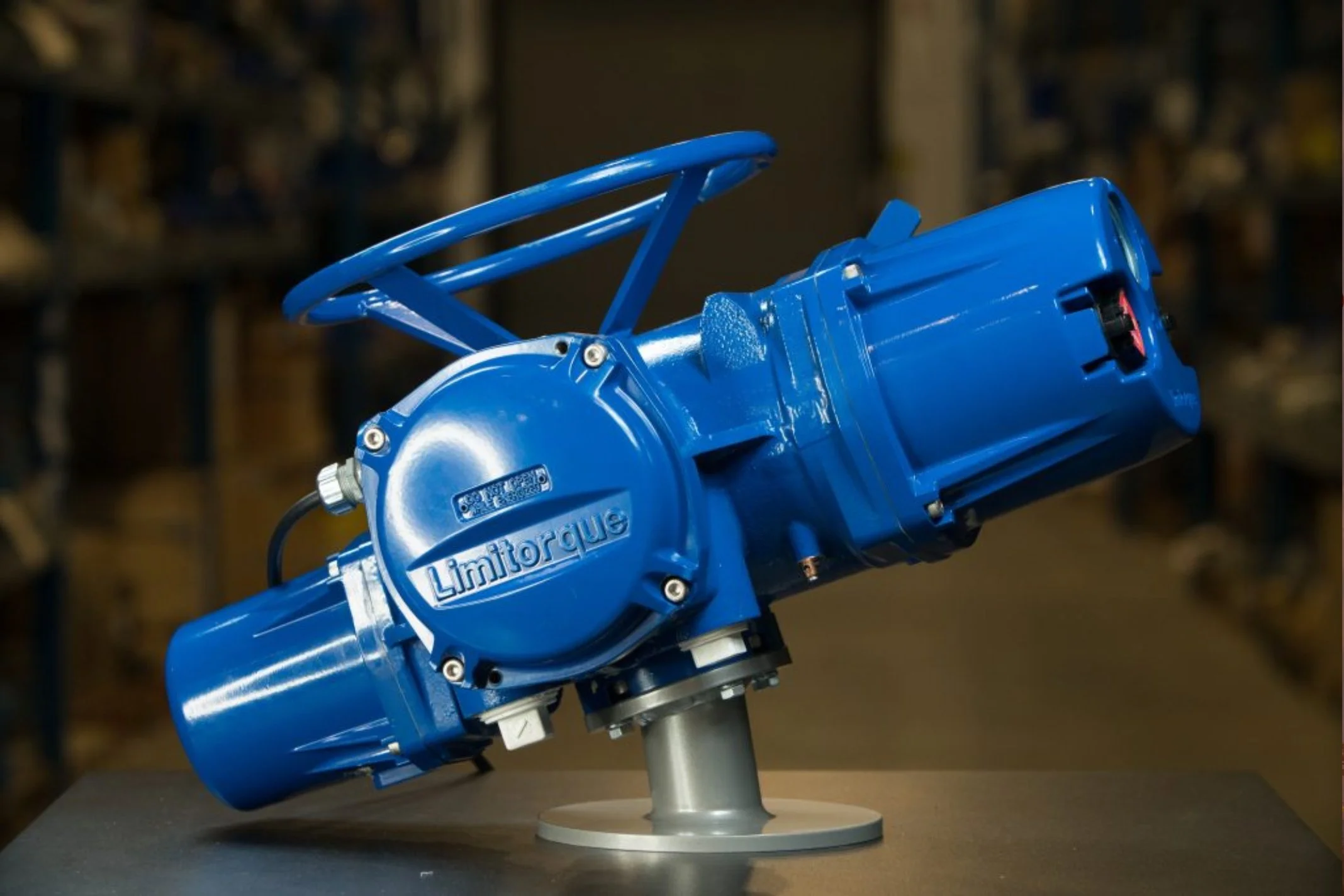
Kinetrol is a well-known actuator manufacturer recognised for its vane-type pneumatic actuators, a design that differs fundamentally from traditional rack & pinion or scotch yoke mechanisms. This unique approach allows Kinetrol actuators to deliver exceptionally smooth, controlled movement with minimal internal wear.
Kinetrol actuators are widely specified in applications where precision, modulation, and repeatability matter more than brute torque. As a result, they are commonly found in control and process environments rather than simple on/off isolation duties.
VANE-TYPE ACTUATOR DESIGN EXPLAINED
Unlike rack & pinion actuators that convert linear motion into rotation, Kinetrol actuators use a sealed vane rotating within a cylindrical chamber. Air pressure applied to either side of the vane produces smooth rotational movement.
This design offers several advantages:
• Continuous torque across the full stroke
• No sliding metal-to-metal contact, reducing wear
• Very low backlash, improving control accuracy
• Fewer moving parts, simplifying maintenance
The result is an actuator that excels in applications requiring controlled, stable valve positioning.
SMOOTH MOVEMENT AND MODULATING CONTROL
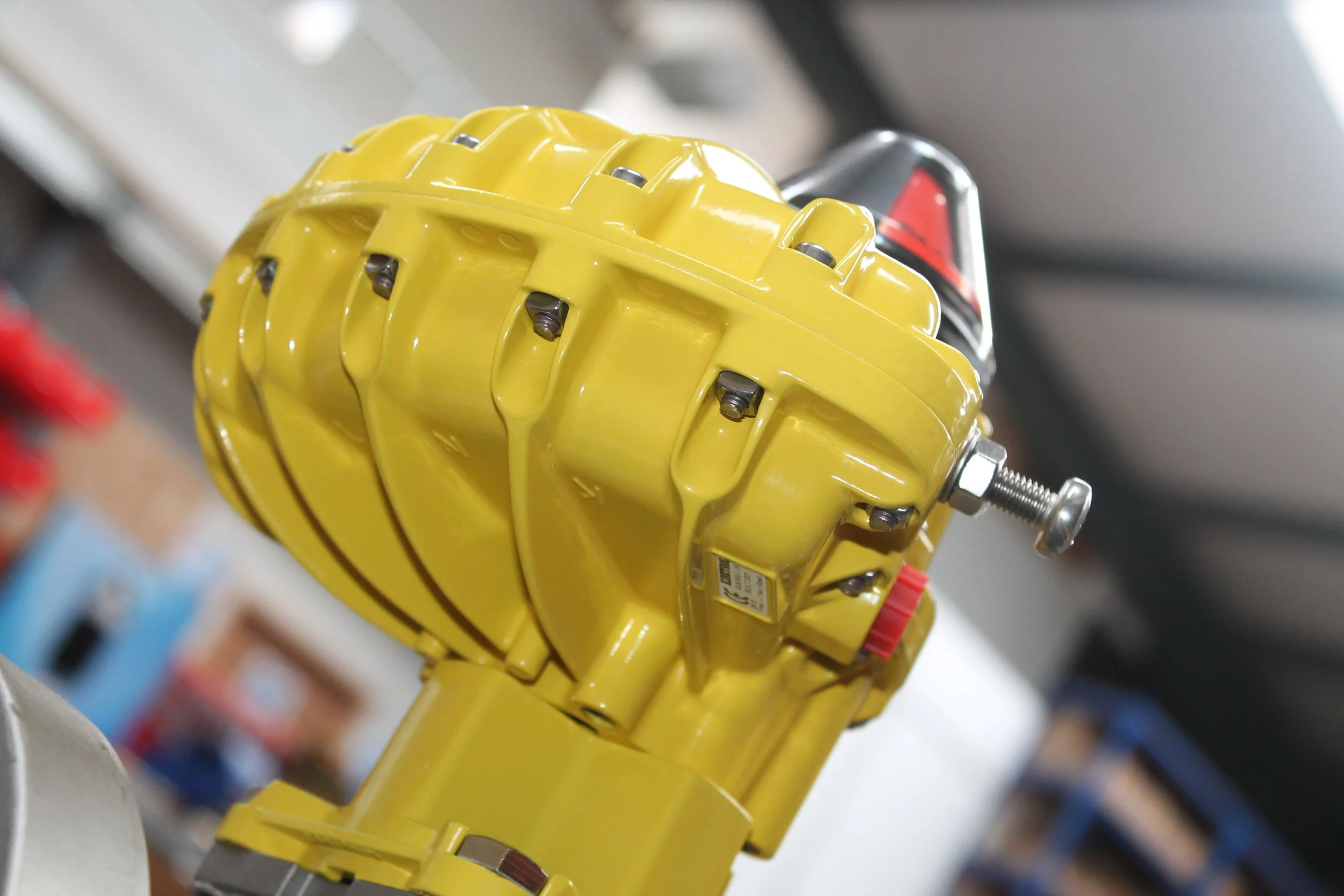
One of the main reasons engineers choose Kinetrol is its ability to deliver exceptionally smooth modulation. Sudden movement, overshoot, and hunting are common problems in control systems — particularly with poorly matched actuators.
Kinetrol’s vane design provides progressive, damped movement, making it ideal for control valves, dampers, and modulating butterfly or ball valves. This smooth response improves process stability and extends valve service life.
In applications where fine control matters, actuator behaviour is just as important as torque output.
LOW MAINTENANCE AND LONG SERVICE LIFE
Kinetrol actuators are designed with simplicity and durability at their core. With fewer mechanical components than many traditional pneumatic actuators, there are fewer wear points and failure modes.
Key maintenance benefits include:
• No gears, racks, or pistons to wear
• Sealed internal design protecting against contamination
• Long service intervals even in continuous operation
This makes Kinetrol actuators particularly attractive in systems where downtime must be kept to an absolute minimum.
TYPICAL APPLICATIONS AND INDUSTRIES

Kinetrol actuators are frequently used in:
• Process control systems
• Modulating valve applications
• HVAC control and dampers
• Water treatment and flow regulation
• Chemical and pharmaceutical processes
They are especially suited to environments where precise positioning, repeatable performance, and smooth operation are critical.
WHY ENGINEERS SPECIFY KINETROL
Kinetrol actuators are not designed to compete on size alone or extreme torque output. Instead, they focus on control quality, reliability, and consistency. For applications where accurate modulation and long-term stability are required, the vane-type design offers clear advantages over more conventional actuator styles.
For many control engineers, Kinetrol remains the benchmark for smooth pneumatic actuation.