Manual vs Automated Valves – What’s the Difference?
INTRODUCTION: TWO WAYS TO CONTROL FLOW
When it comes to controlling flow in a piping system, valves generally fall into two categories: manual valves and automated valves. Both serve the same fundamental purpose — controlling the movement of liquids, gases, or steam — but they do so in very different ways.
For beginners, the difference can seem simple on the surface, yet the implications for safety, efficiency, cost, and control are huge. Choosing between manual and automated valves often shapes how an entire system operates.
This guide explains how each type works, where they’re used, and why one may be better suited than the other.
WHAT ARE MANUAL VALVES?
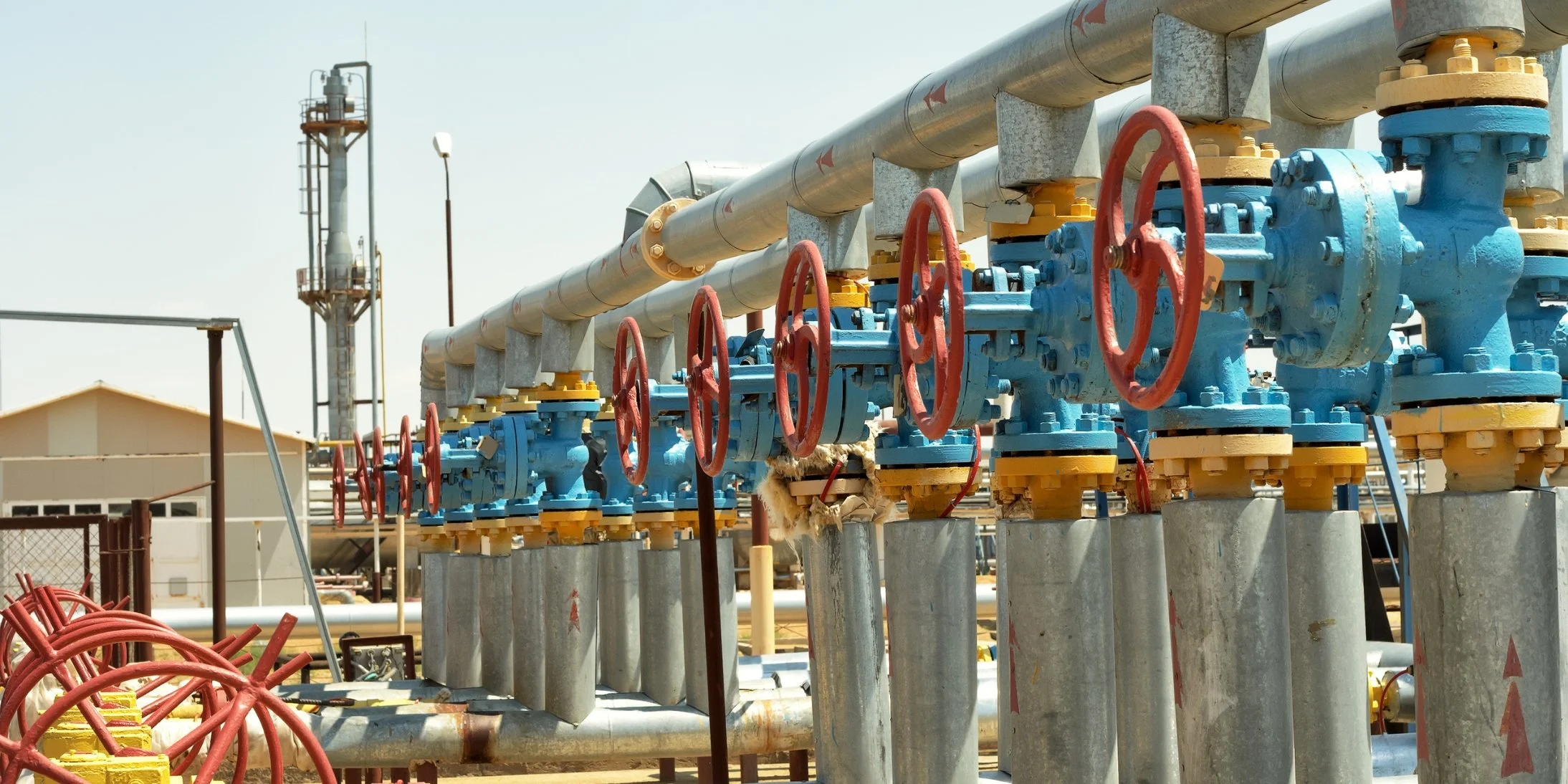
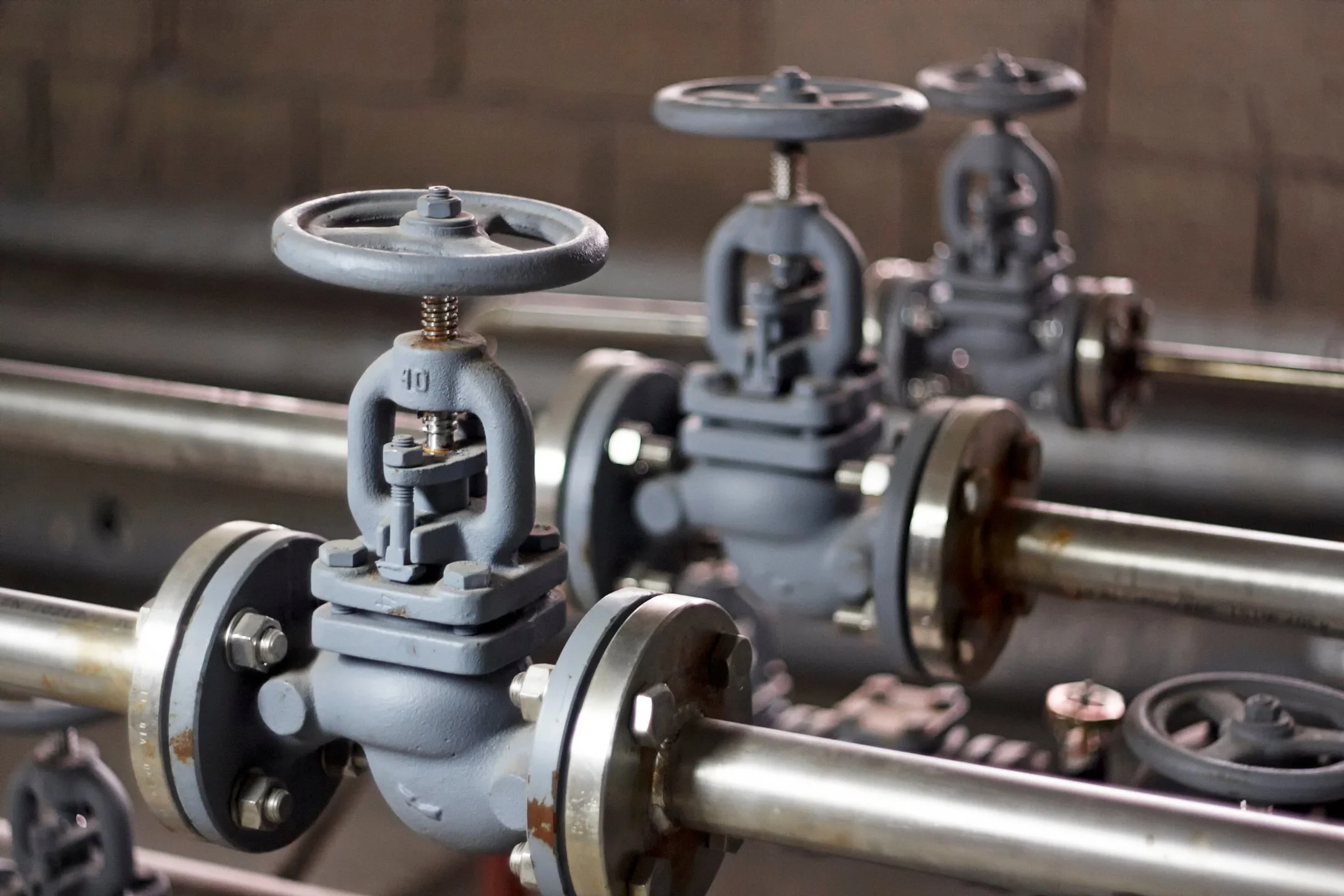
Manual valves are operated directly by a person. This is typically done using a handwheel, lever, or gearbox attached to the valve stem. When the operator turns or moves the handle, the internal valve component opens or closes to control flow.
These valves are widely used because they’re simple, reliable, and cost-effective. There’s no need for power, control signals, or additional equipment. If a system only needs occasional operation, manual valves often make perfect sense.
However, manual valves rely entirely on human intervention. This means they can’t respond automatically to changes in pressure, temperature, or flow, and they can’t be operated remotely. In large plants or hazardous areas, this limitation becomes significant.
WHAT ARE AUTOMATED VALVES?
Automated valves use an actuator to open and close the valve without human input at the valve itself. The actuator may be electric, pneumatic, or hydraulic, depending on the application.
Instead of a person turning a handle, the valve responds to control signals from a system, such as a PLC, control panel, or sensor. This allows valves to operate automatically based on system conditions or remote commands.
The biggest advantage of automation is control. Automated valves improve safety, consistency, and response time, especially in systems that operate continuously or under changing conditions. They are essential in modern process industries where precision and uptime matter.
KEY DIFFERENCES AT A GLANCE
The main difference comes down to human control versus system control.
Manual valves:
• Require physical operation
• Lower upfront cost
• Simple installation
• Limited to on-site control
Automated valves:
• Operate remotely or automatically
• Higher initial investment
• Require power or air supply
• Enable advanced process control
While manual valves are ideal for basic isolation, automated valves are critical for efficiency, scalability, and safety in complex systems.
WHICH ONE SHOULD YOU USE?
There’s no universal answer — it depends entirely on the application. Manual valves are often used in low-risk, low-frequency operations, while automated valves dominate in industrial processes, hazardous areas, and systems requiring precise control.
In many installations, both types work together. Manual valves may provide isolation and maintenance control, while automated valves handle day-to-day operation. Understanding the difference helps ensure the right level of control without unnecessary complexity or cost.