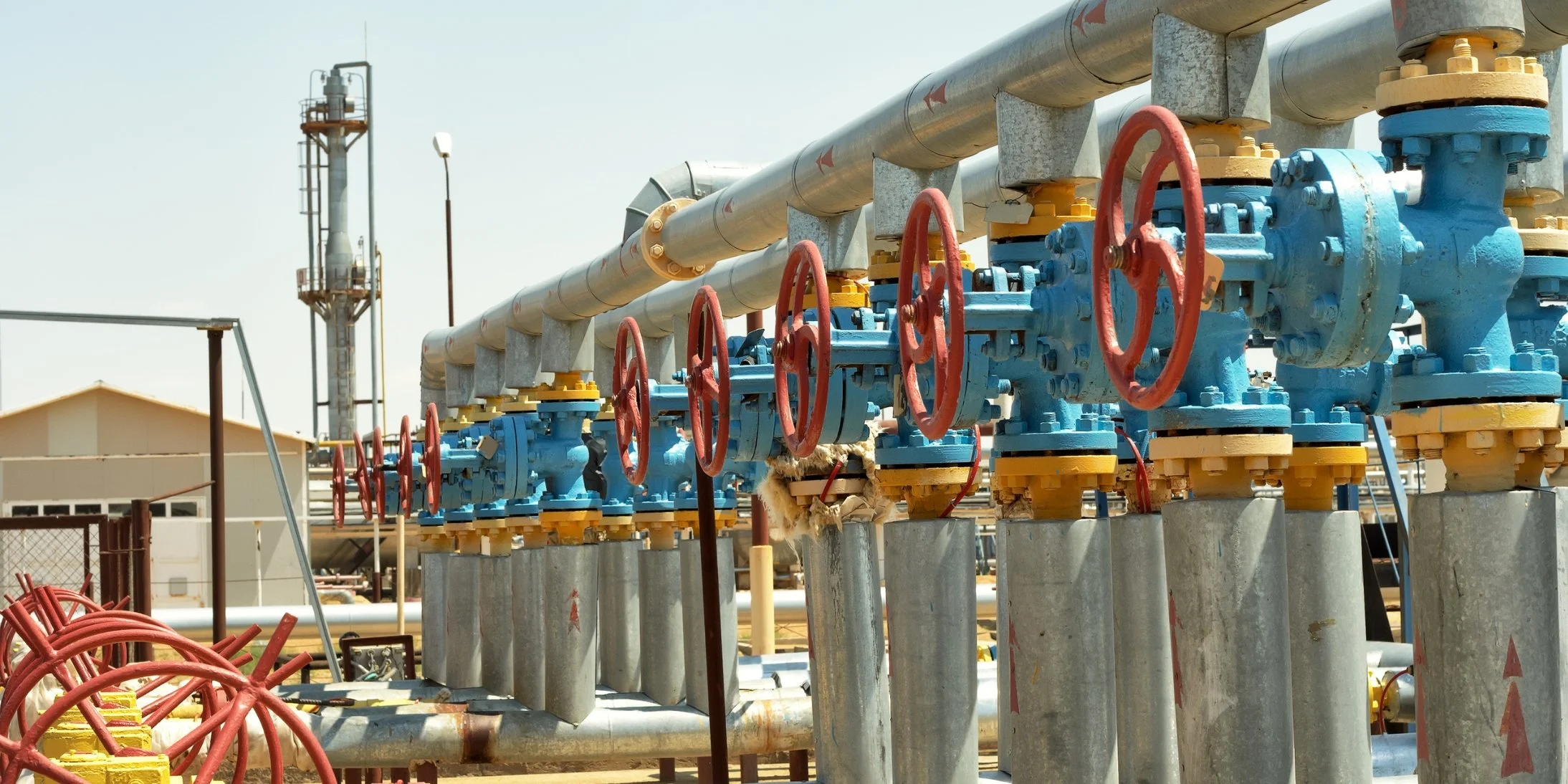
On/Off Valves vs Control Valves Explained
INTRODUCTION: TWO VALVES, VERY DIFFERENT JOBS
When people first learn about valves, one of the most common points of confusion is the difference between on/off valves and control valves. They may look similar from the outside, but they are designed for very different purposes. Understanding this distinction is essential because using the wrong type can lead to poor performance, higher maintenance costs, or even system failure.
At a high level, on/off valves are designed to either allow flow or stop it completely. Control valves, on the other hand, are designed to continuously regulate flow, pressure, or temperature. That single difference shapes how they are built, how they operate, and where they should be used.
WHAT ARE ON/OFF VALVES?
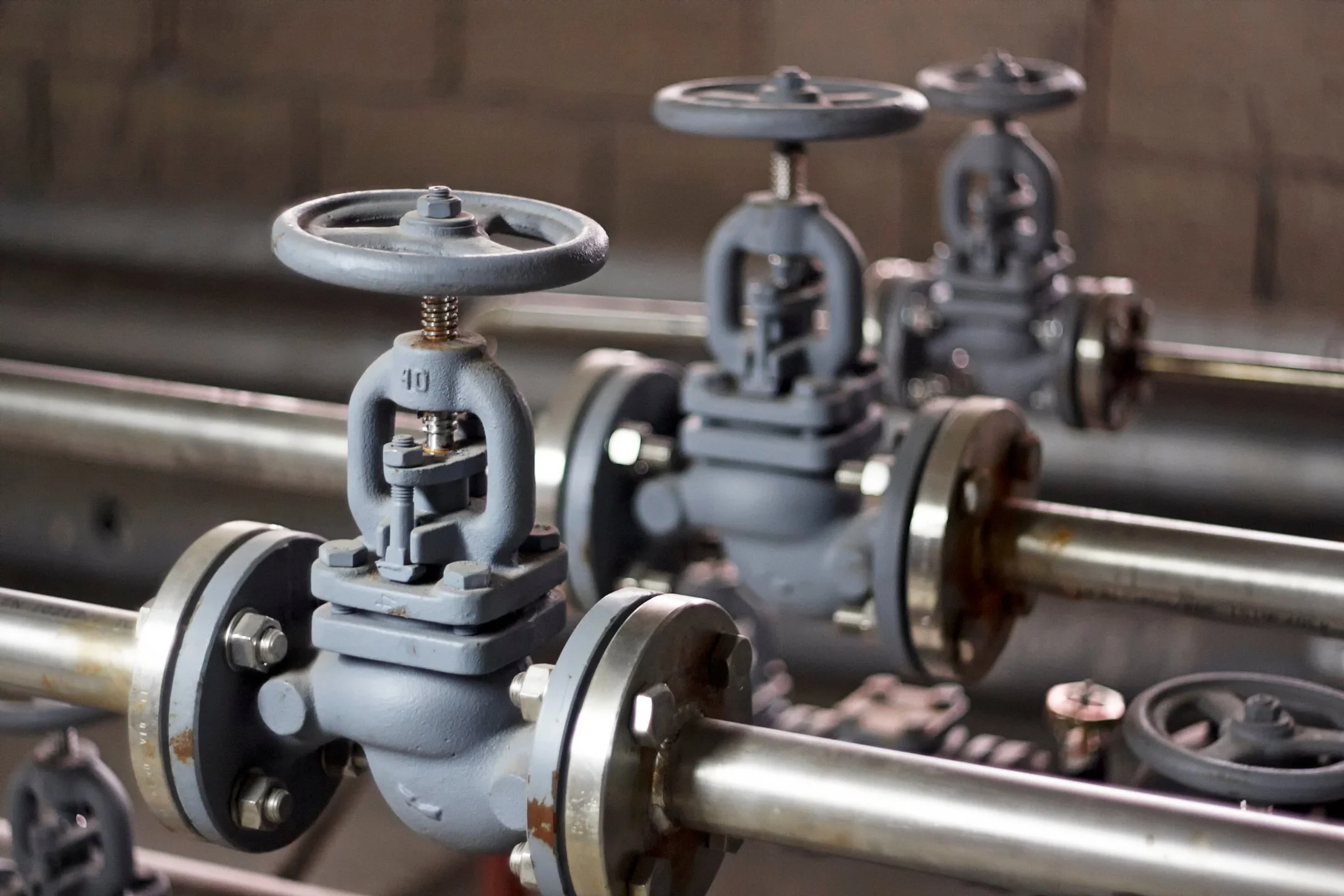
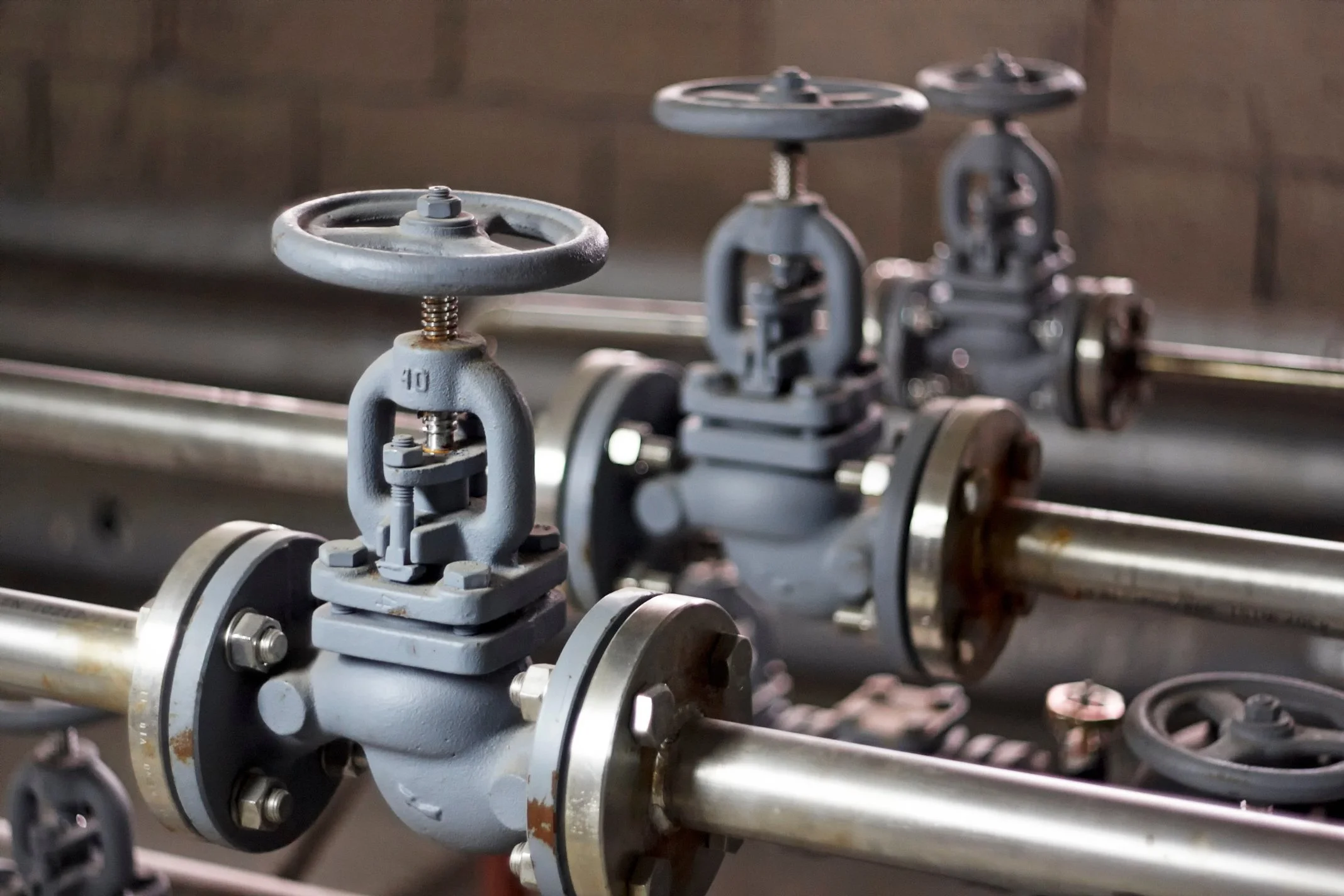
On/off valves are the simplest and most common type of valve found in industrial systems. Their role is straightforward: fully open or fully closed. They are not designed to sit halfway open for long periods or to finely adjust flow.
These valves are typically used for isolation, meaning they separate sections of a system for maintenance, safety, or operational control. Common examples include ball valves, gate valves, and butterfly valves used in basic shut-off applications.
Because they only operate in two positions, on/off valves are generally robust, cost-effective, and easy to maintain. They also offer fast operation and tight shut-off, which makes them ideal where quick flow interruption is required.
WHAT ARE CONTROL VALVES?
Control valves are designed for precision. Instead of simply opening or closing, they continuously adjust their position to maintain a desired process condition such as flow rate, pressure, or temperature.
These valves work as part of a control loop, receiving signals from a controller and responding in real time. Small movements of the valve trim result in measurable changes in flow, allowing accurate and stable control.
Globe valves are the most common control valve type, but rotary designs such as segmented ball valves and control butterfly valves are also widely used. Control valves are typically paired with positioners and actuators to ensure accurate and repeatable performance.
KEY DIFFERENCES IN DESIGN AND OPERATION
The internal design of an on/off valve prioritises sealing and durability. When closed, it must stop flow completely. When open, it should allow flow with minimal restriction. Precision is not the goal.
Control valves are built around control accuracy. Their internal components are shaped to allow predictable flow characteristics, enabling smooth modulation rather than abrupt changes. This makes them more complex, more sensitive, and generally more expensive than on/off valves.
Another key difference is wear. Using an on/off valve in a throttling position causes turbulence and erosion, dramatically shortening its lifespan. Control valves are designed specifically to handle this kind of operation.
WHICH ONE SHOULD YOU USE?
The choice comes down to function. If you only need to start or stop flow, an on/off valve is the correct and efficient solution. If you need to regulate flow, pressure, or temperature continuously, a control valve is essential.
In many systems, both types are used together. On/off valves provide isolation, while control valves manage the process itself. Understanding their roles ensures reliable operation, better efficiency, and longer equipment life.