How Industrial Valves Work (Simple Mechanical Principles)
INTRODUCTION: THE MECHANICS BEHIND FLOW CONTROL
Industrial valves may look complex from the outside, but at their core, they rely on simple mechanical principles that have been used for centuries. Every valve, no matter how advanced, exists for one reason: to control the movement of a fluid. That fluid might be water, steam, gas, oil, or chemicals, but the fundamentals remain the same.
Understanding how industrial valves work doesn’t require engineering-level knowledge. Once you grasp the basic mechanics — blocking, opening, sealing, and regulating — everything else starts to make sense. This guide explains valve operation clearly, using plain language and real-world logic.
THE BASIC PRINCIPLE: OPEN, CLOSE, OR RESTRICT
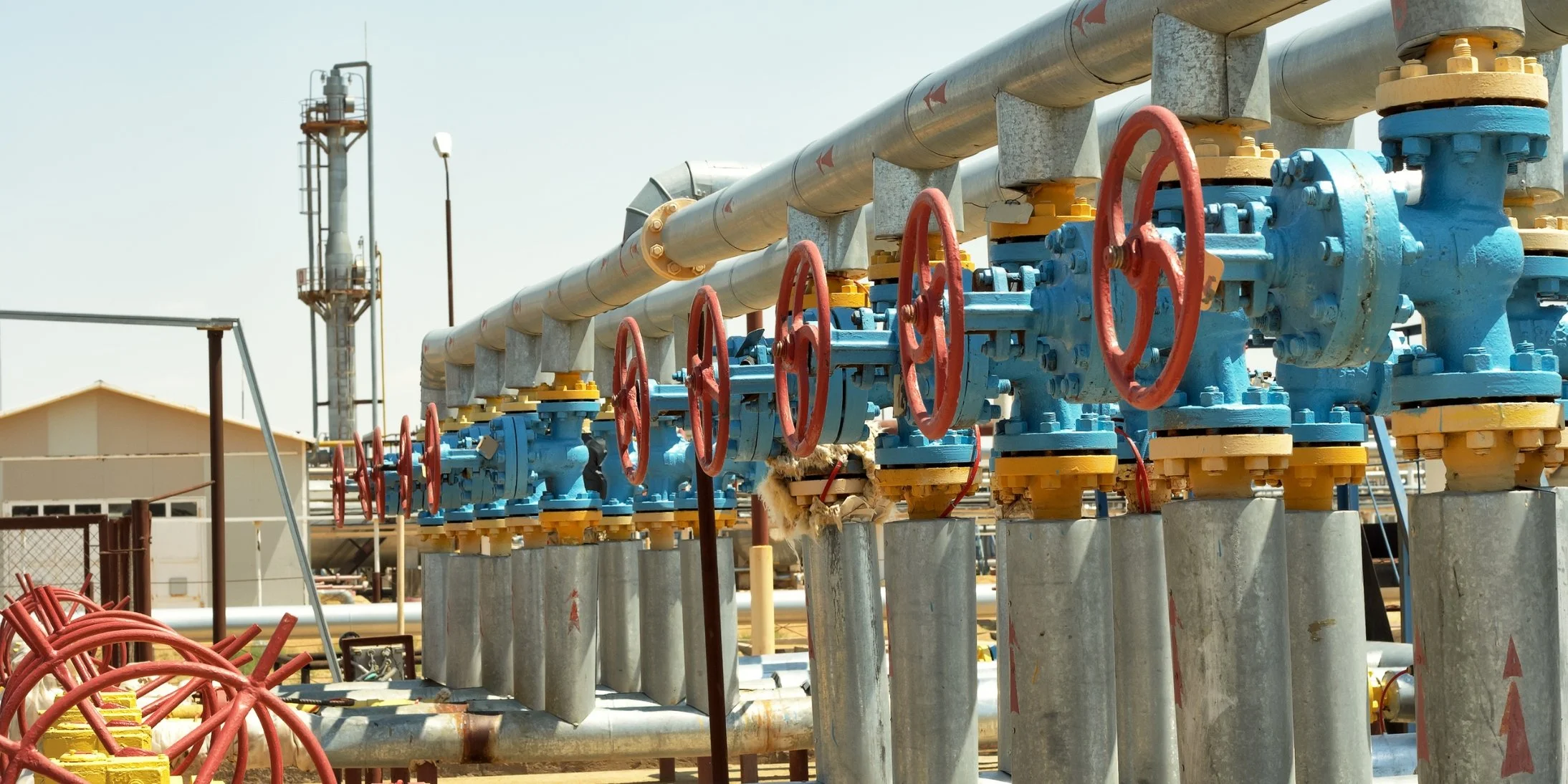
At the most basic level, a valve controls flow by placing an obstruction in a pipeline. When the obstruction is removed or repositioned, fluid flows. When it blocks the passage, flow stops.
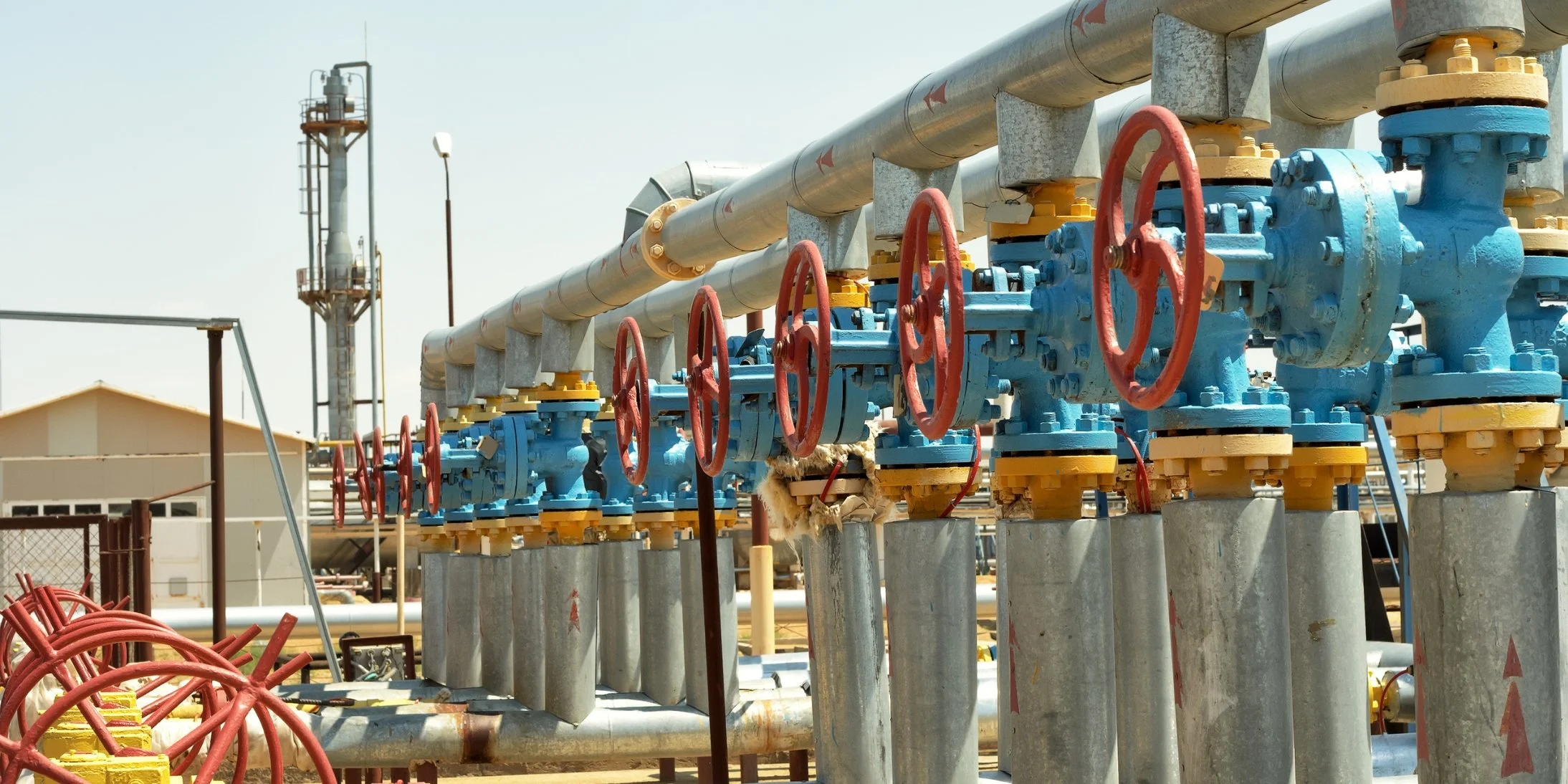
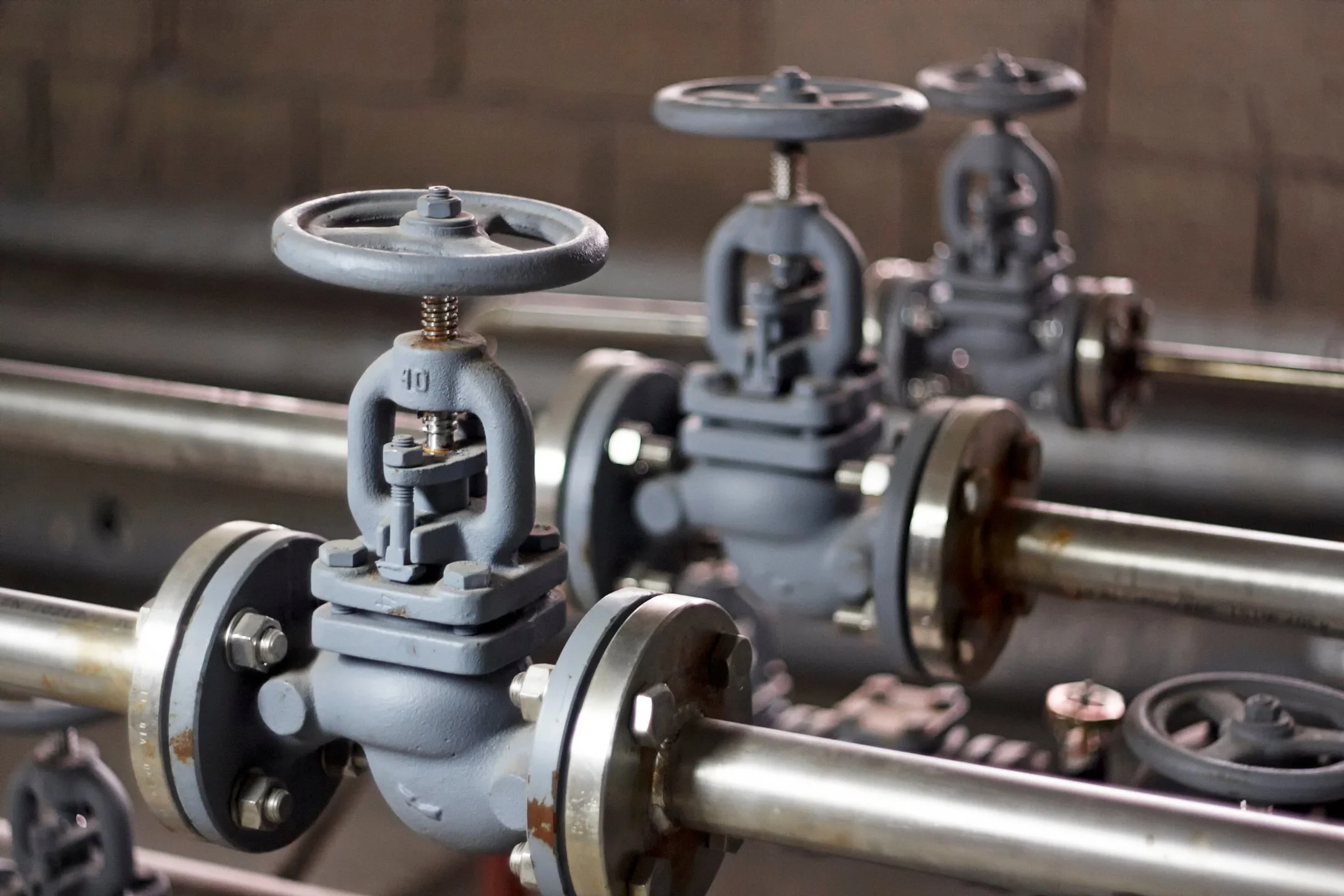
This obstruction is known as the closure element, and it can take many forms — a ball, disc, gate, plug, or diaphragm. The position of this internal component determines whether the valve is open, closed, or partially open.
Most industrial valves work by moving this closure element linearly (up and down) or rotationally (turning). The simplicity of this movement is what makes valves reliable, even in harsh industrial environments.
SEALING: HOW VALVES STOP LEAKS
Stopping flow is only useful if the valve can seal properly. Sealing is one of the most critical mechanical functions of any valve. When a valve closes, the closure element presses against a seat, creating a tight seal that prevents fluid from passing through.
Soft seals, such as rubber or PTFE, deform slightly to create a tight shut-off. Metal-to-metal seals rely on precision machining and contact pressure. Each approach has advantages depending on temperature, pressure, and media.
Without effective sealing, valves would leak, waste energy, and create safety risks. A valve’s performance is only as good as its seal.
HOW VALVES ARE OPERATED
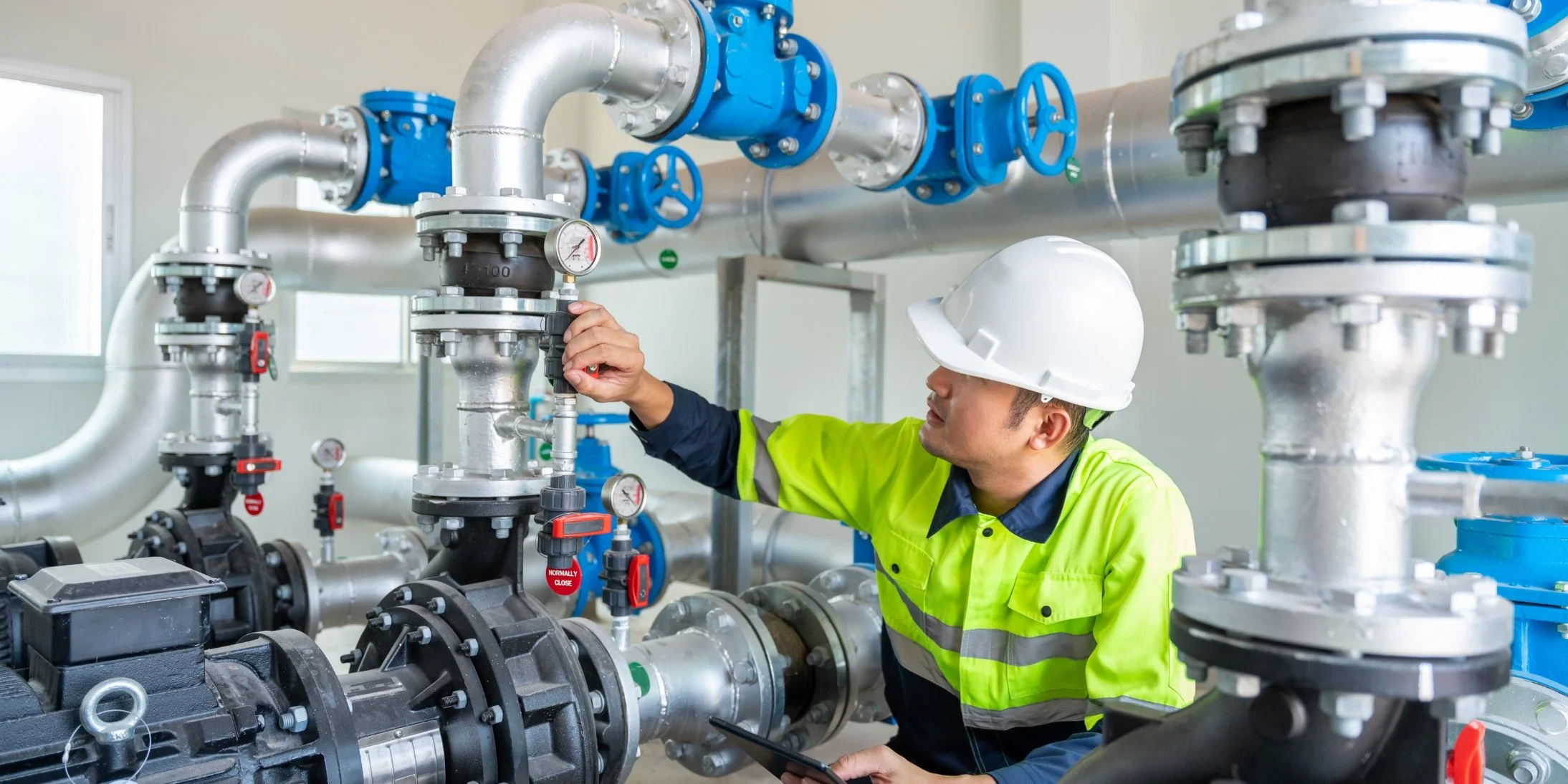
Valves don’t move on their own — they must be actuated. This can be done manually or automatically.
Manual operation uses handwheels, levers, or gearboxes, converting human force into controlled movement. Automatic operation uses actuators that convert electrical signals, air pressure, or hydraulic force into motion.
Regardless of how a valve is operated, the mechanical outcome is the same: the internal component moves to change flow conditions.
FLOW PATH & CONTROL
Not all valves simply turn flow on or off. Some are designed to shape and control how fluid moves through them. The internal geometry of a valve influences turbulence, pressure drop, and responsiveness.
For example, straight-through designs allow unrestricted flow, while contoured paths enable precise regulation. This is why certain valves are used for isolation and others for control. The internal flow path defines how a valve behaves in service.
WHY SIMPLE MECHANICS MATTER
Despite automation and smart controls, valves still depend on basic mechanical actions. Gravity, pressure, friction, and force all play a role. Understanding these fundamentals helps explain why certain valves last longer, perform better, or fail under specific conditions.
In industrial systems, reliability comes from simplicity. Valves succeed because their mechanical principles are straightforward, proven, and dependable.