Valve Anatomy Explained: Body, Seat, Stem, Disc & Bonnet
INTRODUCTION: WHY VALVE ANATOMY MATTERS
Before you can choose, install, or troubleshoot a valve, you need to understand what’s happening inside it. While valves come in many shapes and sizes, most industrial valves are built from the same core components. Each part plays a specific role in controlling flow, maintaining pressure, and ensuring safe operation.
Understanding valve anatomy helps you spot why a valve might leak, stick, wear prematurely, or fail entirely. For beginners, learning these components early makes every other valve topic easier to grasp.
THE VALVE BODY: THE FOUNDATION
The valve body is the main pressure-containing shell of the valve. It forms the passageway through which the fluid flows and holds all other components together. In many ways, the body defines what the valve is capable of handling.
Valve bodies are manufactured from materials such as carbon steel, stainless steel, bronze, cast iron, and exotic alloys. The material choice determines pressure rating, temperature capability, corrosion resistance, and overall lifespan.
Body design also affects flow characteristics. Some bodies allow straight-through flow with minimal restriction, while others intentionally change direction to control velocity and pressure.
THE SEAT: WHERE SEALING HAPPENS
The valve seat is the surface that forms a seal when the valve closes. When the disc presses against the seat, flow stops. This is one of the most critical areas in any valve because even minor damage can lead to leakage.
Seats can be soft (such as PTFE or elastomers) or metal. Soft seats offer excellent shut-off, while metal seats are better suited for high temperatures, abrasive media, or severe service conditions.
In many valves, seats are replaceable, allowing maintenance without changing the entire valve — a major cost-saving advantage.
THE DISC (OR CLOSURE ELEMENT): FLOW CONTROL
The disc is the internal component that physically opens or closes the flow path. Depending on the valve type, this could be a ball, gate, plug, butterfly disc, or diaphragm.
Its movement determines how the valve behaves. Some discs rotate, others lift or slide. The disc shape directly affects flow control, pressure drop, and wear. In control valves, disc design is especially important for achieving accurate and repeatable regulation.
THE STEM: TRANSMITTING MOVEMENT
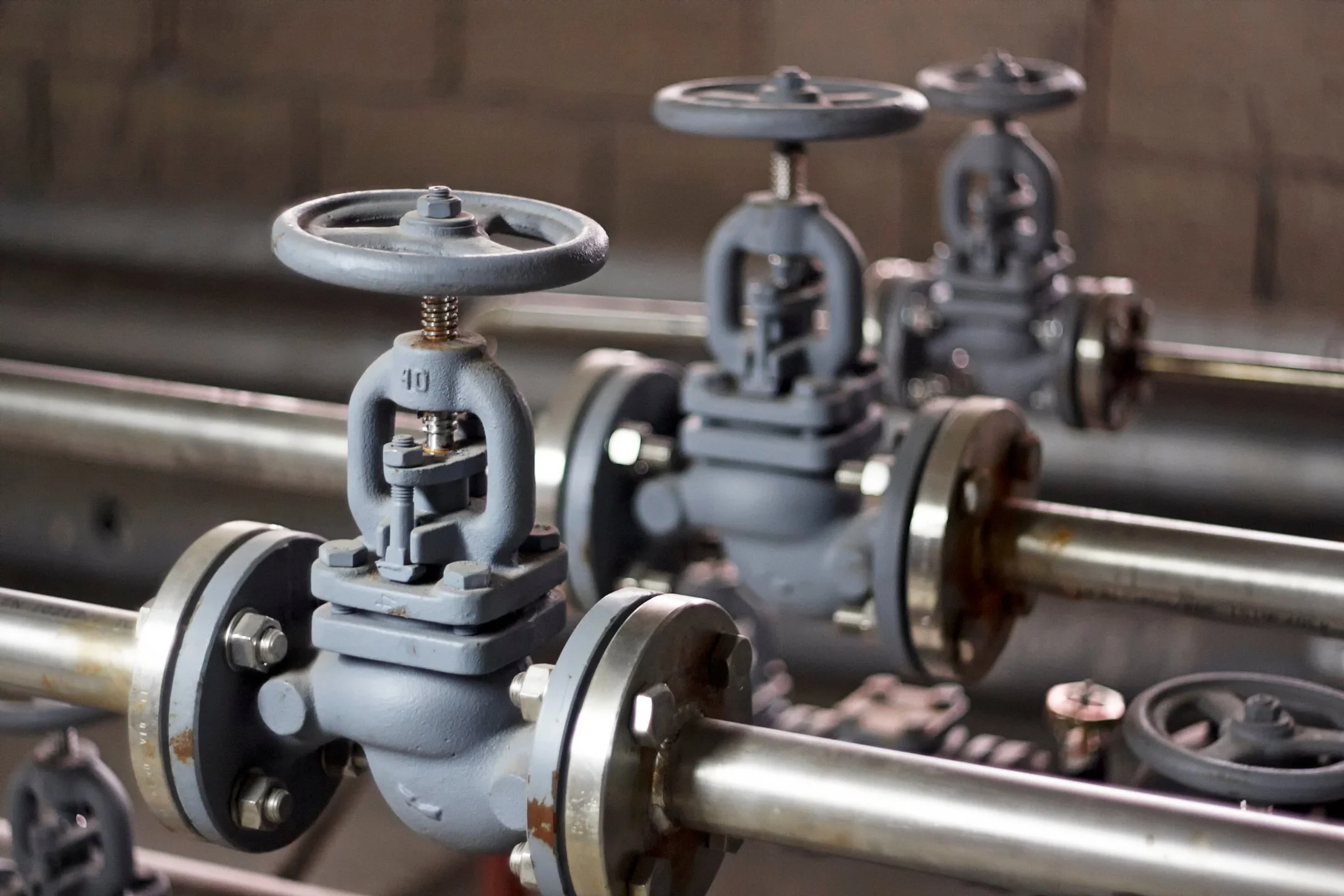
The valve stem connects the actuator or handle to the internal disc. When you turn a handwheel or energise an actuator, the stem transfers that motion to open or close the valve.
Stems must withstand mechanical loads, vibration, and repeated cycling. They also pass through the valve body, so sealing around the stem is critical. Poor stem sealing is one of the most common causes of external valve leakage.
Stem designs vary between rising and non-rising types, depending on whether visible position indication is required.
THE BONNET: ACCESS AND PROTECTION
The bonnet sits on top of the valve body and encloses the stem and sealing components. It provides access for maintenance and helps contain system pressure.
Bonnet design affects pressure rating and serviceability. Bolted bonnets allow easy inspection, while welded bonnets offer superior sealing for high-pressure or high-temperature applications. The bonnet is essential for both safety and maintenance access.
WHY EVERY PART MATTERS
Each valve component works as part of a system. If one element is poorly designed or mismatched to the application, the entire valve suffers. Understanding valve anatomy allows better selection, safer operation, and longer service life.
For beginners, mastering these fundamentals makes it far easier to move on to valve types, standards, and application-based selection.