IMI Critical Engineering Expands Severe Service Valve Solutions for Energy Infrastructure

IMI Critical Engineering continues to strengthen its position in the global flow control market with the expansion of its severe service valve solutions, targeting some of the most demanding applications across energy infrastructure. As industries push toward higher efficiency, lower emissions, and more complex operating conditions, the need for valves that can withstand extreme pressure, temperature, and erosion has never been greater.
This latest development reflects a broader industry shift, where valve performance is no longer just about isolation or control — it’s about reliability under the harshest possible conditions.
ADDRESSING THE DEMANDS OF MODERN ENERGY SYSTEMS
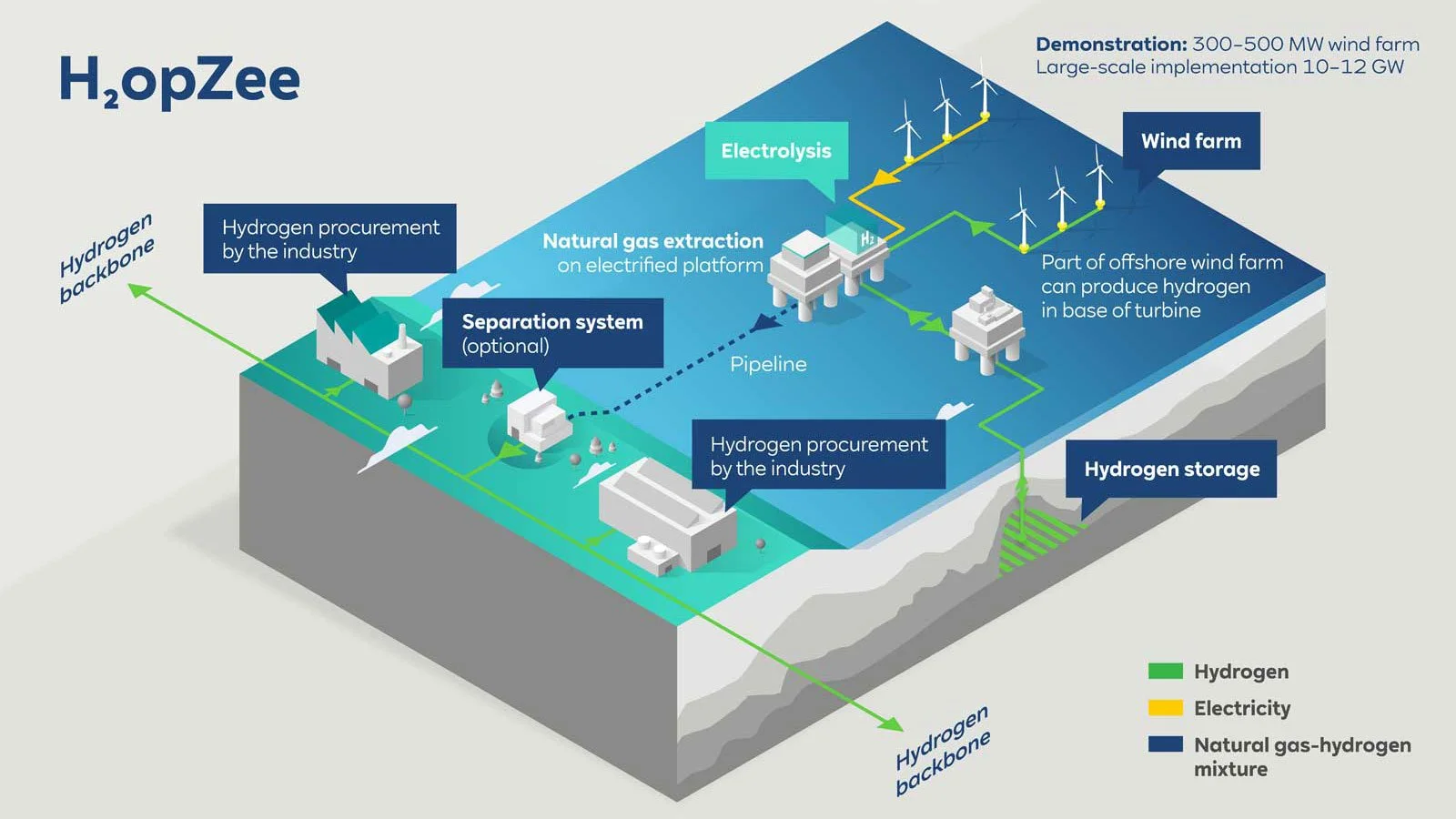
Energy infrastructure is evolving rapidly, driven by the growth of hydrogen, carbon capture, LNG, and high-efficiency power generation. These applications expose valves to aggressive media, rapid pressure changes, and continuous cycling, placing significant stress on traditional designs.
IMI Critical Engineering’s expansion focuses on enhancing valve performance in these environments, ensuring long-term durability where failure is not an option. In severe service applications, even minor leakage or wear can lead to major operational and safety risks, which is why material selection, trim design, and flow control precision are critical.
ADVANCED ENGINEERING FOR SEVERE SERVICE APPLICATIONS
Severe service valves are engineered differently from standard valves. They are designed to handle extreme velocities, flashing, cavitation, and high differential pressures without compromising performance.
IMI’s approach centres on improving internal trim geometry, reducing turbulence, and managing energy dissipation within the valve. By controlling how fluid moves through the valve, erosion and vibration can be significantly reduced, extending service life and maintaining consistent performance.
This is particularly important in applications such as steam conditioning, letdown systems, and high-pressure gas control, where standard valve designs would quickly degrade.
MATERIAL INNOVATION AND LONG-TERM RELIABILITY
One of the key areas of focus is the use of advanced materials capable of withstanding extreme environments. High-performance alloys, hardened trims, and specialised coatings are increasingly being used to combat corrosion, erosion, and thermal stress.
In modern energy systems, valves must operate reliably over extended periods with minimal maintenance. IMI’s expanded solutions aim to reduce unplanned downtime by ensuring that components maintain integrity even under continuous stress.
This aligns with industry demand for longer service intervals and reduced lifecycle costs, particularly in remote or offshore installations where maintenance access is limited.
SUPPORTING THE ENERGY TRANSITION
As the energy sector transitions toward cleaner technologies, valve requirements are becoming more complex. Hydrogen applications, for example, introduce new challenges related to material compatibility and leakage control, while carbon capture systems require precise pressure management under variable conditions.
IMI Critical Engineering’s expansion positions the company to support these emerging sectors by offering solutions that meet both current and future demands. In this context, severe service valves are not just components — they are enablers of next-generation energy infrastructure.
IMI Critical Engineering’s expansion into severe service valve solutions highlights the growing importance of robust, high-performance flow control in modern energy systems. As operating conditions become more demanding and infrastructure becomes more advanced, the role of specialised valve design continues to evolve.
In 2026 and beyond, success in energy infrastructure will depend on components that can deliver consistent performance under pressure — and severe service valves are at the centre of that challenge.