GF Piping Systems Expands Prefabricated Pipe Solutions for Faster Industrial Installation

As industrial projects become more complex and time-sensitive, the demand for faster, more efficient installation methods continues to grow. GF Piping Systems is responding to this shift by expanding its prefabricated pipe solutions, offering a streamlined approach that reduces on-site labour, improves quality consistency, and accelerates project timelines.
Prefabrication is not a new concept, but in 2026 it is becoming a core strategy for modern industrial construction, particularly in sectors such as water treatment, chemical processing, and energy infrastructure.
WHAT PREFABRICATED PIPE SYSTEMS OFFER
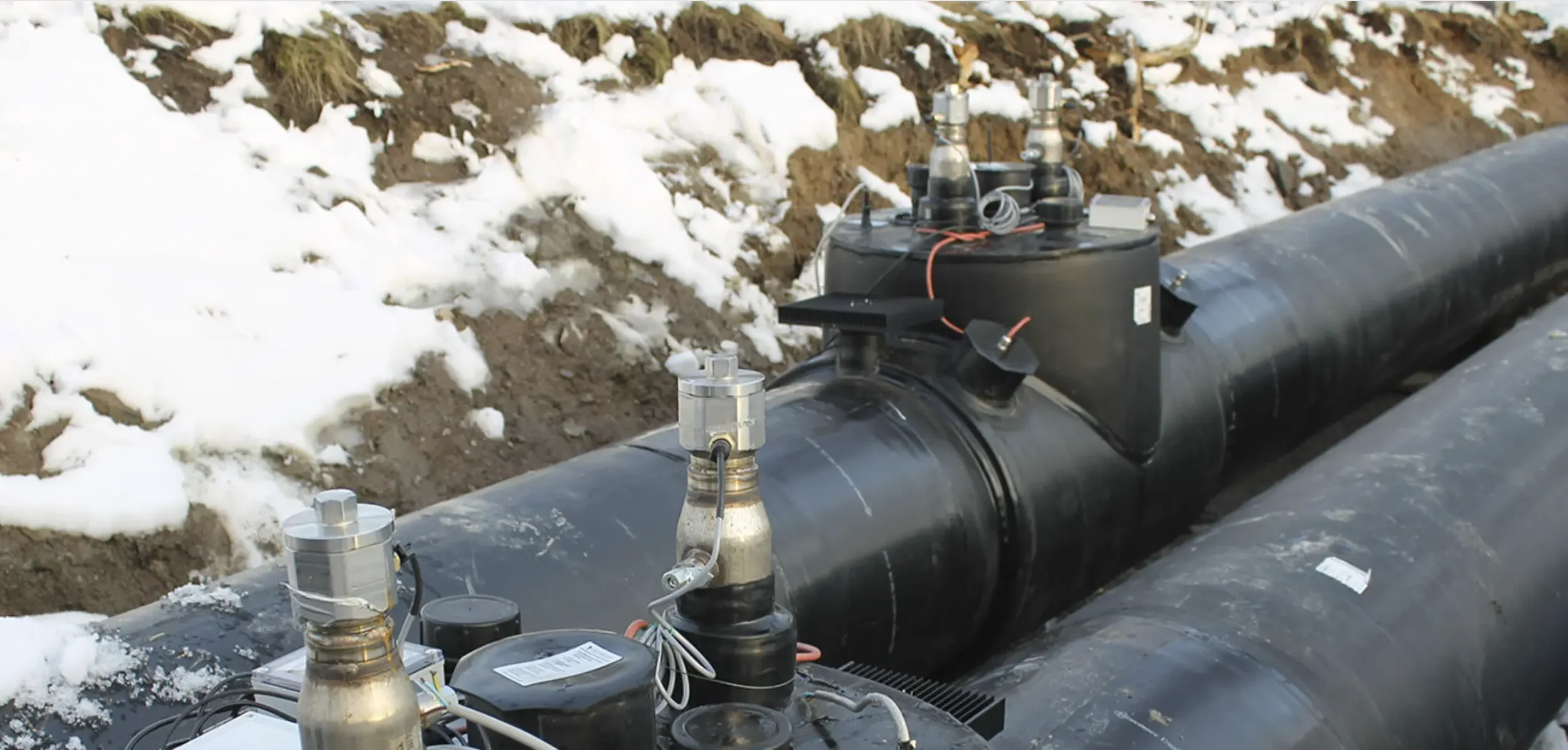
Prefabricated pipe systems are assembled off-site in controlled environments before being delivered ready for installation. Instead of cutting, welding, and aligning pipework on-site, contractors receive pre-built sections designed to fit precisely within the system.
This approach significantly reduces installation complexity. By shifting fabrication into a controlled workshop environment, manufacturers like GF Piping Systems can ensure higher precision, consistent weld quality, and reduced variability compared to traditional site-based fabrication.
For project teams, this translates to fewer delays, improved safety conditions, and more predictable outcomes.
FASTER INSTALLATION AND REDUCED LABOUR
One of the main drivers behind prefabrication is speed. On-site welding and pipe fitting can be time-consuming and labour-intensive, particularly in large or technically demanding installations.
With prefabricated systems, installation becomes a process of positioning and connecting pre-engineered modules. This reduces the need for skilled welding teams on-site and minimises disruption to surrounding operations.
In industries where downtime is costly, such as manufacturing or utilities, reducing installation time can deliver significant financial and operational benefits.
QUALITY CONTROL AND CONSISTENCY
Quality assurance is another major advantage of prefabrication. In a controlled manufacturing environment, pipe sections can be produced using standardised procedures, advanced tooling, and repeatable processes.
This ensures that welds, joints, and alignments meet strict specifications before arriving on-site. It also allows for better inspection and testing, including pressure testing and dimensional verification.
By comparison, site-based fabrication is often exposed to environmental variables such as weather, space constraints, and limited access. Prefabrication removes these variables, resulting in more consistent and reliable pipework systems.
DIGITAL DESIGN AND PROJECT INTEGRATION
GF Piping Systems is also leveraging digital tools to support its prefabricated solutions. Using advanced design and planning software, pipe systems can be modelled in detail before fabrication begins.
This allows for accurate coordination with other disciplines, reducing clashes and ensuring that components fit seamlessly during installation. Digital planning also supports material optimisation and reduces waste.
As industrial projects increasingly adopt BIM and digital workflows, prefabricated pipe systems are becoming fully integrated into modern project delivery models.
APPLICATIONS ACROSS INDUSTRY
Prefabricated pipe solutions are particularly well suited to industries where precision, hygiene, or safety are critical. This includes water and wastewater treatment plants, chemical processing facilities, data centres, and energy infrastructure projects.
In hygienic environments, prefabrication supports cleaner installations with reduced contamination risk. In high-pressure systems, it ensures better control over weld quality and material performance.
As these sectors continue to evolve, the demand for faster, safer, and more reliable installation methods is only expected to increase.
GF Piping Systems’ expansion into prefabricated pipe solutions reflects a broader industry shift toward efficiency, quality, and digital integration. By moving fabrication off-site and into controlled environments, projects can be delivered faster, with fewer risks and improved consistency.
In 2026, prefabrication is no longer just an alternative approach — it is becoming the standard for modern industrial pipework installation. For engineers and contractors, adopting these solutions offers a clear path to reduced timelines, improved quality, and better overall project performance.