Hydrogen Projects Surge Across Europe — What It Means for Valve & Pipeline Specifications
Key Points:
• Rapid growth of hydrogen infrastructure across Europe
• New challenges for valve materials, sealing, and pressure systems
• Increasing focus on safety, leakage prevention, and compliance
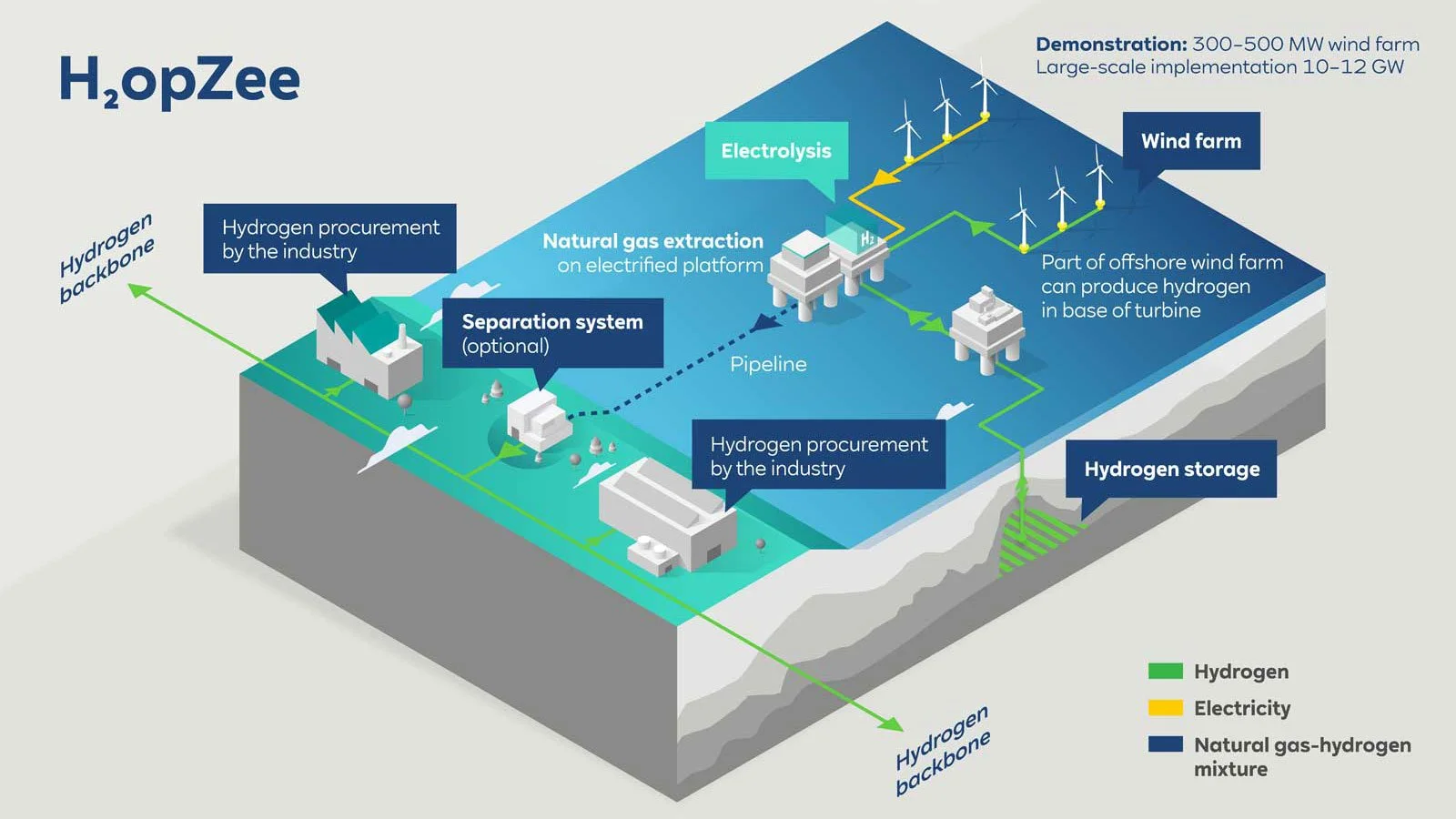
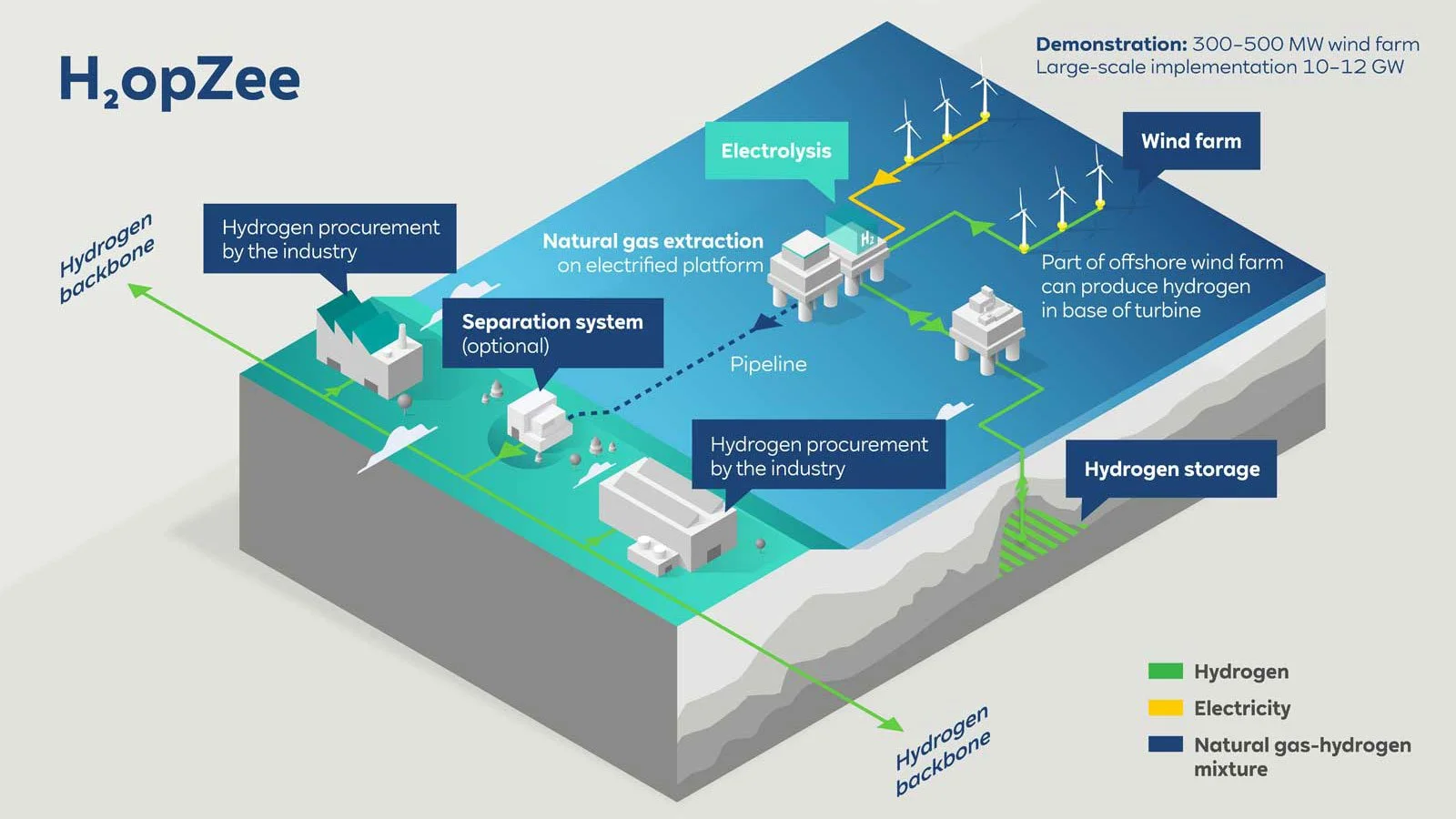
Hydrogen is quickly becoming a central part of Europe’s energy transition strategy. With large-scale investment flowing into green hydrogen production, storage, and distribution, the demand for specialised infrastructure is accelerating — and with it, the need for high-performance valves and pipeline systems.
While hydrogen offers clear environmental benefits, it also introduces new engineering challenges. Its small molecular size, high diffusivity, and wide flammability range mean that traditional valve and piping specifications are being re-evaluated.
WHY HYDROGEN CHANGES EVERYTHING
Hydrogen behaves very differently compared to natural gas or other industrial media. Its properties create unique challenges for flow control systems.
Key considerations include:
• Hydrogen molecules are extremely small, increasing leakage risk
• High diffusivity can lead to material permeation
• Susceptibility to embrittlement in certain metals
• Wide flammability range requiring enhanced safety measures
Because of this, valves and pipelines must be designed to tighter tolerances and higher integrity standards than many conventional systems.
IMPACT ON VALVE SELECTION
Valve design is being pushed to meet new performance requirements in hydrogen applications.
Engineers are increasingly focusing on:
• Metal-to-metal sealing or advanced soft seat materials
• Low fugitive emission designs to minimise leakage
• High-integrity isolation valves for safety-critical applications
• Precision machining to reduce tolerances and leakage paths
• Fire safe and anti-static features for hazardous environments
Ball valves and butterfly valves are still widely used, but their designs are being refined to ensure reliable sealing under hydrogen conditions.
MATERIAL SELECTION AND COMPATIBILITY
Material choice is one of the most critical aspects of hydrogen system design.
Certain steels can suffer from hydrogen embrittlement, leading to cracking and failure under stress. As a result, engineers are specifying:
• Austenitic stainless steels with proven hydrogen compatibility
• Specialised alloys designed for high-pressure hydrogen service
• Coatings and treatments to reduce permeability
• Strict material certification and testing procedures
Material traceability is becoming essential, ensuring that every component meets required performance standards.
PIPELINE DESIGN AND PRESSURE SYSTEMS
Hydrogen pipelines must handle high pressures while maintaining absolute integrity.
This is leading to:
• Increased focus on weld quality and inspection
• Tighter control of flange connections and gasket selection
• Greater use of seamless pipe materials
• Enhanced leak detection and monitoring systems
Pressure ratings and safety factors are often more conservative, reflecting the higher risks associated with hydrogen.
REGULATIONS AND STANDARDS EVOLVING
As hydrogen infrastructure expands, standards and regulations are evolving to keep pace.
There is growing emphasis on:
• Fugitive emission limits
• Material testing for hydrogen service
• Certification for high-pressure gas systems
• Alignment with existing gas and pressure equipment directives
In many cases, existing standards are being adapted rather than replaced, but interpretation is becoming more stringent.
WHAT THIS MEANS FOR ENGINEERS AND SPECIFIERS
For those designing or supplying hydrogen systems, the approach to valve and pipeline specification must adapt.
Key takeaways include:
• Never assume compatibility with existing gas systems
• Prioritise sealing performance and leakage prevention
• Verify material suitability for hydrogen exposure
• Specify higher safety margins where required
• Work with suppliers experienced in hydrogen applications
In hydrogen systems, small design decisions can have major safety implications.
The surge in hydrogen projects across Europe is reshaping how valves and pipelines are specified. As the industry moves toward cleaner energy, engineering standards are rising to meet new challenges.
Valves are no longer just components — they are critical safety and performance elements in hydrogen infrastructure. Success in this sector will depend on precision, material expertise, and a deep understanding of hydrogen behaviour.