Intelligent Valves & Digitalisation Take Centre Stage Ahead of Valve World Expo 2026
As the industry looks ahead to Valve World Expo 2026, one theme is becoming impossible to ignore — digitalisation is transforming how valves are designed, monitored, and maintained. What was once a purely mechanical product is now evolving into a connected, data-driven asset.
From smart actuators to real-time diagnostics, intelligent valves are taking centre stage, reflecting broader trends across oil & gas, water treatment, power, and industrial automation.
WHAT ARE INTELLIGENT VALVES?
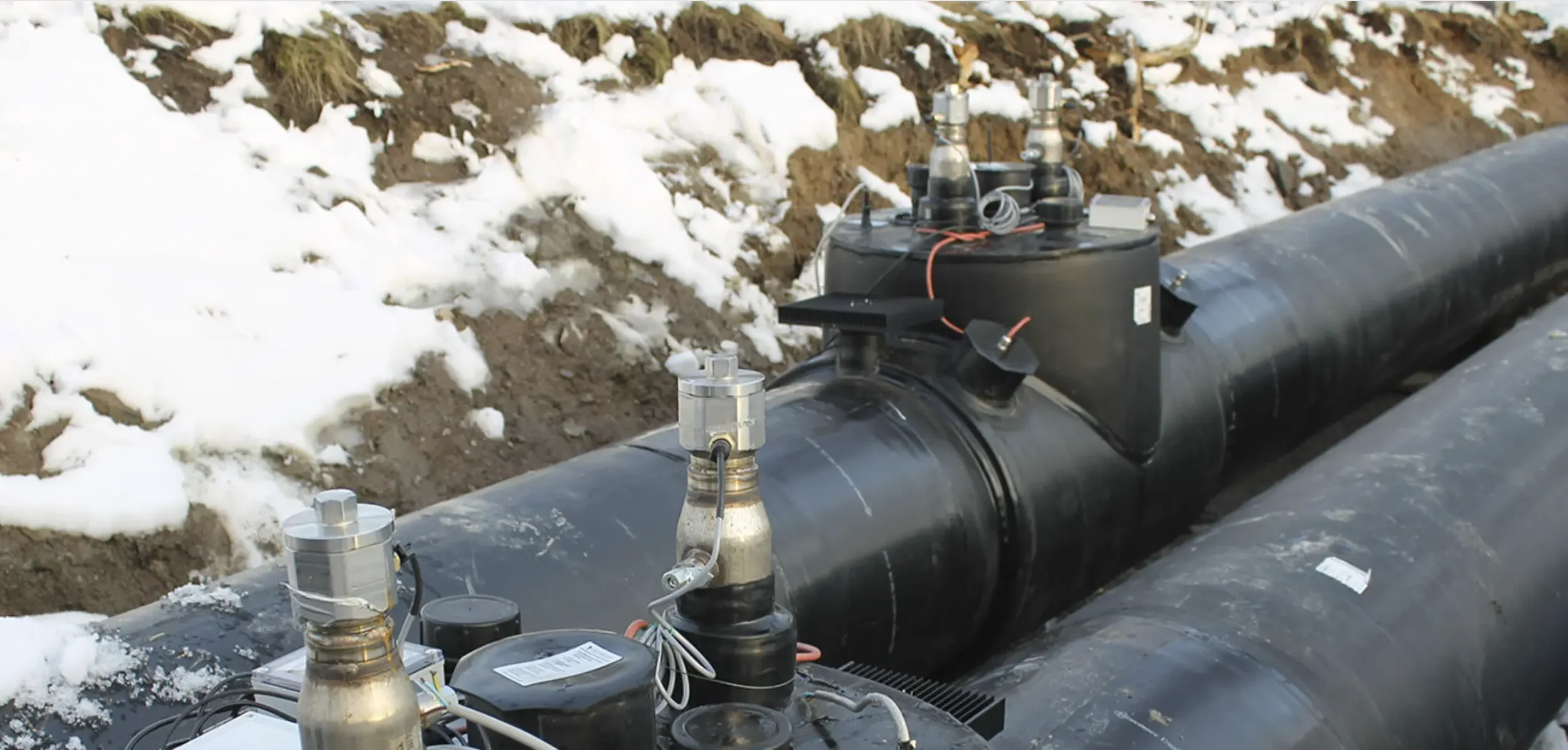
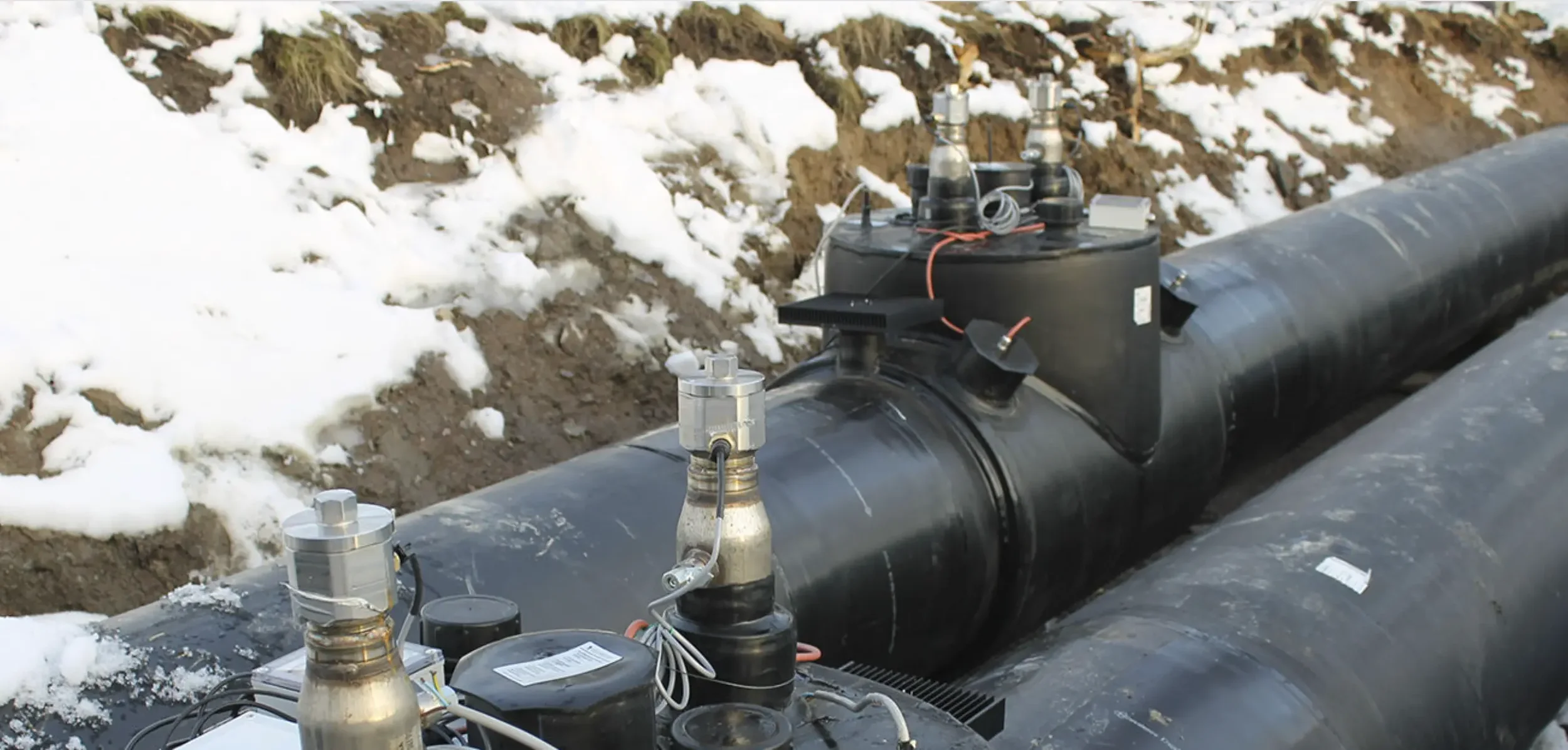
Intelligent valves are traditional valves enhanced with sensors, communication capabilities, and digital feedback systems. These features allow operators to monitor performance and condition in real time.
Typical capabilities include:
• Valve position feedback and diagnostics
• Torque and cycle monitoring
• Leakage detection indicators
• Remote operation and control integration
• Data logging for performance analysis
These systems transform valves from passive components into active participants in plant operations.
WHY DIGITALISATION IS ACCELERATING NOW
Several factors are driving the shift toward smart valve technology:
• Increased focus on uptime and reliability
• Rising maintenance and operational costs
• Demand for predictive maintenance strategies
• Growth of industrial automation and Industry 4.0
• Expansion of remote and unmanned facilities
Operators are no longer satisfied with reactive maintenance. Instead, they are adopting systems that predict issues before failure occurs.
PREDICTIVE MAINTENANCE: THE BIGGEST ADVANTAGE
One of the key benefits of intelligent valves is predictive maintenance. By analysing real-time data, systems can identify early signs of wear or failure.
This allows:
• Maintenance to be scheduled only when needed
• Reduction in unplanned downtime
• Improved asset lifespan
• Better planning of spare parts and resources
For critical applications, this shift can significantly reduce operational risk and cost.
INTEGRATION WITH SCADA AND CONTROL SYSTEMS
Modern intelligent valves are designed to integrate seamlessly with existing control infrastructure, including:
• SCADA systems for plant-wide monitoring
• PLCs for automated process control
• Digital communication protocols such as Modbus and Profibus
This connectivity ensures that valve data is not isolated, but part of a fully connected operational ecosystem.
WHAT TO EXPECT AT VALVE WORLD EXPO 2026
With digitalisation at the forefront, Valve World Expo 2026 is expected to showcase:
• Advanced smart actuators with enhanced diagnostics
• Integrated valve monitoring platforms
• New sensor technologies for leak and performance detection
• Digital twin integration for valve systems
• Solutions focused on energy efficiency and sustainability
Manufacturers are increasingly positioning themselves not just as hardware suppliers, but as providers of complete, data-driven flow control solutions.
WHAT ENGINEERS SHOULD PREPARE FOR
As intelligent valve technology becomes more common, engineers and specifiers will need to consider:
• Data integration requirements
• Compatibility with existing control systems
• Cybersecurity considerations
• Long-term maintenance and support
• Training for operational teams
In this new landscape, valve selection involves both mechanical and digital decision-making.
The rise of intelligent valves marks a significant shift in the industry. As digitalisation continues to accelerate, valves are becoming smarter, more connected, and more valuable as sources of operational data.
Ahead of Valve World Expo 2026, it’s clear that the future of flow control lies in combining mechanical reliability with digital intelligence. For those in the industry, adapting to this change will be key to staying competitive.