Uponor Develops Pre-Insulated Pipe Systems for Energy-Efficient District Heating Networks
As energy systems shift toward efficiency and sustainability, district heating networks are becoming a key solution across Europe and beyond. These systems rely heavily on high-performance pipe infrastructure capable of minimising heat loss over long distances. Uponor’s latest development in pre-insulated pipe technology reflects this growing demand, offering enhanced thermal efficiency, durability, and installation flexibility.
In modern heating networks, pipework is no longer just a transport medium — it is a critical factor in overall system performance and energy efficiency.
WHAT ARE PRE-INSULATED PIPE SYSTEMS?
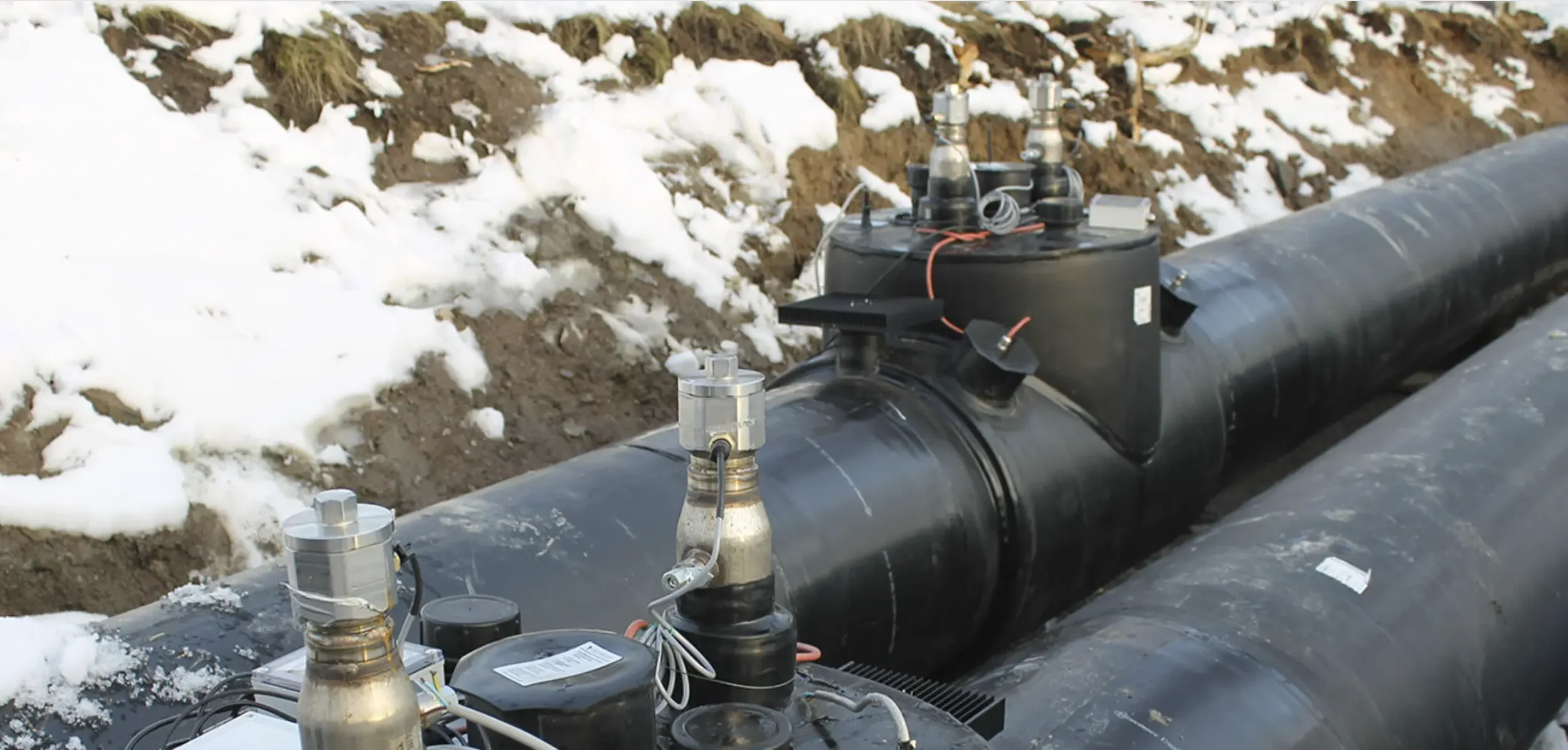
Pre-insulated pipe systems consist of a carrier pipe, insulation layer, and outer casing, all manufactured as a single integrated unit. This design ensures consistent insulation quality and reduces heat loss compared to traditional on-site insulation methods.
Uponor’s systems are engineered to deliver optimal thermal performance while maintaining structural integrity under varying environmental conditions. The insulation layer significantly reduces energy loss, making these systems ideal for district heating applications where maintaining temperature over distance is essential.
In contrast to conventional pipe installations, pre-insulated solutions also reduce installation time and improve long-term reliability.
IMPROVING ENERGY EFFICIENCY IN DISTRICT HEATING
District heating networks distribute hot water or steam from a central source to multiple buildings. Any heat lost during transmission represents wasted energy and increased operational costs.
Uponor’s latest pipe systems focus on reducing these losses through advanced insulation materials and improved system design. By maintaining consistent temperatures throughout the network, operators can achieve higher efficiency, lower energy consumption, and reduced carbon emissions.
As cities and industrial facilities push toward net-zero targets, the efficiency of distribution systems is becoming just as important as the energy source itself.
FLEXIBILITY AND EASE OF INSTALLATION
One of the key advantages of Uponor’s pre-insulated pipe systems is their flexibility. Designed to be easier to handle and install, these pipes can adapt to complex routing requirements, reducing the need for additional fittings and joints.
Fewer joints mean fewer potential leak points, improving overall system reliability. Installation speed is also improved, which is particularly valuable in large-scale infrastructure projects where timelines are tight.
In modern construction and retrofit projects, ease of installation directly impacts project cost and delivery time.
DURABILITY AND LONG-TERM PERFORMANCE
District heating systems are long-term investments, often expected to operate reliably for decades. Uponor’s pipe systems are designed with durability in mind, offering resistance to corrosion, environmental stress, and temperature cycling.
The outer casing protects the system from external damage, while the insulation maintains performance over time. This combination ensures consistent operation with minimal maintenance requirements.
For operators, this translates into lower lifecycle costs and improved system dependability.
SUPPORTING THE ENERGY TRANSITION
As governments and industries move toward more sustainable energy systems, district heating is playing an increasingly important role. Whether powered by renewable sources, waste heat recovery, or combined heat and power (CHP) systems, efficient distribution remains critical.
Uponor’s development aligns with this transition by providing pipework solutions that support energy efficiency, reduced emissions, and scalable infrastructure growth.
The future of heating is not just about how energy is generated, but how effectively it is delivered.
Uponor’s pre-insulated pipe systems highlight the growing importance of efficient, reliable infrastructure in modern energy networks. By combining advanced insulation, flexible design, and long-term durability, these systems support the expansion of district heating while reducing energy loss and operational costs.
As demand for sustainable heating solutions increases, innovations in pipework will continue to play a central role. In this evolving landscape, efficient pipe systems are not just components — they are enablers of the energy transition.