IPSCO (Tenaris) Enhances Electric Resistance Welded (ERW) Pipe Production Capabilities
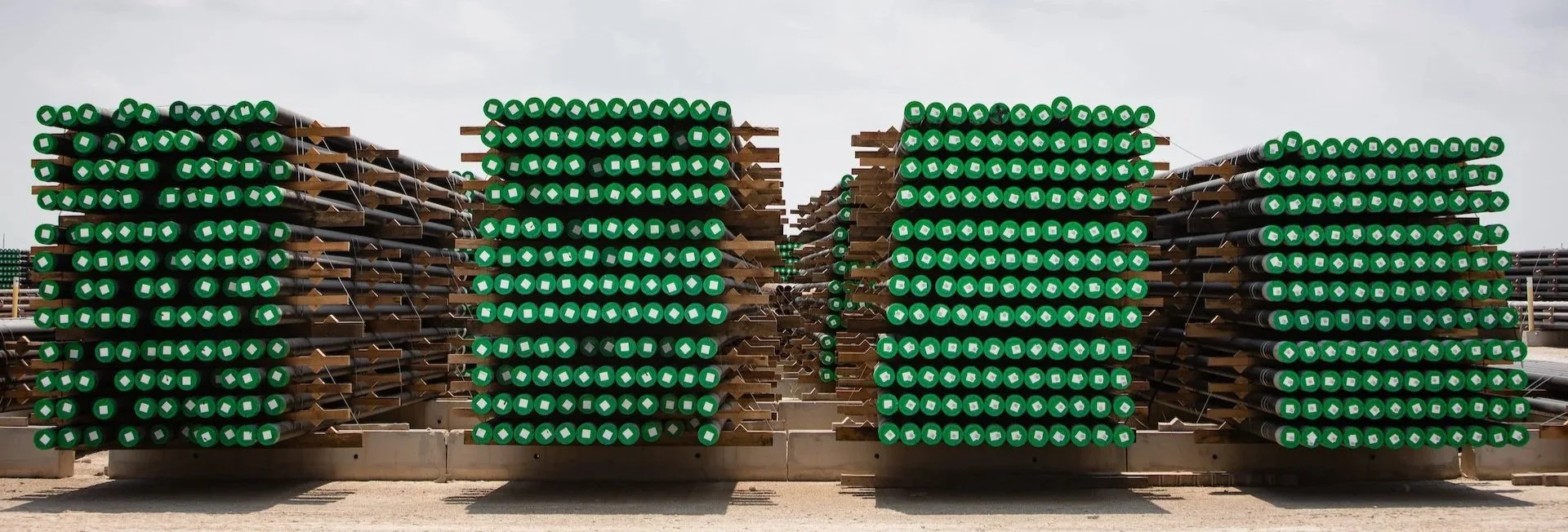
Electric Resistance Welded (ERW) pipe remains a cornerstone of modern pipeline infrastructure, widely used across oil & gas, water transmission, and industrial applications. In 2026, IPSCO — part of Tenaris — has taken a significant step forward by enhancing its ERW pipe production capabilities, focusing on quality consistency, welding precision, and production efficiency.
As demand increases for reliable, high-performance pipeline systems, improvements in ERW manufacturing are becoming critical to meeting both engineering standards and project timelines.
WHAT IS ERW PIPE AND WHY IT MATTERS
ERW pipe is manufactured by rolling steel into a cylindrical shape and welding the seam using electrical resistance. Unlike seamless pipe, ERW offers advantages in cost, availability, and dimensional consistency, making it ideal for large-scale pipeline projects.
The integrity of the weld seam is the most critical factor in ERW pipe performance. Advances in production technology are therefore centred around improving weld strength, uniformity, and inspection accuracy.
In applications such as gas transmission and water infrastructure, ERW pipe must deliver consistent pressure performance across long distances, making manufacturing precision essential.
ENHANCEMENTS IN PRODUCTION TECHNOLOGY
IPSCO’s latest upgrades focus on refining the entire production process, from raw material preparation through to final inspection. Improvements include tighter control of forming processes, enhanced welding systems, and upgraded heat treatment procedures.
By optimising these stages, manufacturers can achieve more consistent weld profiles and reduce variability between batches. This leads to improved mechanical performance and reduced risk of defects.
A key area of focus is the weld zone itself. By controlling temperature, pressure, and alignment more precisely during welding, IPSCO is able to deliver stronger and more reliable seam integrity, which is essential for high-pressure applications.
IMPROVED QUALITY CONTROL AND TESTING
Modern ERW production relies heavily on advanced inspection techniques. IPSCO’s enhanced capabilities include improved non-destructive testing methods, allowing for more accurate detection of imperfections within the weld seam and pipe body.
Techniques such as ultrasonic testing and automated inspection systems help ensure that every pipe meets strict quality requirements. This level of scrutiny is increasingly expected in industries where pipeline failure is not an option.
In 2026, quality assurance is no longer reactive — it is embedded throughout the production process.
MEETING DEMAND FOR ENERGY AND INFRASTRUCTURE PROJECTS
Global demand for pipeline infrastructure continues to grow, driven by energy transition projects, gas distribution networks, and water infrastructure upgrades. ERW pipe plays a key role in these developments due to its balance of performance and cost efficiency.
IPSCO’s production enhancements position it to support large-scale projects requiring consistent supply, shorter lead times, and high-quality output. For contractors and project managers, this means greater confidence in both delivery schedules and product reliability.
As projects become more complex, manufacturing capability is becoming a deciding factor in supplier selection.
APPLICATIONS ACROSS MULTIPLE INDUSTRIES
Enhanced ERW pipe production benefits a wide range of sectors, including oil & gas transmission, water and wastewater systems, structural applications, and industrial processing.
Each of these industries requires different performance characteristics, from corrosion resistance to pressure handling. By improving manufacturing precision, IPSCO is able to meet diverse specification requirements while maintaining consistent quality standards.
This flexibility is essential in a market where pipelines must perform reliably across varying environments and operating conditions.
IPSCO’s advancements in ERW pipe production highlight the ongoing evolution of pipeline manufacturing. By focusing on weld integrity, process control, and advanced inspection, the company is strengthening the reliability of one of the most widely used pipe types in the industry.
As infrastructure demands continue to grow, improvements like these ensure that ERW pipe remains a dependable solution for modern pipeline systems. In today’s market, manufacturing precision is directly linked to pipeline performance and long-term reliability.