Shawcor Develops New Pipeline Coating Systems to Improve Corrosion Resistance
Corrosion remains one of the biggest challenges in pipeline infrastructure, affecting everything from oil and gas transmission to water distribution and industrial process systems. As pipelines are pushed into more aggressive environments, the demand for advanced protective coating systems continues to grow.
Shawcor, a global leader in pipeline technology and services, has introduced a new generation of pipeline coating solutions designed to enhance durability, extend asset life, and reduce maintenance costs. This development reflects a broader industry shift toward long-term corrosion protection and lifecycle performance rather than short-term fixes.
THE IMPORTANCE OF PIPELINE COATINGS
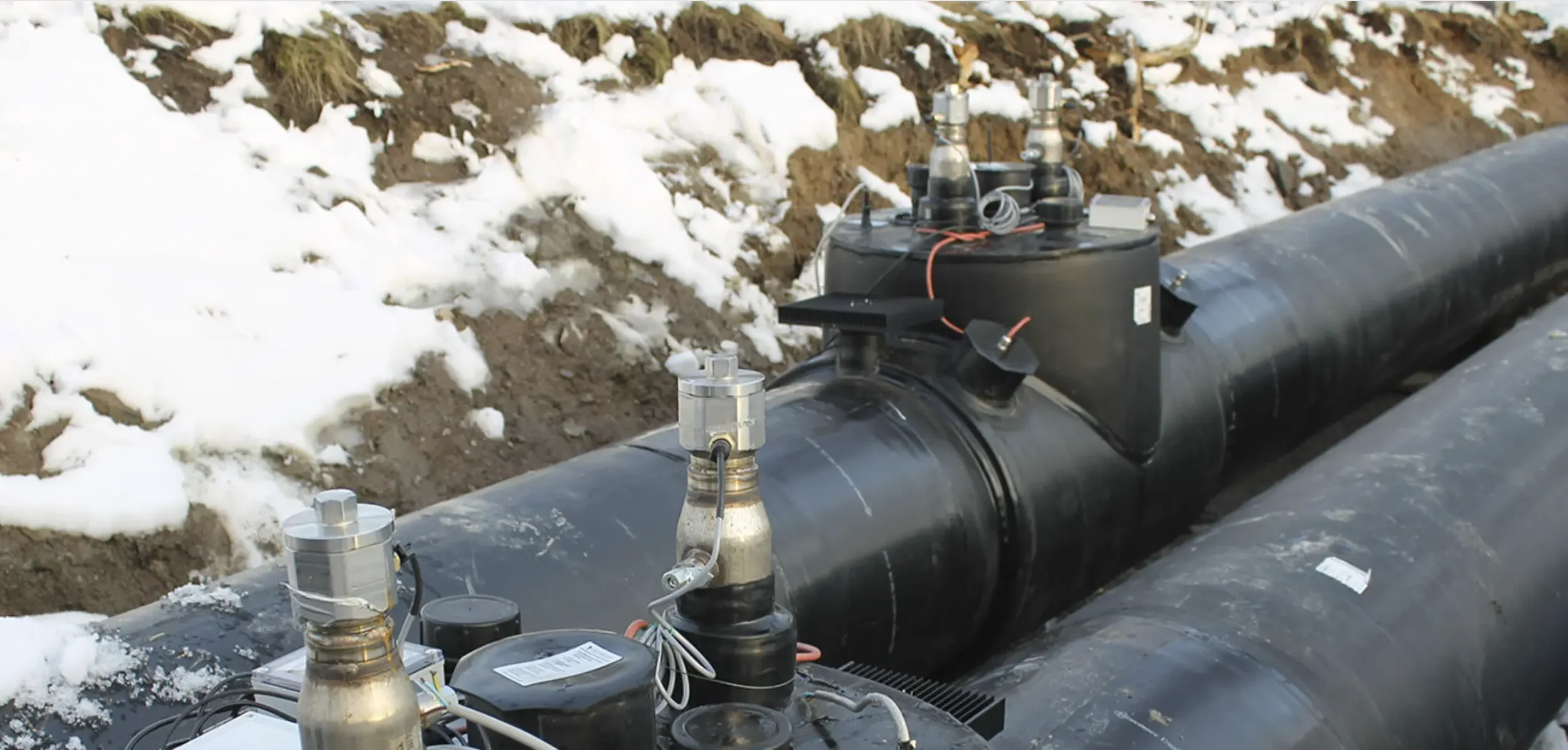
Pipeline coatings play a critical role in protecting steel pipe from environmental exposure, chemical attack, and mechanical damage. Without effective coating systems, pipelines are vulnerable to corrosion, which can lead to leaks, structural failure, and costly downtime.
In modern infrastructure projects, coatings are no longer seen as optional extras. They are considered essential components of pipeline design, particularly in offshore, buried, and high-moisture environments where corrosion risk is significantly higher.
Shawcor’s latest coating systems are engineered to provide improved resistance across a range of challenging conditions, ensuring pipelines maintain integrity over extended service periods.
ADVANCED COATING TECHNOLOGY
The new coating systems developed by Shawcor focus on improving both performance and application efficiency. By refining material composition and layering techniques, these coatings offer stronger adhesion, enhanced impact resistance, and greater protection against chemical exposure.
Modern coating systems often incorporate multiple layers, including fusion-bonded epoxy (FBE), adhesive layers, and polyethylene or polypropylene outer coatings. Shawcor’s latest developments build on this approach, delivering improved barrier protection and mechanical strength.
This is particularly important for pipelines operating in harsh environments, where coatings must withstand abrasion, soil stress, and temperature fluctuations without degrading.
ENHANCED PERFORMANCE IN HARSH ENVIRONMENTS
Pipelines installed offshore or underground face constant exposure to moisture, salts, and varying temperatures. Over time, even small coating defects can lead to corrosion initiation.
Shawcor’s new systems are designed to minimise these risks by improving coating uniformity and resistance to cracking or delamination. This ensures that the protective barrier remains intact, even under demanding conditions.
For operators, this translates to reduced inspection frequency, lower maintenance costs, and improved long-term reliability.
APPLICATION EFFICIENCY AND PROJECT DELIVERY
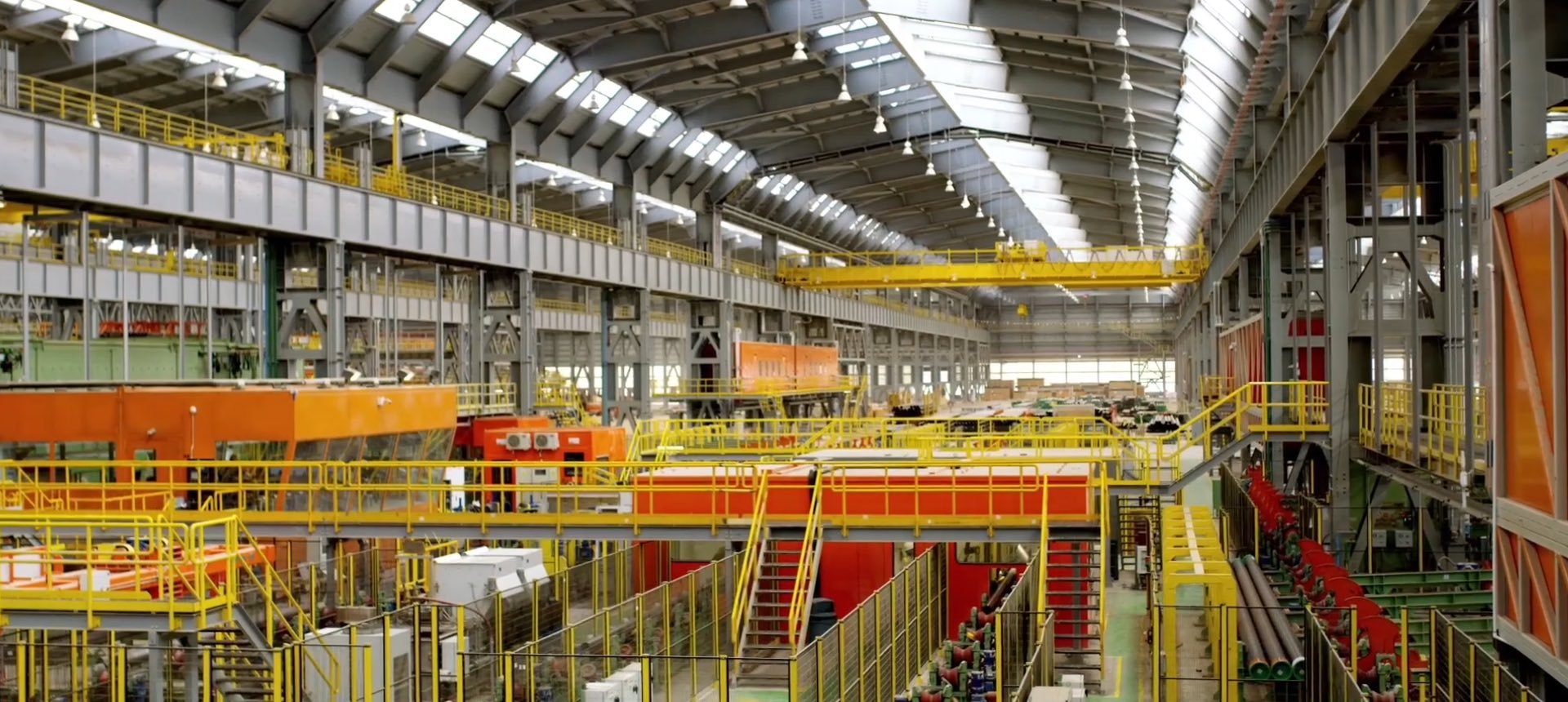
In addition to performance improvements, Shawcor’s coating systems are designed to support faster and more consistent application during manufacturing and installation.
Coating processes that are easier to apply and inspect can reduce project delays and improve quality control. Consistency in coating thickness and adhesion is critical to ensuring that pipelines meet both specification requirements and operational expectations.
As large-scale infrastructure projects continue to expand globally, efficient coating application is becoming just as important as coating performance.
SUPPORTING ENERGY AND INFRASTRUCTURE TRANSITION
The evolution of pipeline coating technology is closely linked to broader industry changes, including the transition toward cleaner energy and more sustainable infrastructure.
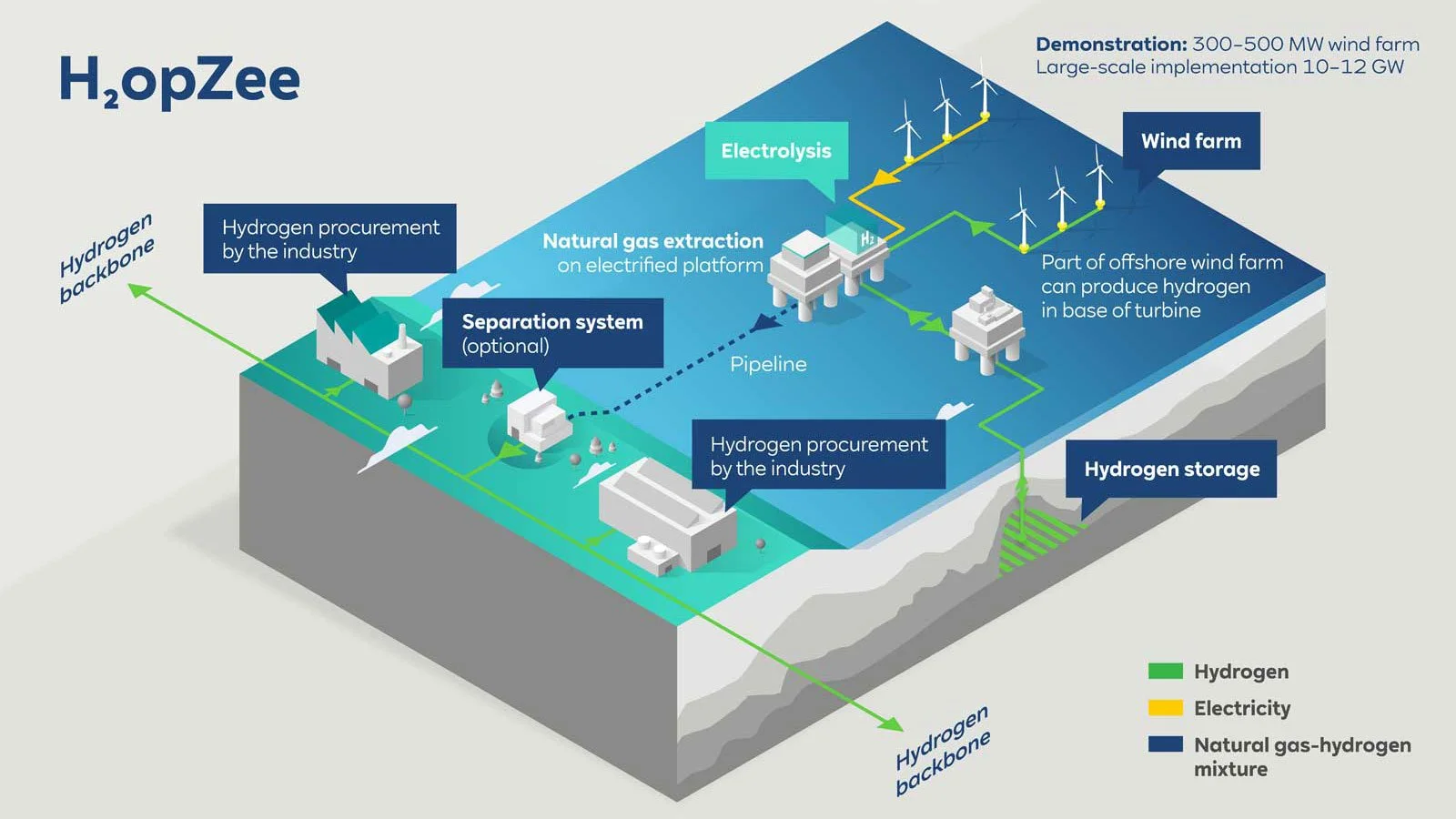
Hydrogen pipelines, carbon capture systems, and modern water networks all require materials and coatings that can handle new operating conditions. Shawcor’s developments align with these needs, providing solutions that support next-generation energy systems while maintaining safety and reliability.
Shawcor’s latest pipeline coating systems highlight the growing importance of corrosion protection in modern infrastructure. By improving material performance, application efficiency, and long-term durability, these coatings help ensure pipelines remain safe and operational in increasingly demanding environments.
As industries continue to invest in energy, water, and industrial networks, advanced coating technology will play a central role in protecting assets and reducing lifecycle costs.