Neles Introduces Intelligent Valve Monitoring for Remote Process Diagnostics
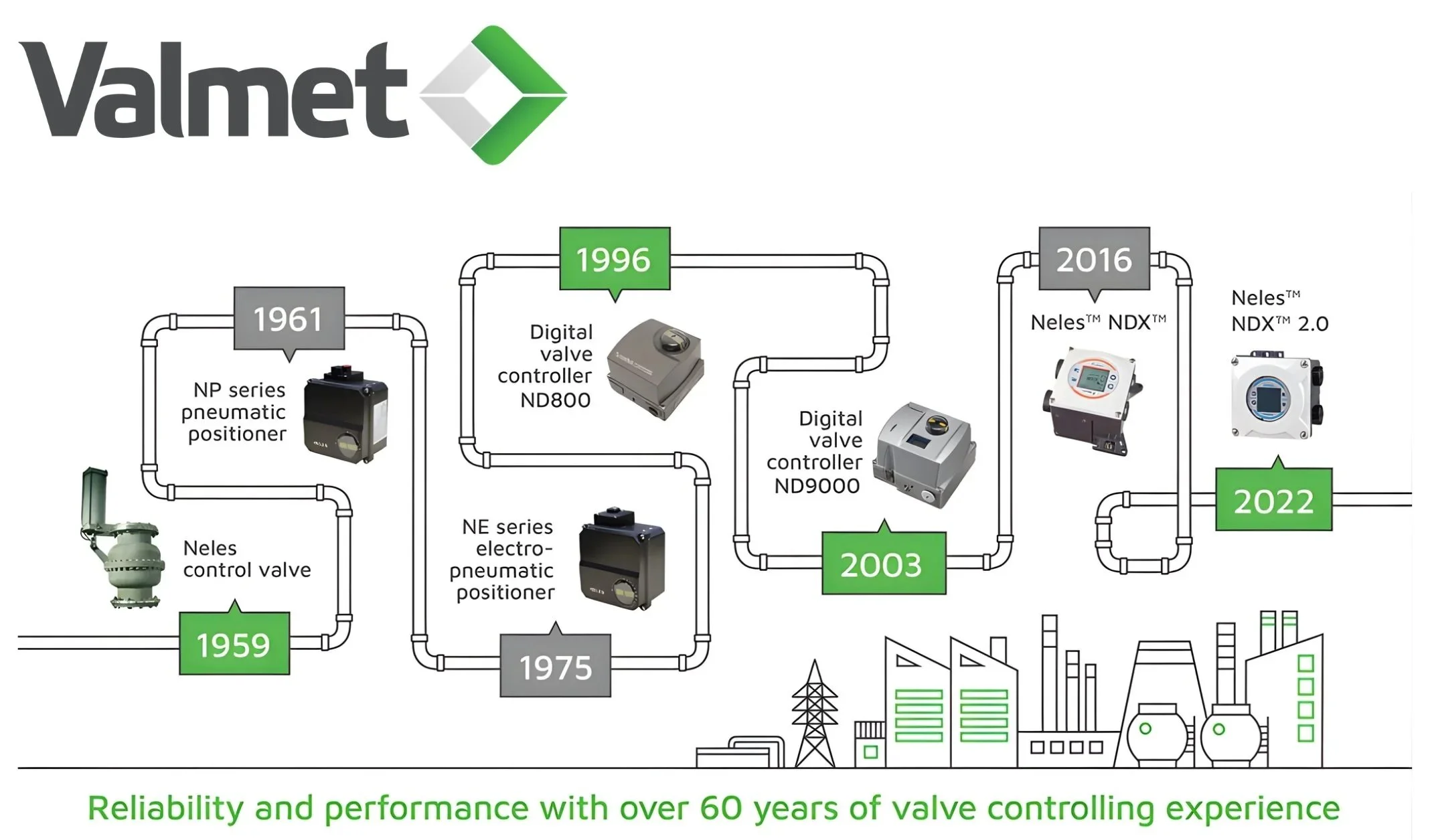
Neles has introduced a new generation of intelligent valve monitoring technology, designed to give operators deeper visibility into valve performance and enable true remote diagnostics across industrial systems. As process industries continue to prioritise uptime, efficiency, and predictive maintenance, this development reflects a wider shift toward data-driven asset management and smarter valve operation.
In modern plants, valves are no longer passive components. They are critical control points, and understanding their condition in real time is becoming essential. Neles’ latest innovation aims to bridge the gap between mechanical performance and digital insight.
A SHIFT TOWARD SMART VALVE MONITORING
The new Neles monitoring technology focuses on capturing and analysing valve performance data continuously. This includes parameters such as position accuracy, response time, actuator movement, and operating cycles. By turning this data into actionable insights, operators can move away from reactive maintenance and toward predictive and condition-based strategies.
Instead of waiting for a valve to fail or degrade to the point of affecting process performance, engineers can identify early warning signs. This includes issues such as stiction, air supply problems, or actuator wear, all of which can be detected through subtle changes in valve behaviour.
REMOTE DIAGNOSTICS AND CONNECTIVITY
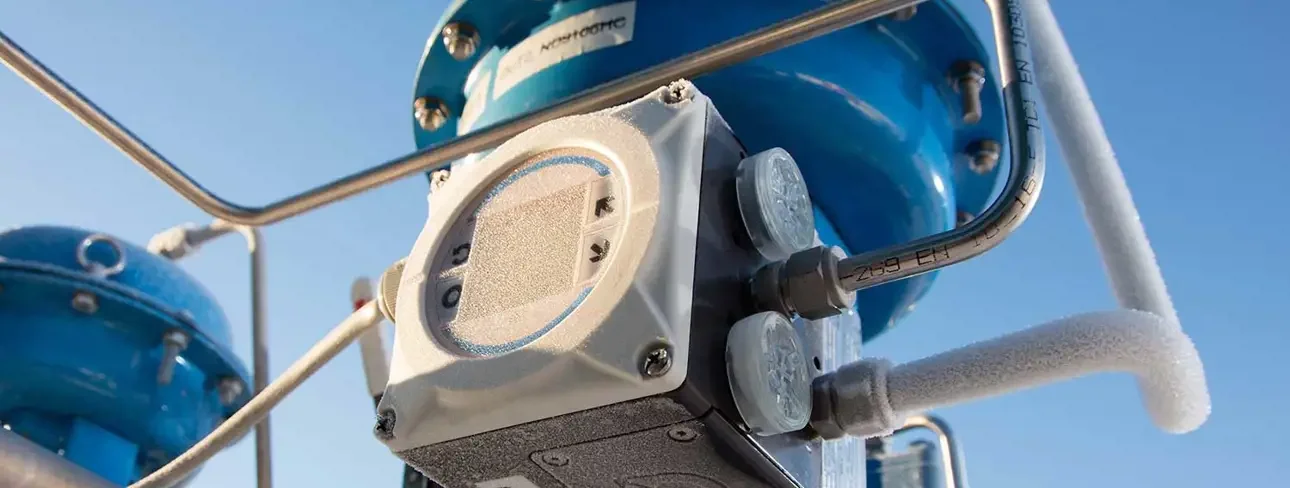
One of the most significant advantages of this technology is its ability to support remote diagnostics. With increasing adoption of SCADA systems and digital control platforms, the ability to monitor valve performance from a central location is becoming a standard requirement.
Neles’ approach allows operators to access valve data without needing to be physically present on site. This is particularly valuable in large-scale facilities, offshore installations, or hazardous environments where access is limited. By enabling remote visibility, the system improves response times and reduces the need for manual inspections.
The integration of intelligent monitoring into control systems also enhances overall plant transparency, giving teams a clearer understanding of how individual valves impact the wider process.
IMPROVING RELIABILITY AND REDUCING DOWNTIME
Unplanned downtime remains one of the biggest costs in industrial operations. Valve failures, even minor ones, can disrupt entire processes, leading to lost production and increased maintenance costs.
By using intelligent monitoring, operators can track performance trends over time and identify when a valve is beginning to drift from optimal operation. This allows maintenance to be scheduled proactively, rather than reactively. In turn, this reduces unexpected shutdowns and improves overall system reliability.
In high-demand sectors such as oil and gas, power generation, and chemical processing, even small improvements in uptime can deliver significant cost savings.
ALIGNING WITH INDUSTRY DIGITALISATION TRENDS
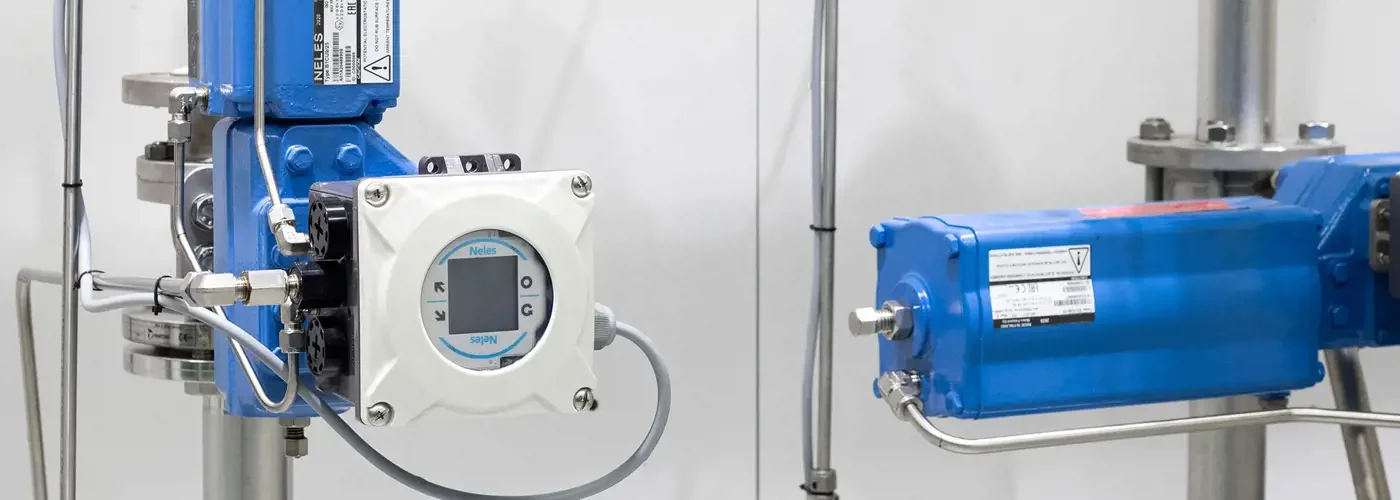
The introduction of intelligent valve monitoring aligns with broader industry trends toward digitalisation and Industry 4.0. As plants become more connected, there is increasing demand for equipment that can provide real-time data and integrate seamlessly into digital ecosystems.
Neles’ development reflects this shift, positioning valves as part of a wider network of smart assets. By combining mechanical performance with digital feedback, operators gain a more complete picture of their systems, enabling better decision-making and long-term planning.
Neles’ intelligent valve monitoring technology represents another step forward in the evolution of process control. By enabling remote diagnostics, improving visibility, and supporting predictive maintenance strategies, it helps operators move toward more efficient and reliable operations.
As industrial systems become more complex and interconnected, technologies like this will play an increasingly important role. In 2026 and beyond, the ability to monitor and understand valve performance in real time is no longer optional — it is becoming a standard expectation.