Industrial Valve Market Growth in 2026: Cryogenics, Hydrogen & High-Pressure Systems Driving Demand

Industrial valves are experiencing a strong surge in demand as global infrastructure projects accelerate in 2026. While valves have always been essential to piping systems, several major industry shifts are now pushing the market forward at a faster pace than expected.
From hydrogen energy networks to cryogenic LNG infrastructure and high-pressure processing systems, the requirements placed on valves are evolving rapidly. Manufacturers and engineers are responding with new materials, specialised designs, and smarter monitoring technologies.
Below is a look at the key drivers behind the industrial valve market’s growth this year.
Hydrogen Infrastructure Is Creating New Valve Requirements
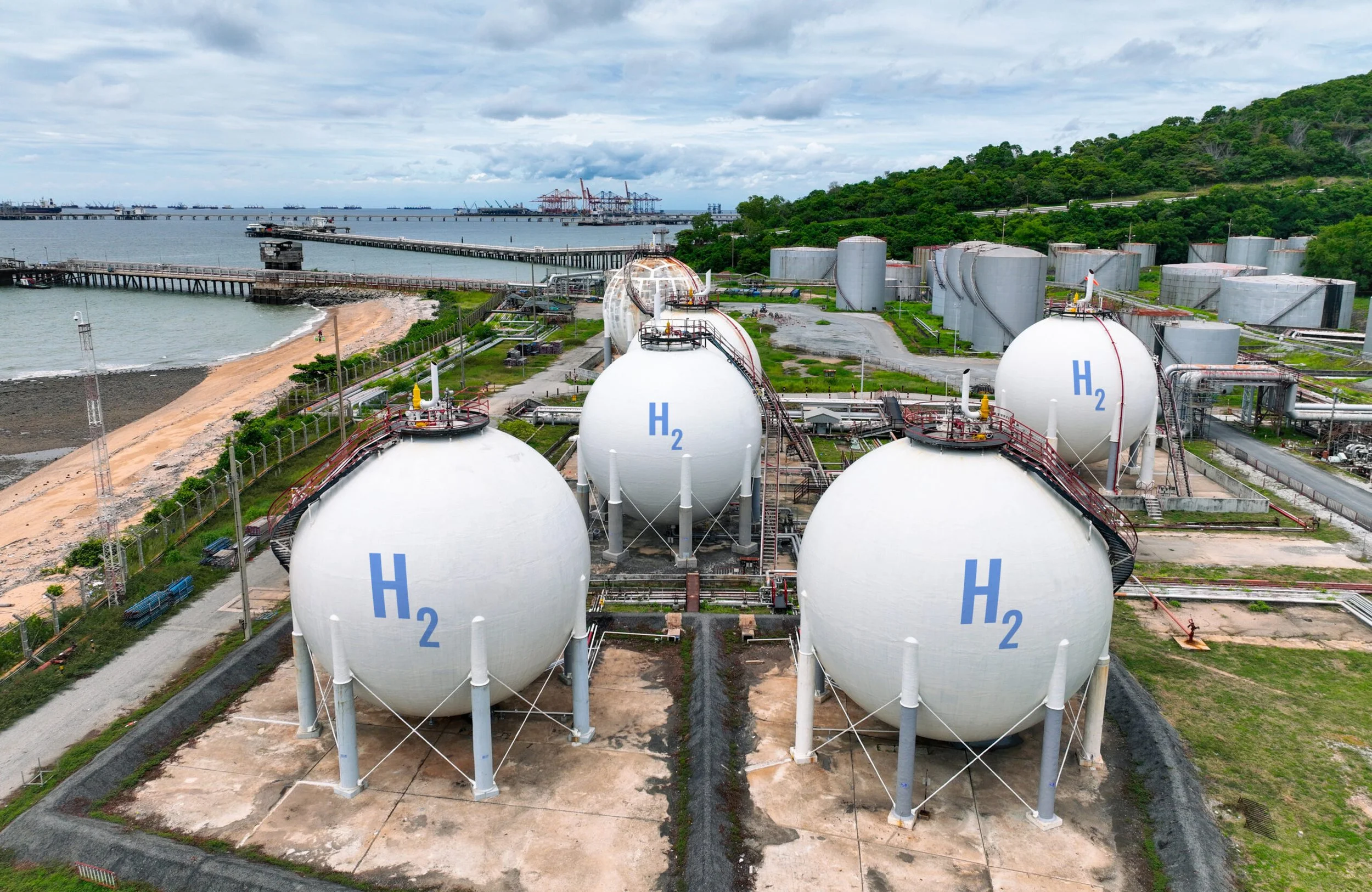
Hydrogen is becoming a central part of many countries’ energy transition strategies. However, transporting and controlling hydrogen presents unique challenges.
Hydrogen molecules are extremely small and can permeate materials more easily than natural gas or oil. Because of this, systems handling hydrogen must prioritise exceptionally tight sealing performance and specialised material selection.
Engineers specifying valves for hydrogen service often focus on:
• Metal seated valves for improved durability
• Enhanced sealing systems to prevent leakage
• Materials resistant to hydrogen embrittlement
• Precision machining for tight tolerances
As hydrogen production and distribution projects expand across Europe, the Middle East, and North America, the demand for hydrogen-ready valves is rising quickly.
Cryogenic Applications Continue to Expand
Another major growth driver is the continued expansion of cryogenic processing, particularly within LNG and industrial gas sectors.
Cryogenic valves must operate reliably at extremely low temperatures, often below -196°C, where many standard materials become brittle.
To manage this, cryogenic valves typically include specialised features such as:
• Extended bonnets to protect packing from low temperatures
• Stainless steel or low-temperature alloys
• Precision sealing surfaces
• Controlled thermal expansion design
LNG export facilities, hydrogen liquefaction plants, and industrial gas infrastructure are all contributing to increased demand for cryogenic valve technology.
High-Pressure Industrial Systems Are Expanding
Industrial processes are also pushing valves to operate at increasingly high pressures. Applications such as energy generation, chemical processing, and advanced manufacturing rely on equipment that can safely contain and regulate extreme conditions.

In these environments, valve design must account for:
• High pressure ratings and pressure classes
• Reinforced body construction
• Metal-to-metal sealing options
• Precision control capabilities
Valves used in these systems are not only responsible for controlling flow but also for maintaining the integrity of pressure boundaries across the entire piping system.
Materials & Engineering Standards Are Evolving
With these demanding applications growing, material science is becoming a critical part of valve design.
Manufacturers are investing in improved alloys and coatings that can withstand aggressive environments while maintaining long service life.
Common developments include:
• Duplex and super duplex stainless steels
• Nickel-based alloys for corrosion resistance
• Improved casting and forging standards
• Advanced machining for tighter tolerances
At the same time, engineers are placing greater emphasis on compliance with international standards such as ASME, API, and EN pressure systems to ensure compatibility across global infrastructure projects.
Digital Monitoring & Smart Valve Technology
Beyond materials and pressure ratings, another major trend is the rise of digital monitoring and smart valve technology.
Modern plants are increasingly integrating valves into predictive maintenance systems.
Sensors and monitoring platforms can now track performance data such as:
• Valve position and stroke behaviour
• Leakage indicators
• Actuator torque or operating force
• Temperature and vibration levels
This allows operators to identify potential failures before they occur, reducing downtime and improving overall plant efficiency.
A Growing Market Across Multiple Industries
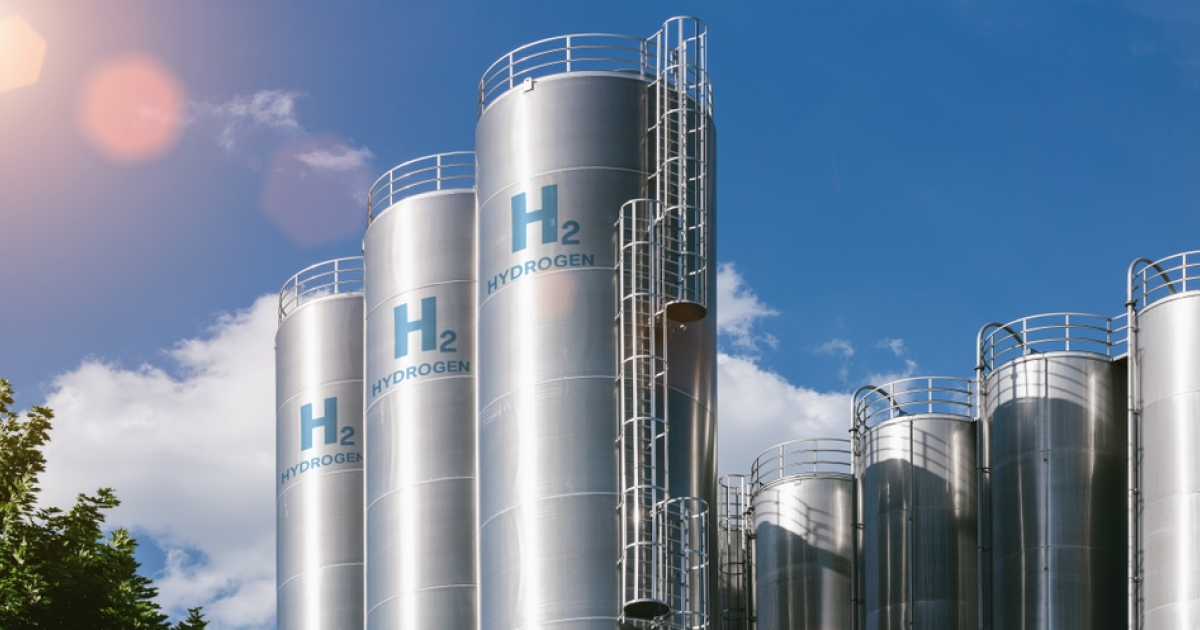
The combined effect of hydrogen infrastructure, LNG expansion, and advanced industrial processing is creating sustained growth across the valve market.
Industries driving demand include:
• Energy and power generation
• LNG and industrial gas facilities
• Chemical processing plants
• Water and desalination infrastructure
• Hydrogen production and transport networks
Across all these sectors, one thing remains constant — valves are critical safety and control components within fluid systems.
Wrap Up
The industrial valve market in 2026 is being shaped by a new generation of energy and infrastructure projects. Hydrogen networks, cryogenic processing facilities, and high-pressure industrial systems are all placing greater demands on valve performance.
As a result, manufacturers are focusing on advanced materials, specialised valve designs, and smarter monitoring technologies to meet these requirements.
While valves may appear to be simple mechanical devices, their role in modern industrial systems is more important than ever.