How Smart Positioners Are Transforming Control Valve Accuracy in Process Plants

Control valves are the backbone of modern process plants. Whether controlling steam flow, chemical dosing, water pressure, or gas distribution, the accuracy of a control valve directly affects process stability, efficiency, and safety.
In recent years, the development of smart valve positioners has dramatically improved how control valves perform. Innovations such as the Rotork RTP-4000 intelligent valve positioner and similar digital positioners from major automation manufacturers are giving engineers better visibility, tighter control, and powerful diagnostic capabilities.
Instead of simply positioning a valve, modern positioners are becoming intelligent control devices that actively optimise valve performance.
WHAT IS A VALVE POSITIONER?
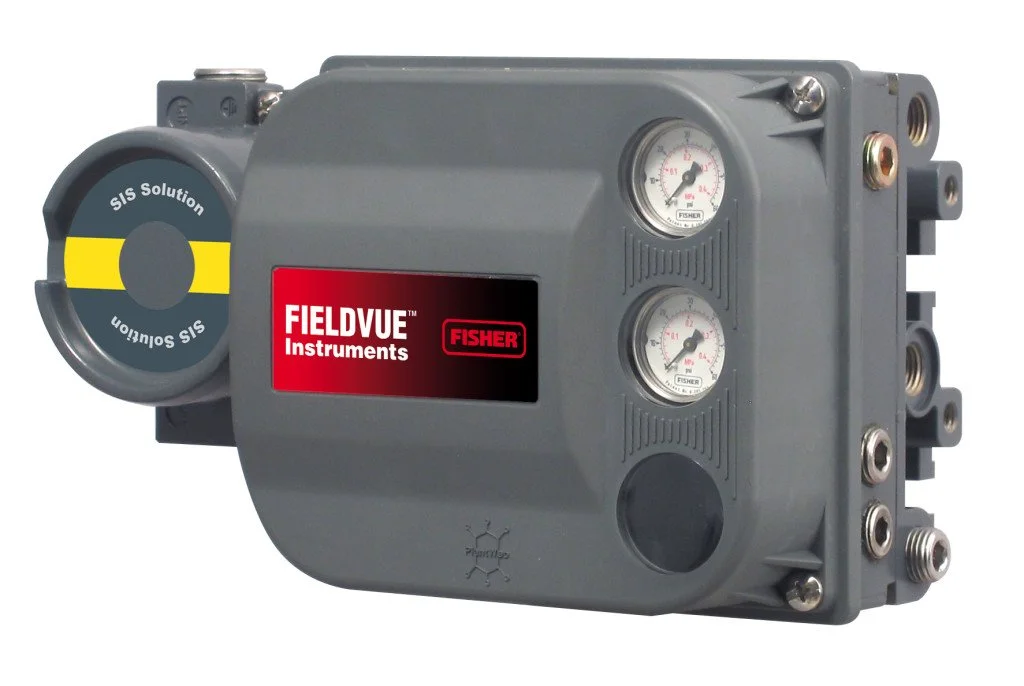
A valve positioner is a device mounted on a control valve actuator that ensures the valve reaches and maintains the correct position based on a control signal.
In traditional systems, a positioner receives a 4–20 mA signal from a controller and adjusts the actuator pressure to move the valve accordingly.
The purpose is simple but critical:
• Ensure the valve reaches the correct position quickly
• Maintain accuracy despite pressure changes
• Improve response to control signals
Without a positioner, control valves may respond slowly or inaccurately, leading to unstable process conditions.
WHY SMART POSITIONERS ARE DIFFERENT
Modern smart positioners go far beyond basic positioning.
Digital devices such as Rotork’s RTP-4000 integrate advanced microprocessors, communication protocols, and diagnostic capabilities that significantly improve control accuracy.
Key advantages include:
• Self-calibration and automatic setup
• Continuous valve performance monitoring
• Digital communication with plant control systems
• Early detection of mechanical issues
These capabilities allow operators to move from reactive maintenance to predictive maintenance strategies.
HOW SMART POSITIONERS IMPROVE CONTROL ACCURACY
Process plants depend on extremely stable control loops. Even small variations in valve response can affect product quality, energy usage, or safety margins.
Smart positioners improve performance in several ways.
First, they continuously measure valve position and adjust actuator pressure in real time. This ensures precise positioning even when process conditions fluctuate.
Second, advanced control algorithms reduce overshoot and oscillation, which helps maintain stable flow, pressure, or temperature control.
Finally, digital communication enables the control system to monitor valve behaviour more closely, ensuring the valve responds exactly as expected.
The result is more stable control loops and improved process efficiency.
THE ROLE OF DIAGNOSTICS & CONDITION MONITORING
One of the most valuable features of smart positioners is their diagnostic capability.
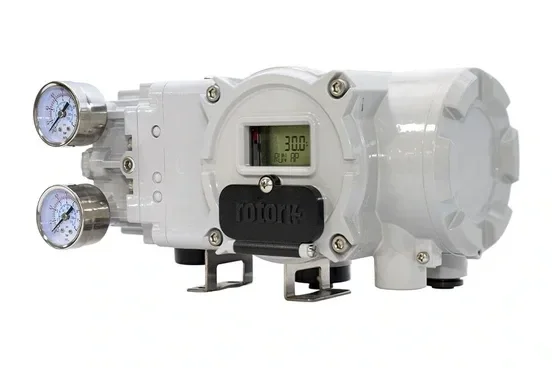
Devices like the RTP-4000 can monitor parameters such as:
• Valve travel behaviour
• Actuator response time
• Air supply pressure
• Stem friction and wear
This information allows maintenance teams to detect issues long before they cause failure.
For example, increasing actuator friction may indicate packing wear or mechanical misalignment. With smart diagnostics, these issues can be addressed during planned maintenance rather than causing unexpected shutdowns.
In large process facilities, this shift toward predictive maintenance can save significant operational costs.
WHERE SMART POSITIONERS ARE MAKING THE BIGGEST IMPACT
Smart positioners are now widely used across multiple industries, including:
• Oil & gas processing plants
• Chemical manufacturing facilities
• Water and wastewater treatment plants
• Power generation stations
• Food and pharmaceutical production
Any application requiring accurate, repeatable flow control benefits from intelligent valve positioning.
As digitalisation continues across industrial automation, smart positioners are becoming standard equipment rather than optional upgrades.
THE FUTURE OF CONTROL VALVE TECHNOLOGY
The evolution of smart positioners is part of a broader shift toward digitally connected process plants.
Future developments are expected to include:
• Increased integration with industrial IoT platforms
• Advanced predictive maintenance analytics
• Cloud-based valve performance monitoring
• Greater cybersecurity integration for control devices
As plants become more automated and data-driven, positioners will play an even larger role in maintaining process reliability.
Smart valve positioners are transforming the performance of control valves across modern process industries. Devices such as the Rotork RTP-4000 demonstrate how digital technology can improve positioning accuracy, enhance diagnostics, and support predictive maintenance.
For engineers and operators, this means better process stability, reduced downtime, and greater confidence in valve performance.
In an industry where precision and reliability matter, smart positioners are quickly becoming an essential part of the control valve ecosystem.