Electric Actuator Breakthroughs: Compact, Multi-Voltage Designs Leading Innovation in 2026
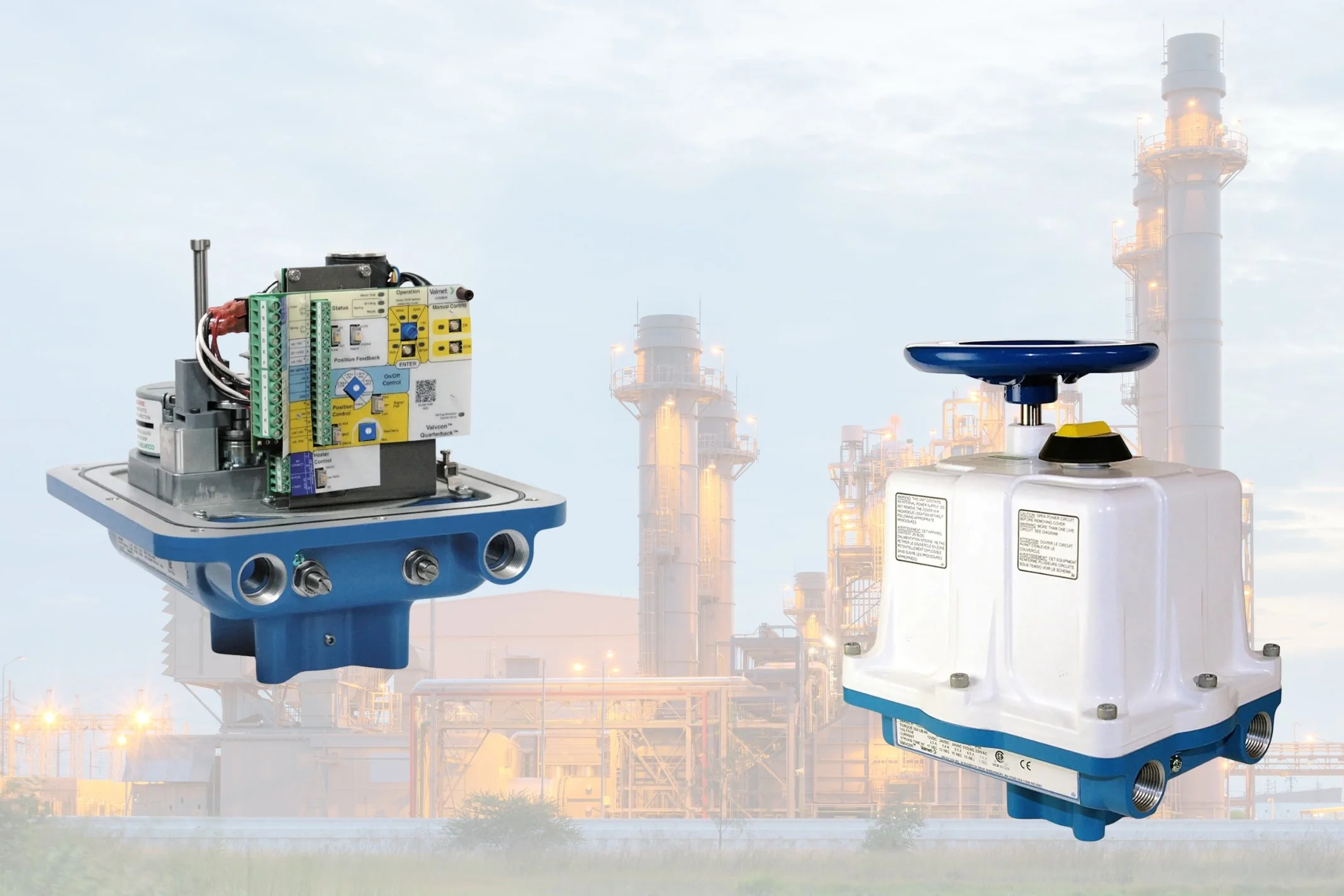
Electric actuators have become a cornerstone of modern industrial automation. Used to operate valves, dampers, and mechanical systems across industries, they allow engineers to precisely control flow, pressure, and movement without relying on compressed air systems.
In 2026, a new generation of electric actuators is emerging that focuses on compact design, multi-voltage compatibility, and smarter digital integration. Manufacturers such as Valmet, Resideo, and SMC are introducing actuator technologies that reduce installation complexity while improving operational flexibility.
This shift reflects a broader trend in industrial automation: equipment must be simpler to install, easier to integrate, and capable of operating across multiple control environments.
WHAT IS DRIVING ELECTRIC ACTUATOR INNOVATION
Several industry pressures are accelerating actuator development.
Process plants are becoming more automated, and facilities increasingly require actuators that can integrate seamlessly into digital control systems, building management platforms, and remote monitoring networks.
Key industry drivers include:
• Increased adoption of electric actuation over pneumatic systems
• Demand for reduced installation complexity
• Greater integration with automation networks
• Energy efficiency improvements
• Reduced maintenance requirements
As plants modernise, the ability to deploy actuators quickly and reliably is becoming just as important as performance.
THE RISE OF MULTI-VOLTAGE ACTUATORS
One of the most practical innovations appearing in new actuator designs is multi-voltage capability.
Traditionally, actuators were manufactured to operate on a specific voltage supply, such as 24 V, 110 V, or 230 V. This often required engineers to match power infrastructure precisely during installation.
New actuator designs are increasingly able to operate across multiple voltage ranges. This provides several advantages:
• Simplified system design
• Reduced product variations for manufacturers
• Easier upgrades or retrofits
• Lower inventory requirements for suppliers
For engineering teams, multi-voltage actuators make installations more flexible and reduce the risk of incorrect specification.
COMPACT DESIGN FOR MODERN PLANT LAYOUTS
Another major development is the push toward smaller, more compact actuator designs.
Industrial facilities are increasingly space constrained, particularly in retrofit environments where new automation equipment must fit into existing pipework and valve installations.
Compact actuator designs allow:
• Easier mounting on small valves
• Reduced weight on pipework
• Improved installation accessibility
• Lower transportation and handling costs
This is particularly valuable in HVAC systems, water treatment plants, and process skids where equipment density continues to increase.
SMART CONTROL AND DIGITAL INTEGRATION
Alongside mechanical improvements, electric actuators are becoming more intelligent.
Many modern designs now include features such as:
• Digital feedback signals
• Integrated position sensors
• Remote configuration capability
• Diagnostic monitoring
These features allow actuators to communicate with PLCs, SCADA systems, and building management systems.
For operators, this means better visibility of valve position, actuator health, and system performance — enabling more proactive maintenance planning.
REAL-WORLD EXAMPLES OF 2026 ACTUATOR INNOVATION
Several manufacturers are pushing these developments forward.
Valmet has introduced electric actuator technology designed to maintain reliable valve positioning even during power interruptions, improving operational safety in process plants.
Resideo has developed actuator solutions aimed at building automation and HVAC systems, where compact design and easy integration with BMS platforms are essential.
SMC continues to expand its automation portfolio with smart pneumatic and electric control technologies that emphasise remote adjustment and improved control precision.
Together, these innovations demonstrate how actuator manufacturers are adapting to the needs of increasingly automated industries.
THE FUTURE OF ELECTRIC ACTUATION
Looking ahead, electric actuator technology is expected to continue evolving alongside broader industrial digitalisation.
Future developments may include:
• Greater integration with industrial IoT platforms
• Enhanced energy efficiency monitoring
• More advanced self-diagnostic systems
• Improved cybersecurity for connected devices
As automation systems grow more complex, actuators will increasingly function not just as mechanical devices but as intelligent components within digital control networks.
Electric actuators are undergoing rapid evolution as manufacturers respond to the demands of modern automation. The latest generation of compact, multi-voltage actuators demonstrates how innovation is improving installation flexibility, operational reliability, and system integration.
With manufacturers like Valmet, Resideo, and SMC leading development, the role of electric actuators in industrial control systems will continue to expand.
In the coming years, actuators will become smarter, more adaptable, and more deeply integrated into digital process infrastructure, helping plants operate more efficiently and reliably.