The Methane Ban: 2026’s Global Compliance "Squeeze" and the End of Routine Venting

BRUSSELS, BELGIUM — As of February 2026, the era of "allowable leaks" has officially ended. With the EU Methane Regulation (2024/1787) now in full force and the U.S. EPA’s Subpart OOOOb transition deadlines looming, the oil and gas industry is facing its most aggressive regulatory pivot in decades.
The headline for 2026 isn't just about production volume; it's about "Continuous Integrity." Under these new rules, routine venting and flaring are effectively banned, and for the first time, operators are being held legally accountable for the "molecular health" of their entire infrastructure—including inactive and plugged wells.
The $27 Billion Market Response
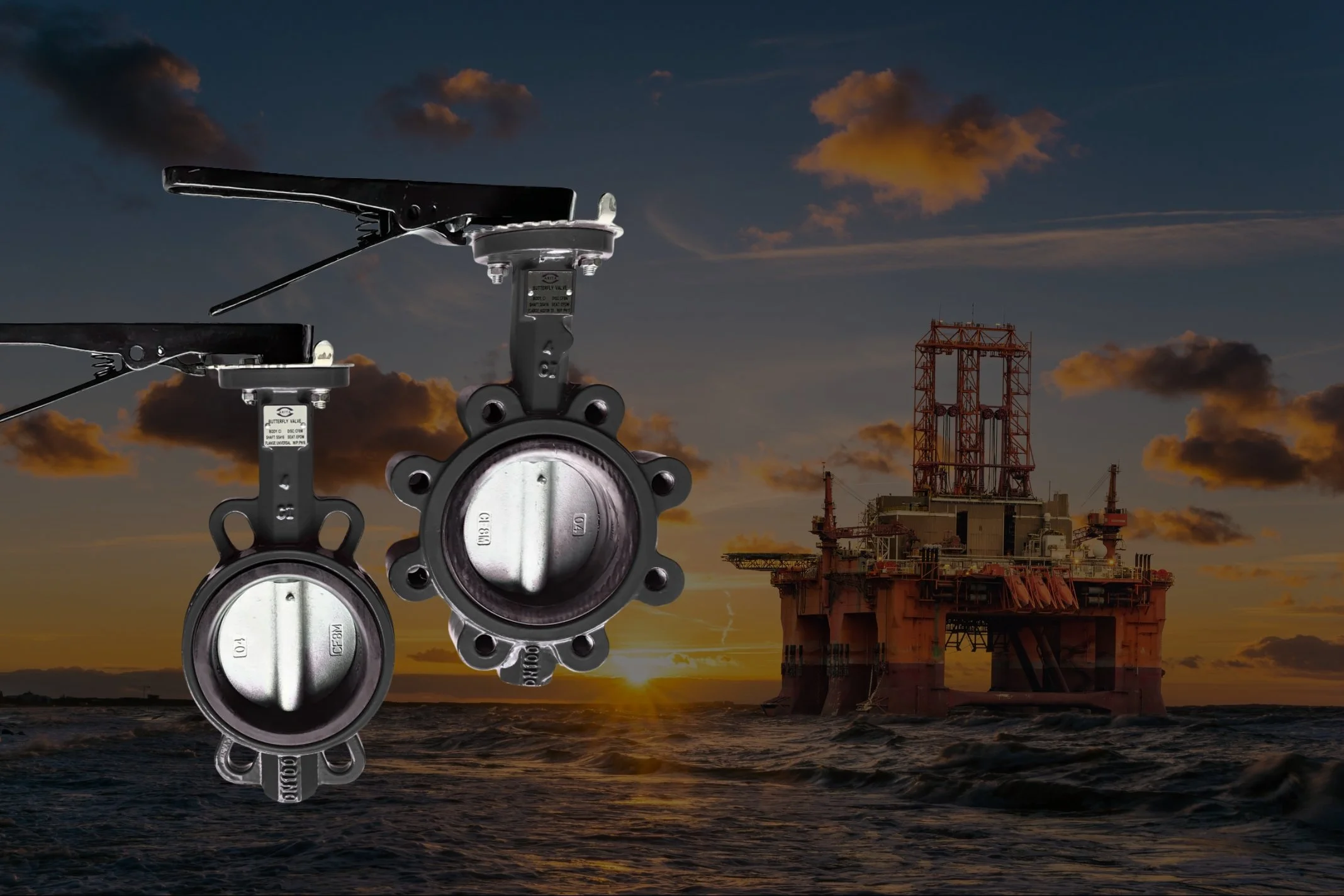
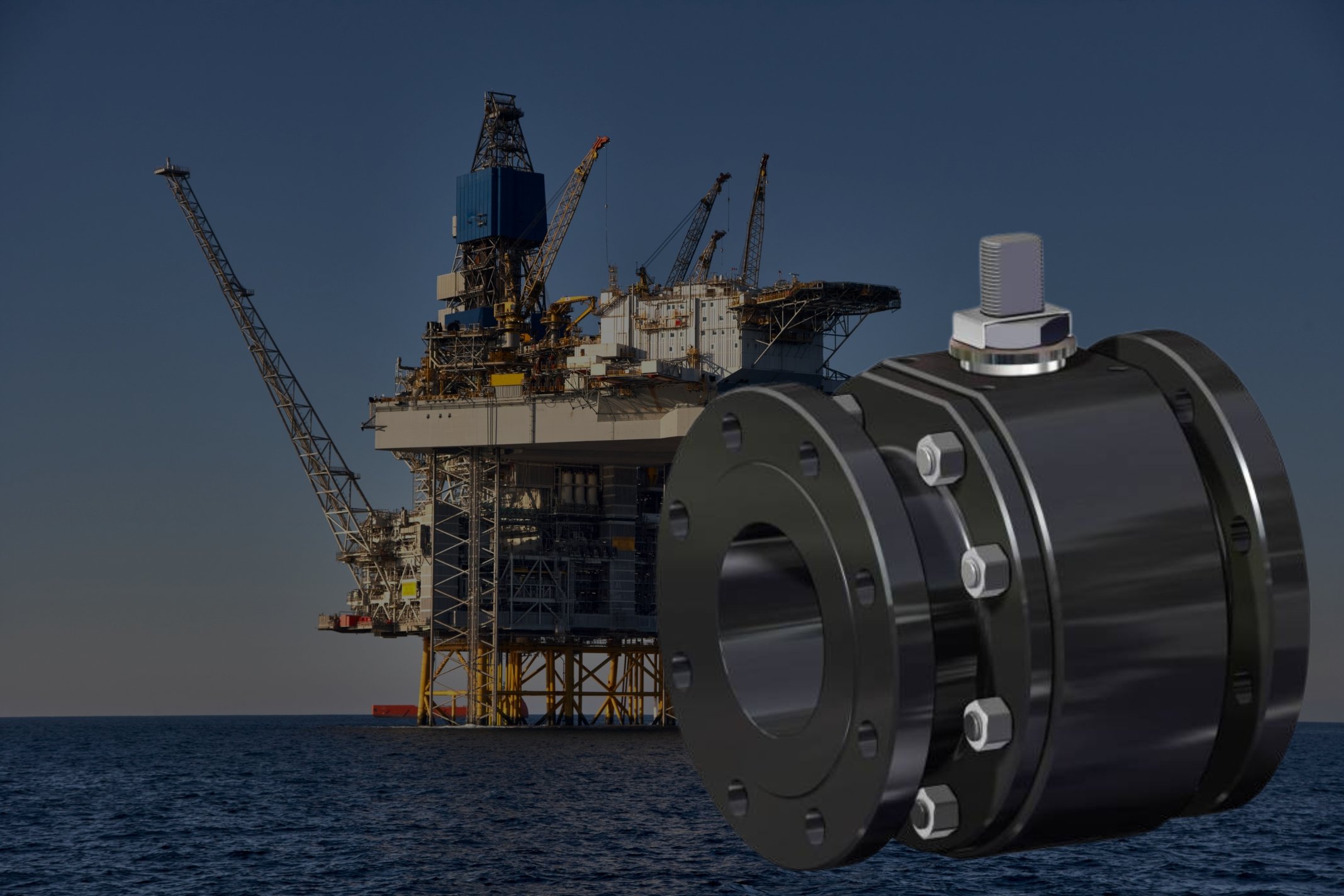
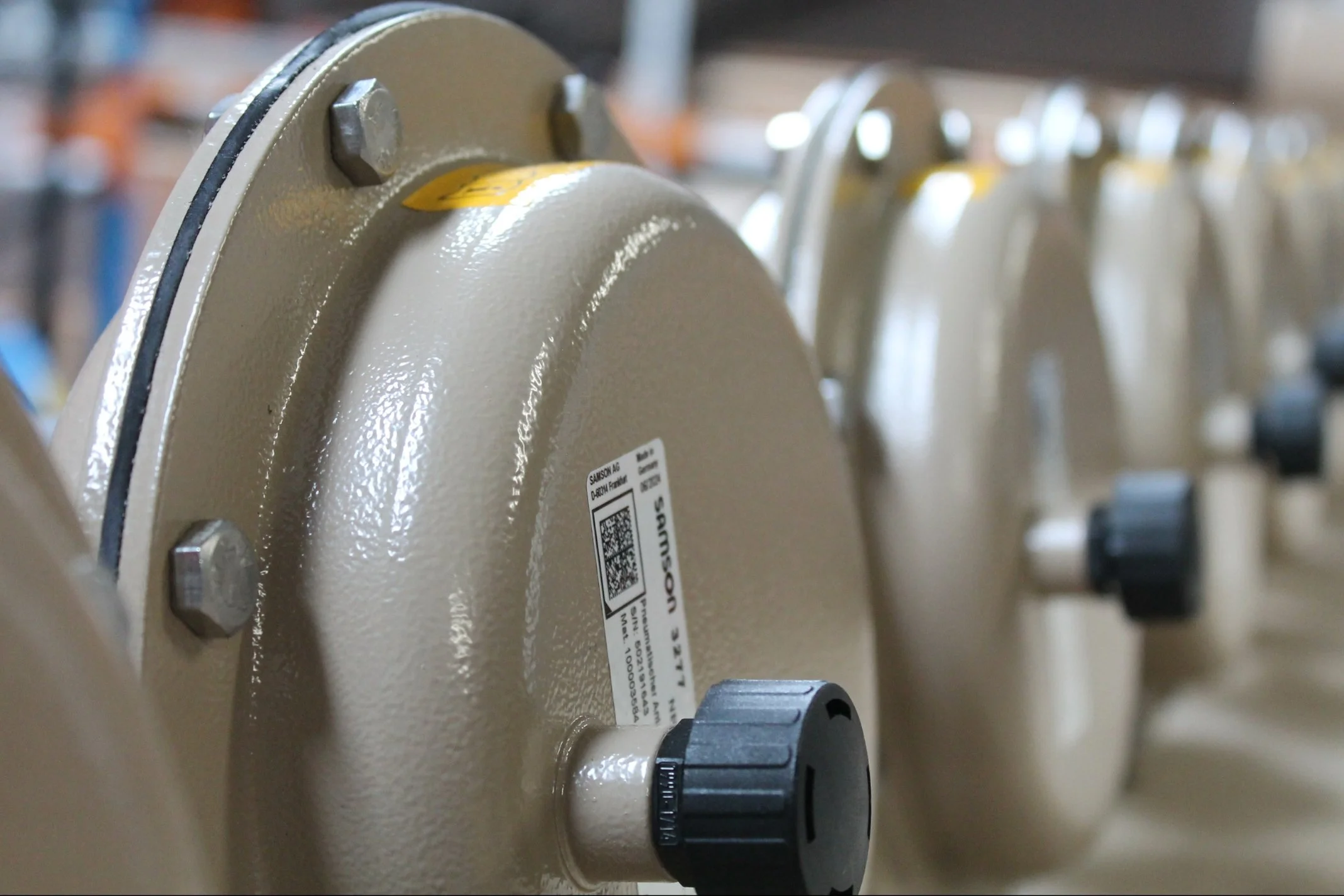
According to industry data released this January, the global flow control equipment market is projected to surge to $27.5 billion by the end of 2026. This growth isn't being driven by new exploration alone, but by a massive "brownfield" upgrade cycle. Companies are rushing to replace aging valve stacks with Zero-Emission Process Controllers to avoid the "effective, proportionate, and dissuasive" penalties now being levied by member states.
"In 2026, a leak is no longer just a maintenance ticket; it's a board-level compliance failure," says a regulatory analyst at the Energy Infrastructure Forum. "The definition of 'Loss of Containment' has expanded. We are moving from preventing explosions to preventing even the smallest non-flammable micro-leaks."
Satellite Surveillance: No Place to Hide
The most disruptive news for 2026 is the activation of the "Super-Emitter Program." For the first time, EPA-approved third parties and NGOs are using high-resolution satellites—like the recently launched Tanager-1—to identify methane plumes from space.
48-Hour Notification: Operators in the EU must now notify authorities of "significant venting events" within 48 hours of detection.
Continuous Monitoring (CEMS): Snapshot surveys are being replaced by Continuous Emissions Monitoring Systems that provide real-time sampling, ensuring high-volume, short-duration events are no longer missed.
The "Low-Methane" Premium
The move toward zero-emissions is also reshaping the global market. Natural gas is increasingly being sold with "Low Methane Intensity" certification. In 2026, gas that cannot prove its "tight" transport history is being locked out of premium European and Asian markets, or hit with heavy carbon border taxes.
Industry Pivot: Operators are now using Layer of Protection Analysis (LOPA) to treat methane sensors as an "Independent Protection Layer," giving emissions the same technical weight as fire and explosion prevention.
The Bottom Line
The mandate for the remainder of 2026 is clear: Tighten up or pay up.
By integrating advanced relief system modeling with satellite-verified monitoring, the industry is attempting to prove that natural gas can still function as a "bridge fuel" in a net-zero world.
The leaders of 2026 are those who view methane abatement not as a cost, but as a critical asset integrity strategy.