PN VS ANSI RATINGS
In industrial valve specification, few topics cause more confusion than PN vs ANSI pressure ratings. Both systems define pressure capability, yet they originate from different standards frameworks and use different classification methods.
For engineers, procurement teams, and contractors working across global projects, understanding the difference between PN and ANSI ratings is critical. Incorrect interpretation can lead to mismatched flanges, unsafe installations, or non-compliant systems.
This guide explains what PN and ANSI ratings mean, how they differ, and how to correctly interpret them when specifying valves.
What Does PN Mean?
PN stands for “Pressure Nominal” and is part of the European metric standard system governed by EN (European Norm) and ISO standards.
PN ratings indicate the maximum allowable working pressure in bar at a reference temperature of 20°C.
Common PN ratings include:
PN6 / PN10 / PN16 / PN25 / PN40 / PN63 / PN100
For example:
A PN16 valve is designed to withstand 16 bar at 20°C under standard conditions.
However, pressure capacity decreases as temperature increases. The PN number itself does not show temperature derating — this must be checked against material-specific pressure-temperature tables.
PN ratings are widely used across:
Europe
UK infrastructure
Water and wastewater systems
District heating
General industrial systems
What Does ANSI Mean?
ANSI ratings originate from American standards, particularly ASME B16.5 and ASME B16.34.
While often referred to as ANSI, the correct technical reference is ASME pressure class.
Common ANSI (ASME) pressure classes include:
Class 150 / Class 300 / Class 600 / Class 900 / Class 1500 / Class 2500
Unlike PN, ANSI pressure classes are not directly expressed in pressure units.
For example:
A Class 150 valve does not mean 150 psi maximum pressure.
Instead, the allowable pressure depends on:
Material grade
Temperature
ASME pressure-temperature tables
For carbon steel at ambient temperature, Class 150 typically allows around 19.6 bar (285 psi). But this varies depending on temperature.
ANSI ratings are common in:
Oil and gas
Petrochemical
Power generation
International EPC projects
Key Differences Between PN and ANSI Ratings
1. Measurement System
PN uses metric (bar).
ANSI uses imperial-based class designations.
PN numbers directly reference bar pressure at ambient conditions. ANSI classes require consulting ASME tables.
2. Flange Dimensions
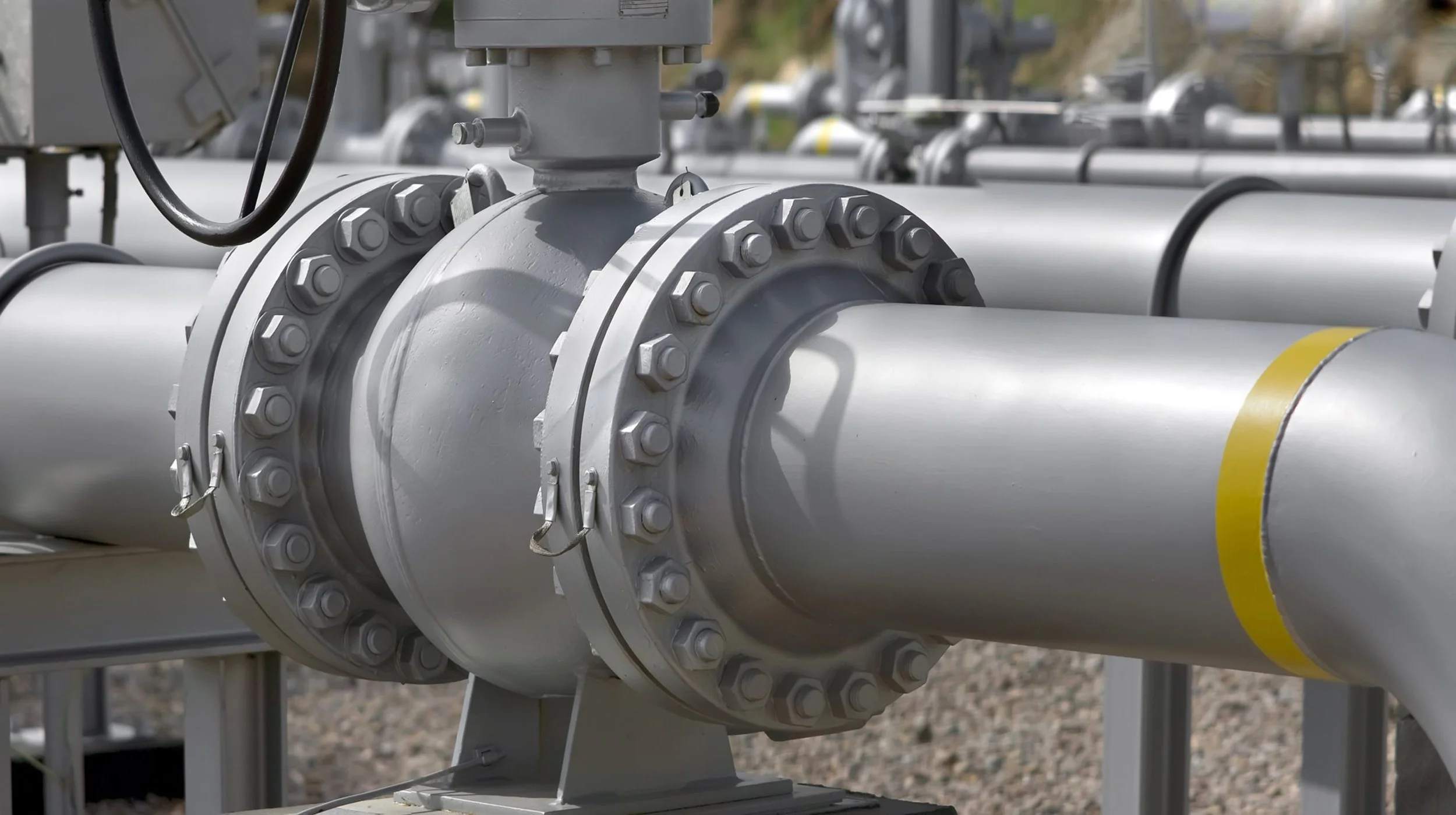
Even if pressure capability appears similar, PN and ANSI flanges are not interchangeable.
Bolt circle diameters, bolt sizes, and drilling patterns differ between EN and ASME standards.
For example:
PN16 flange ≠ Class 150 flange
PN40 flange ≠ Class 300 flange
Attempting to mix them can result in alignment failure and unsafe installation.
3. Temperature Derating
Both systems require checking pressure-temperature ratings, but the methodology differs.
ANSI ratings are inherently linked to material-specific pressure-temperature charts.
PN ratings assume a base pressure at 20°C, requiring separate derating tables for higher temperatures.
This distinction is especially important in steam systems and high-temperature process environments.

Approximate Comparison Guide
While PN and ANSI cannot be directly converted, approximate comparisons are sometimes used for guidance:
PN16 ≈ Class 150 (in many ambient applications)
PN40 ≈ Class 300 (rough comparison)
However, these are only general guidelines.
Always verify against pressure-temperature tables and flange standards before specifying or installing.
When to Use PN vs ANSI
The choice often depends on:
Project specification
Geographic standards
Industry sector
Client requirements
UK water infrastructure projects typically use PN ratings. Oil & gas projects often follow ASME Class standards.
On multinational projects, both systems may appear within the same specification package, requiring careful coordination.
Why Understanding PN vs ANSI Matters
Incorrect interpretation of PN vs ANSI ratings can result in:
Flange misalignment
Incorrect bolt selection
Pressure rating mismatch
System leaks
Compliance failures
In severe service environments, these errors can compromise safety.
Understanding the distinction ensures:
Correct flange compatibility
Accurate pressure capability
Compliance with regional standards
Reduced installation risk
Conclusion
PN and ANSI pressure ratings both define allowable pressure limits, but they are built on different standards frameworks.
PN ratings are metric and reference bar at 20°C.
ANSI (ASME) classes are material- and temperature-dependent designations.
They are not directly interchangeable, and flange dimensions differ even when pressure ranges appear similar.
For engineers and procurement teams, the key takeaway is simple:
Always check the governing standard, confirm flange compatibility, and verify pressure-temperature tables before specification or installation.
Understanding PN vs ANSI ratings is not just a technical detail — it is fundamental to safe and compliant valve selection.