WAFER VS LUGGED BUTTERFLY VALVES
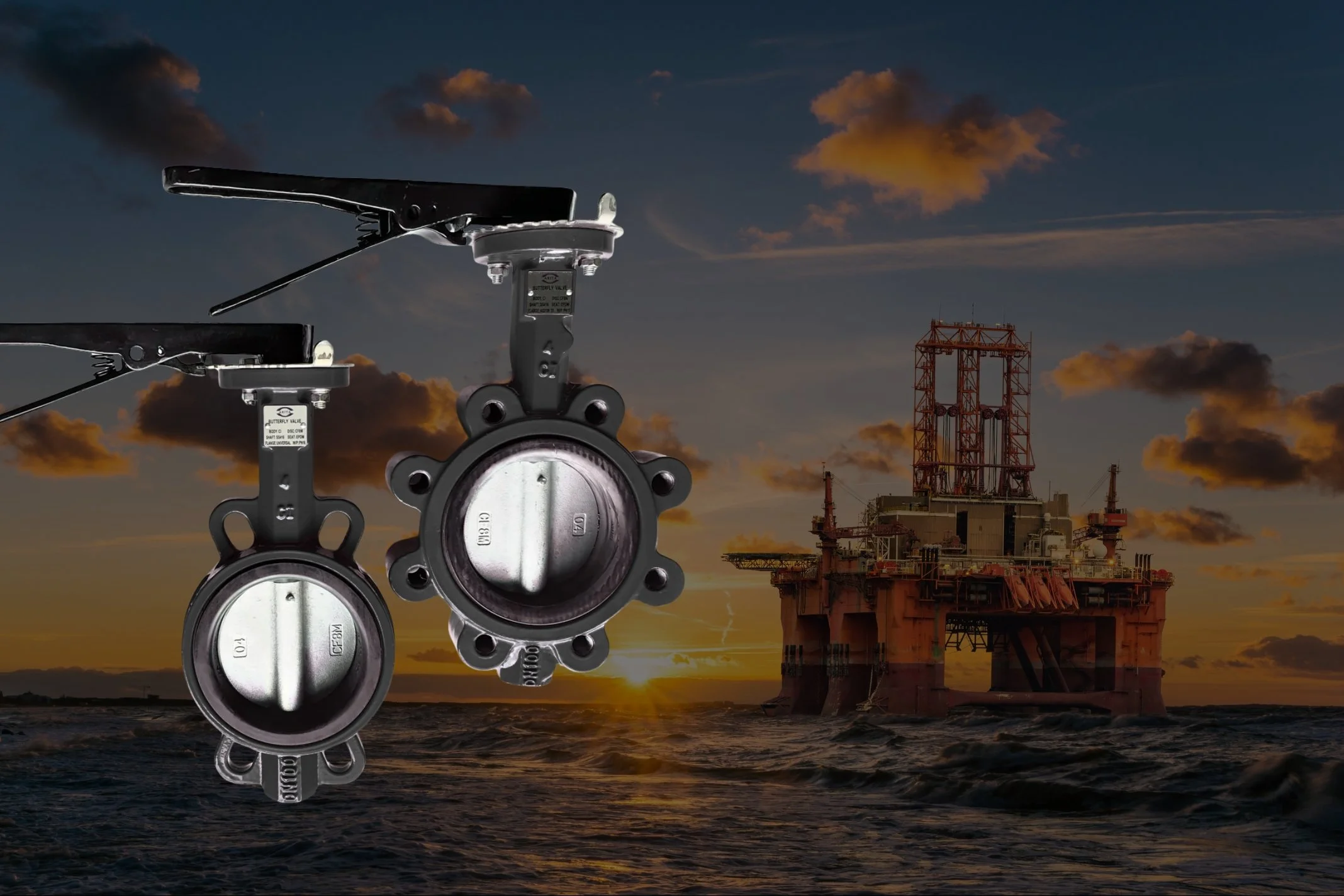
Butterfly valves are widely used across water, HVAC, energy, and industrial systems due to their compact design, cost efficiency, and suitability for large diameters. However, one of the most common specification decisions engineers face is choosing between wafer vs lugged butterfly valves.
While both types use the same quarter-turn rotating disc principle, their mounting style and application suitability differ significantly. Understanding these differences is essential to ensure correct installation, maintenance flexibility, and system safety.
What Is a Wafer Butterfly Valve?
A wafer butterfly valve is designed to fit between two flanges and is held in place by the flange bolts that pass through both flanges and around the valve body.
The valve body itself does not have threaded bolt holes. Instead, it relies on the pipeline flange bolts to secure it in position.
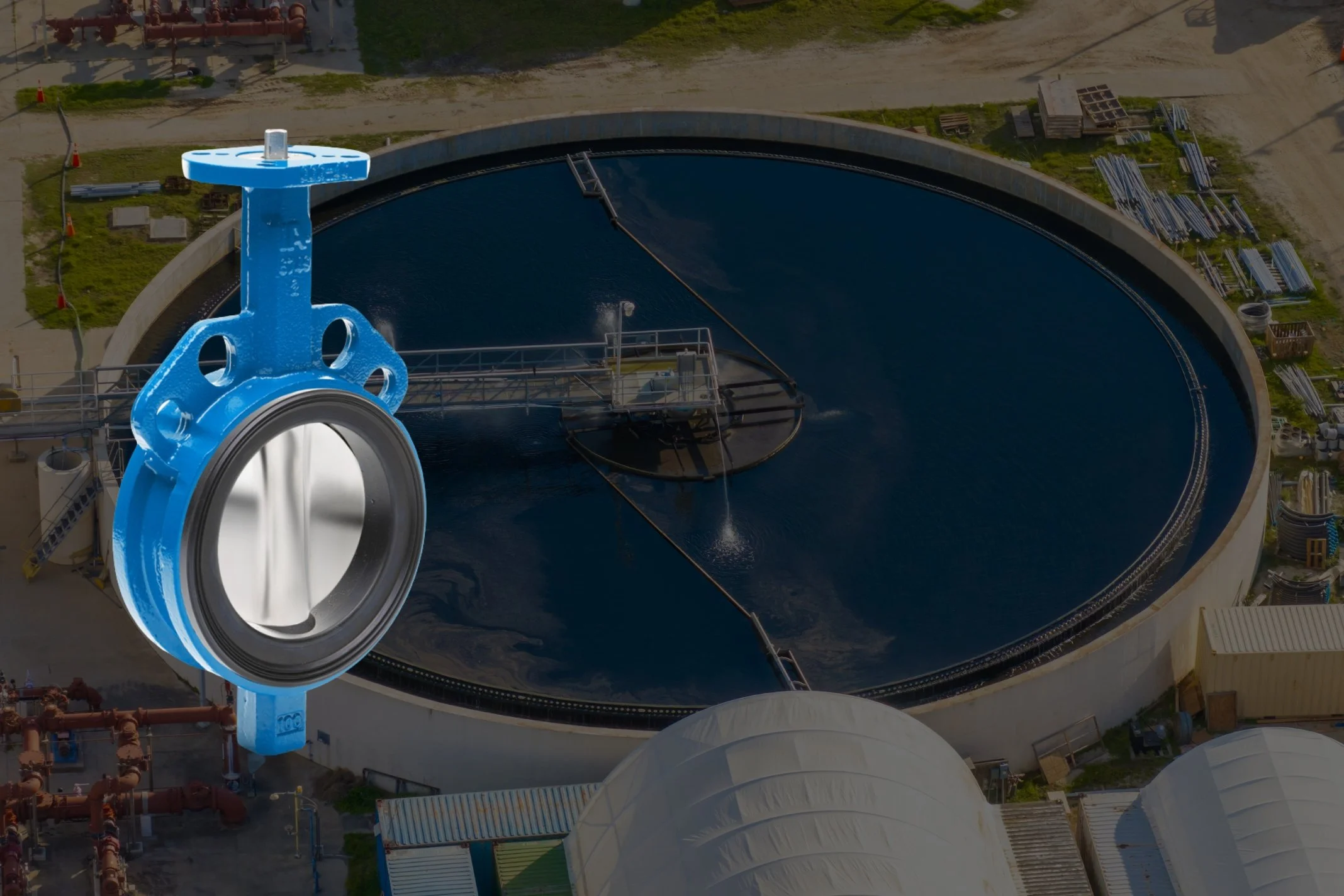
Key characteristics of wafer butterfly valves:
Slim, compact body design
Lower weight compared to lugged versions
Cost-effective
Suitable for systems where downstream isolation is not required
Because the valve is clamped between flanges, it cannot independently isolate one side of the pipeline. Removing downstream piping while the valve remains in place is generally not recommended.
Wafer butterfly valves are commonly used in:
HVAC systems
Water distribution
General industrial systems
Low to medium pressure applications
They are particularly attractive where space is limited and installation simplicity is important.
What Is a Lugged Butterfly Valve?
A lugged butterfly valve features threaded inserts (lugs) around the valve body. Each bolt hole is individually threaded, allowing the valve to be bolted directly to one flange at a time.
This design provides a key advantage:
Lugged valves can isolate one side of the pipeline while the other side remains connected.
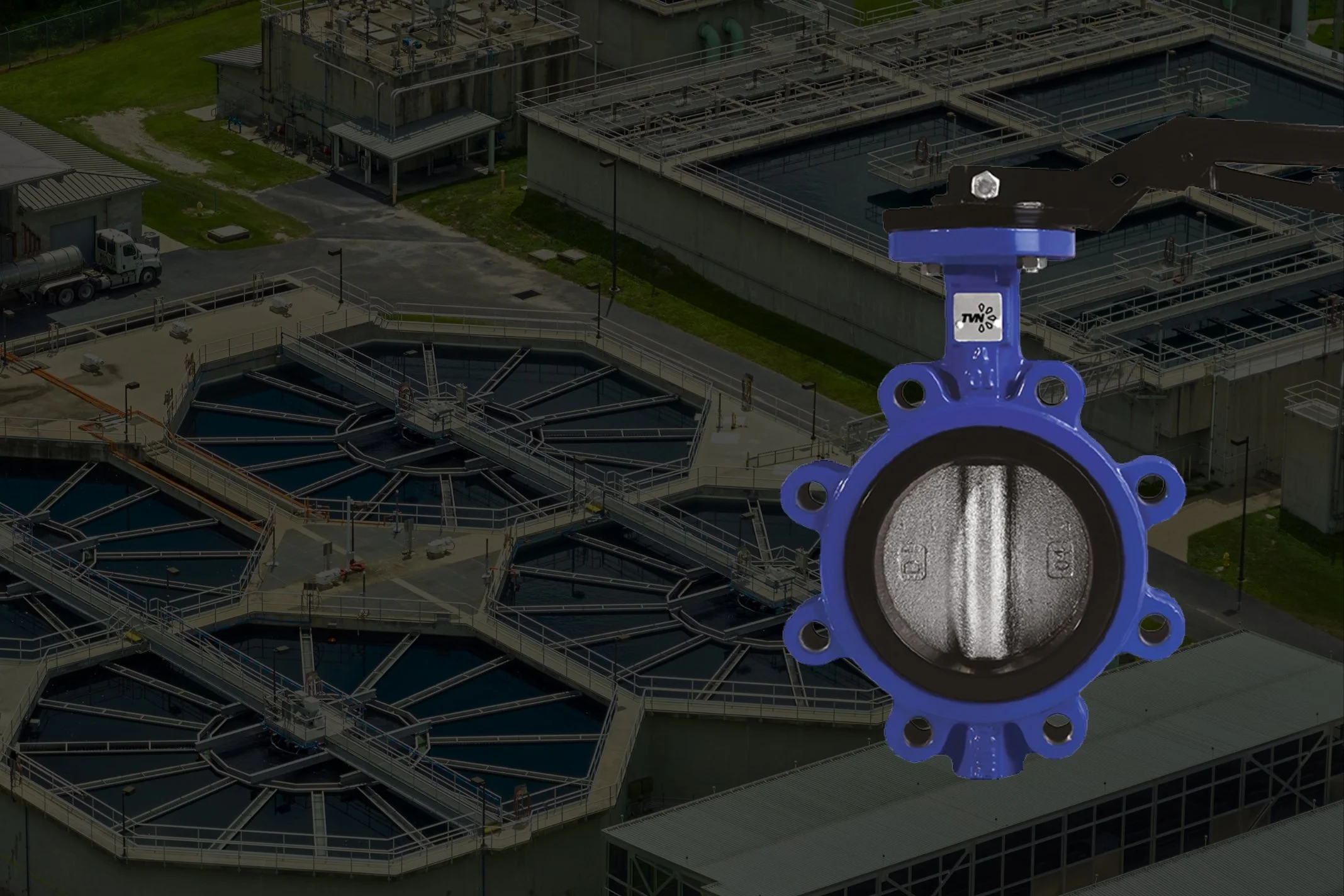
Key characteristics of lugged butterfly valves:
Threaded bolt holes
Heavier body construction
Allows dead-end service (in some cases)
Suitable for maintenance isolation
Because each flange connection is independent, a lugged valve can remain mounted on one side of the pipeline while the opposite flange is removed.
This makes lugged valves common in:
Process plants
Maintenance-critical systems
Oil & gas applications
Systems requiring sectional isolation
Installation Differences
The primary distinction in wafer vs lugged butterfly valves lies in installation method.
Wafer Installation
Positioned between two flanges
Bolts pass through both flanges
Valve body has alignment holes only
No independent flange connection
Installation requires proper centring between flanges to prevent disc interference.
Lugged Installation
Bolts thread directly into valve body
Each side can be independently secured
Can be installed as end-of-line valve (if rated for it)
The threaded lug design offers more flexibility in piping layout and maintenance planning.
Pressure & Structural Considerations
Structurally, lugged valves are generally stronger due to the threaded body design and thicker casting.
However, pressure rating is determined by valve class (PN or ANSI), not solely by wafer or lug style.
Both wafer and lugged butterfly valves can be manufactured in:
PN10 / PN16 / PN25 / Class 150 / Class 300
The key structural difference lies in how the pipeline load is transferred through the valve body.
In wafer designs, the flanges compress the valve evenly. In lugged designs, the body carries more independent load due to the threaded bolt engagement.
Maintenance & Operational Flexibility
When comparing wafer vs lugged butterfly valves, maintenance strategy is often the deciding factor.
Wafer valves:
Lower initial cost
Suitable where full system shutdown is acceptable
Simpler installation
Lugged valves:
Allow one-sided pipeline removal
Provide greater flexibility for staged maintenance
Often preferred in process environments
If the system requires frequent inspection or section isolation, lugged valves typically offer operational advantages.
Cost Considerations
Wafer butterfly valves are generally less expensive due to:
Simpler body design
Lower material usage
Reduced machining
Lugged valves require:
Threaded inserts or casting
Additional machining
More material mass
As a result, lugged designs typically cost more than wafer equivalents.
However, cost should be evaluated against long-term maintenance needs and operational downtime risk.
When to Choose Wafer vs Lugged
Choose a wafer butterfly valve when:
The system is low to medium pressure
Budget sensitivity is important
Full shutdown during maintenance is acceptable
The valve will remain sandwiched permanently
Choose a lugged butterfly valve when:
One-sided pipeline removal may be required
Section isolation is important
Maintenance flexibility is critical
The valve may be installed at end-of-line (if rated)

Conclusion
Wafer and lugged butterfly valves share the same core operating principle but differ in installation method, maintenance flexibility, and structural design.
Wafer valves offer compact, cost-effective solutions for general service.
Lugged valves provide greater flexibility and isolation capability in process environments.
The correct choice depends on piping layout, maintenance strategy, and operational requirements — not simply price.
Understanding these differences ensures proper specification, safer installation, and long-term system reliability.