Oil, Gas & Energy Industry Glossary (A–Z)
INTRODUCTION
The oil, gas, and wider energy sector operates under some of the most extreme conditions in industry. High pressures, elevated temperatures, corrosive media, and hazardous environments mean that terminology is exact, deliberate, and non-negotiable. Specifications, P&IDs, and datasheets are packed with abbreviations and standards that directly influence safety, compliance, and performance.
This Oil, Gas & Energy Industry Glossary provides a clear A–Z reference for engineers, EPCs, operators, inspectors, and procurement teams, helping decode the language used across upstream, midstream, downstream, and power generation projects.
A–Z GLOSSARY (OIL, GAS & ENERGY)
A – API Standards
Specifications issued by the American Petroleum Institute governing valve design, testing, and performance. Common references include API 6D and API 607, ensuring valves meet industry safety and durability requirements.
A – ATEX
European directive covering equipment used in explosive atmospheres. Valves and actuators installed in hazardous zones must meet ATEX requirements to reduce ignition risk.
B – Block Valve
An isolation valve used to stop flow completely. In oil and gas systems, block valves are critical safety components used during maintenance and emergency shutdowns.
B – Blowdown Valve
A valve used to safely vent pressure or fluids from a system. Blowdown valves must tolerate rapid pressure changes and erosive flow.
C – Class Rating (ANSI / ASME)
A pressure classification system such as Class 150, 300, 600, up to 2500. These ratings define allowable pressure at specific temperatures and are widely used in oil and gas piping systems.
C – Corrosion Allowance
An additional material thickness specified to account for expected corrosion over a valve’s service life. Essential for sour service and offshore environments.
C – Cryogenic Service
Applications involving extremely low temperatures, often associated with LNG. Cryogenic valves require extended bonnets and specialised materials to maintain sealing integrity.
D – Downstream
The refining, processing, and distribution stage of oil and gas. Valves here often handle high temperatures, refined products, and continuous operation.
E – Emergency Shutdown Valve (ESDV)
A fail-safe valve designed to close automatically during an emergency. ESDVs are critical to plant safety and are often fitted with spring-return actuators.
F – Fire Safe Valve
A valve tested to maintain sealing during and after exposure to fire. Fire safe performance is commonly required in hydrocarbon services.
F – Fugitive Emissions
Unintended leakage of gases or vapours from valve stems, seals, or joints. Controlling fugitive emissions is important for safety, environmental compliance, and ESG targets.
G – Gas Tight Shut-Off
A performance requirement indicating minimal allowable leakage. Often specified for critical gas isolation duties.
H – Hydrostatic Testing
Pressure testing using water to verify valve strength and sealing integrity before commissioning.
I – Inlet Separation
The initial separation of gas, oil, and water in upstream facilities. Valves here must handle multiphase flow and solids.
L – Line Break Valve
A valve designed to isolate a pipeline section automatically in the event of rupture or sudden pressure drop.
M – Metal Seated Valve
A valve using metal-to-metal sealing surfaces. Favoured in high temperature, abrasive, or severe service applications where soft seats would degrade.
M – Midstream
The transportation and storage phase, including pipelines and terminals. Valves in midstream systems focus on reliability, isolation, and leak prevention.
N – NACE
Standards addressing material suitability for sour service environments containing hydrogen sulphide. NACE compliance helps prevent sulphide stress cracking.
O – Offshore
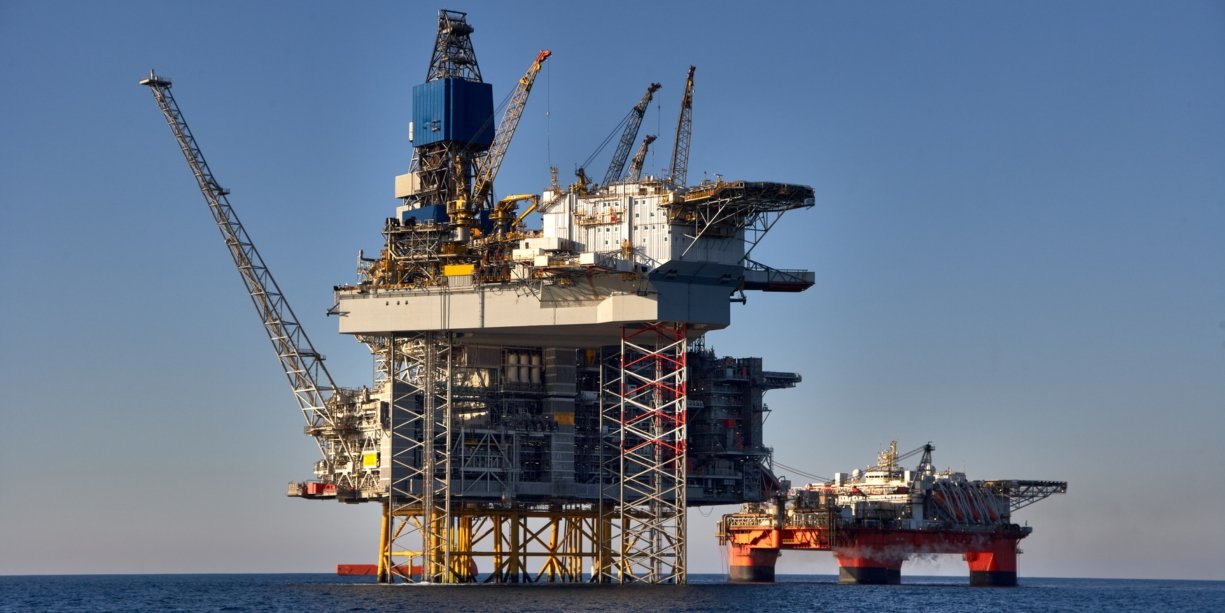
Installations located at sea, including platforms and FPSOs. Offshore valves must resist corrosion, vibration, and harsh environmental exposure.
P – Pigging
The process of cleaning or inspecting pipelines using pigs. Piggable valves and full-bore designs are often required to support this operation.
P – Pressure Containment
The ability of a valve body and bonnet to withstand internal pressure without deformation or failure.
Q – Quarter-Turn Valve
Valves such as ball and butterfly valves that operate through a 90-degree turn. Favoured for fast operation and automation compatibility.
R – Reduced Bore
A valve with a smaller internal bore than the pipeline. While cost-effective, reduced bore designs can increase pressure drop and limit pigging.
S – Sour Service
Applications involving hydrogen sulphide. Sour service valves require specific materials and manufacturing controls to prevent cracking and failure.
T – Trunnion Mounted Ball Valve
A ball valve design where the ball is supported by trunnions, reducing operating torque. Common in large diameter, high-pressure pipelines.
U – Upstream
Exploration and production activities. Valves here face extreme pressures, abrasive media, and demanding safety requirements.
V – Vent Valve
A valve used to safely release trapped pressure or gas. Proper venting is essential during commissioning and maintenance.
W – Wellhead
The surface termination of a well. Wellhead valves must withstand extreme pressures and are critical for controlling hydrocarbon flow.
X – X-Ray Inspection
Non-destructive testing method used to inspect valve castings and welds for internal defects.
Z – Zero Leakage
A specification term indicating extremely tight shut-off. Often defined by specific test standards rather than literal zero flow.