CONTROL VALVE TYPES
Control valves are one of the most critical components within any industrial process system. While isolation valves simply open or close, control valves regulate flow, pressure, temperature, and level with precision. They are essential wherever stable process conditions must be maintained.
Understanding control valve types is fundamental for engineers, EPC contractors, plant operators, and procurement teams involved in specifying flow control equipment. Selecting the wrong type can result in instability, premature wear, cavitation, or inefficient system performance.
This guide explores the main control valve types, how they operate, and where they are typically applied.
What Is a Control Valve?
A control valve is a power-operated device used to modulate flow by varying the size of the flow passage in response to a control signal. The signal usually comes from a controller monitoring process variables such as pressure, temperature, or flow rate.
Unlike on/off valves, control valves operate continuously within a range — not just fully open or fully closed.
A complete control valve assembly typically includes:
Valve body
Internal trim (plug, seat, cage, etc.)
Actuator (pneumatic, electric, or hydraulic)
Positioner
Instrumentation and accessories
The design of the valve body and trim largely determines the valve type.
Globe Control Valves
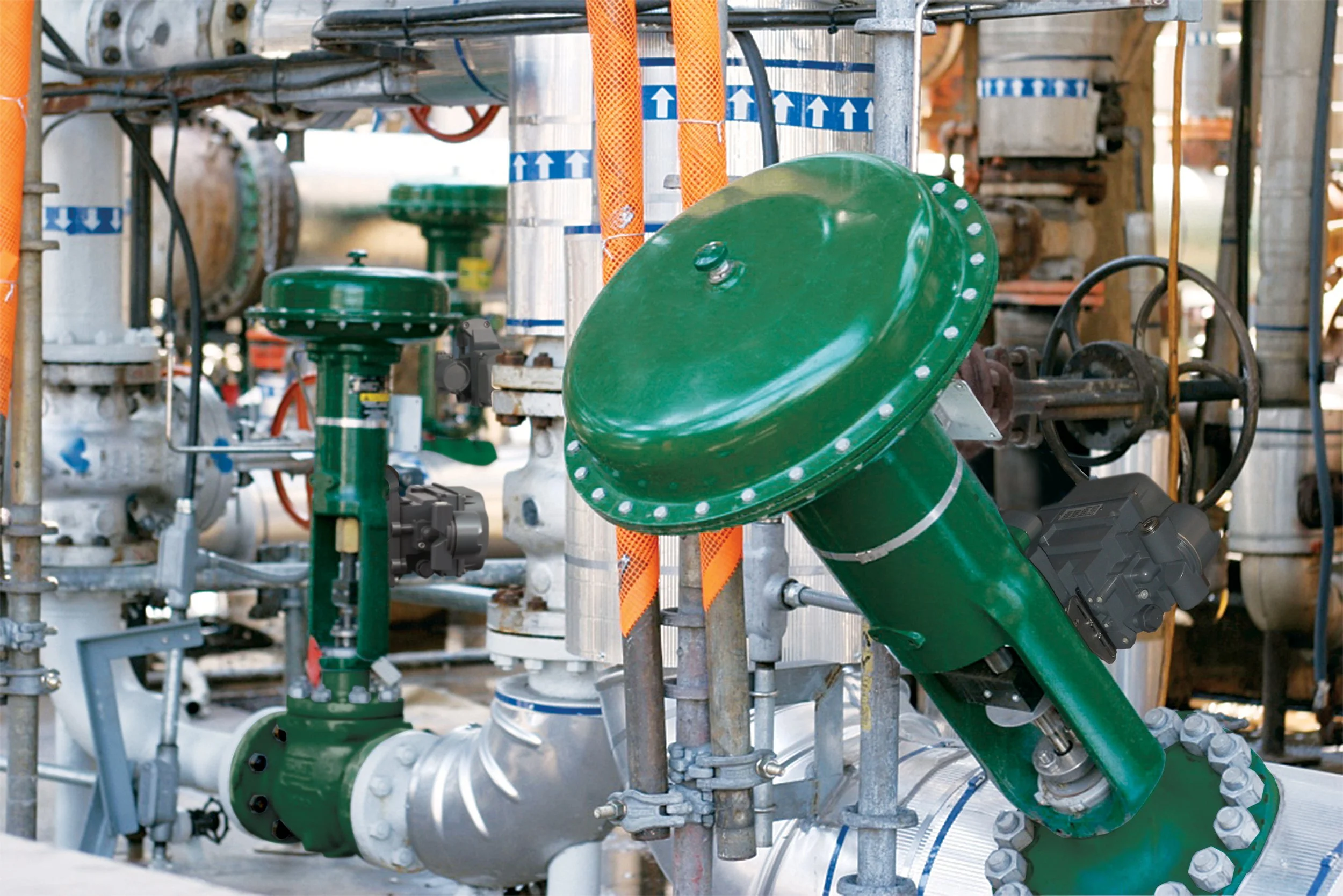
Globe control valves are the most common type of control valve used in industrial systems.
They feature a linear motion plug that moves up and down against a seat to regulate flow. The flow path changes direction within the valve body, which allows precise throttling control.
Key characteristics:
Excellent modulation accuracy
Good shut-off capability
Suitable for high pressure and temperature
Widely used in steam systems
Globe valves are typically specified in:
Power generation
Steam distribution
Chemical processing
Oil & gas
District heating
Because of their design, globe control valves offer superior control stability, particularly in applications requiring fine adjustment.
Ball Control Valves
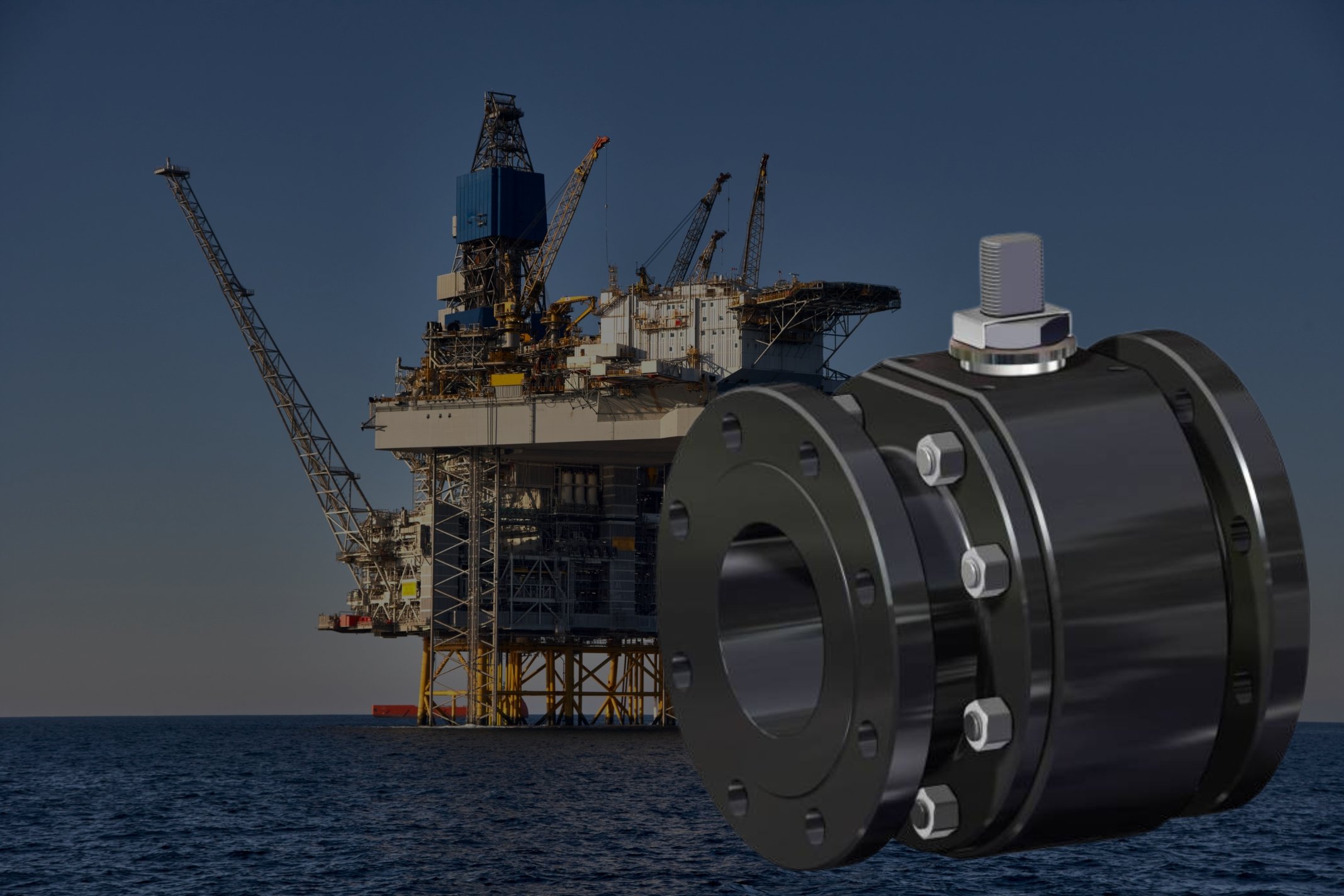
Ball control valves are adapted from quarter-turn ball valves. Instead of simple open/close operation, these valves use specially characterised balls (often V-port designs) to allow controlled modulation.
V-port ball valves are common in control applications requiring high capacity with compact design.
Advantages:
Lower pressure drop compared to globe valves
Compact footprint
Good for high flow rates
Reduced cost in some applications
However, ball control valves may not always offer the same precision as globe designs in highly sensitive control loops.
They are commonly used in:
Water treatment
HVAC systems
General industrial processes
Butterfly Control Valves
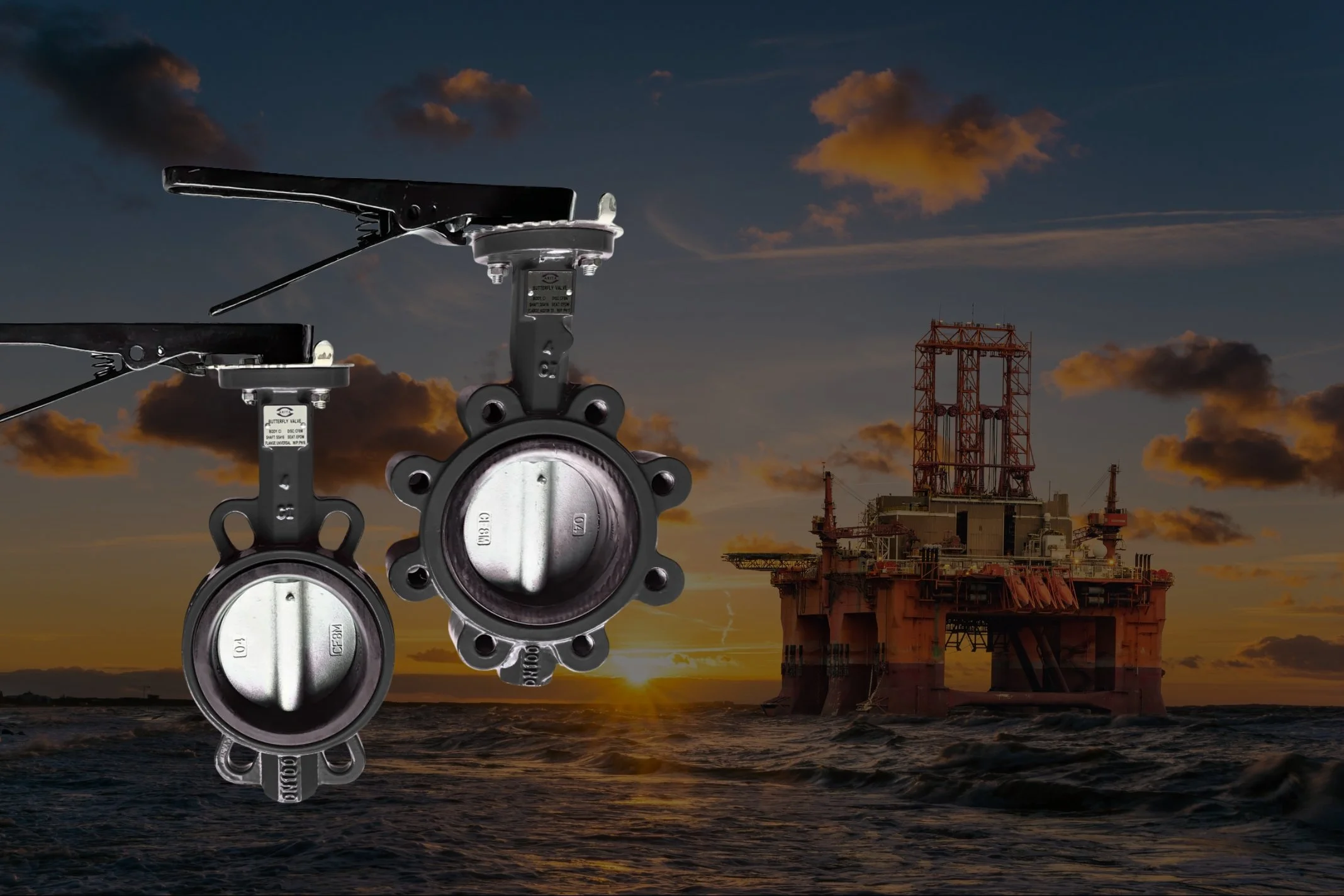
Butterfly valves can also be adapted for control service. They use a rotating disc to regulate flow.
While standard butterfly valves are primarily isolation devices, high-performance and triple offset butterfly valves are often configured for modulating control.
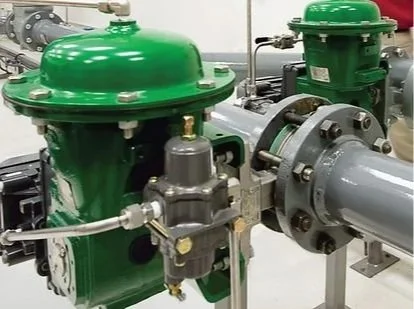
Key features:
Lightweight and compact
Suitable for large diameters
Lower installation cost
Good for medium-pressure systems
Butterfly control valves are frequently used in:
Cooling water systems
Air handling systems
Large-diameter pipeline applications
They are particularly attractive where space and weight reduction are important.
Diaphragm Control Valves
Diaphragm control valves use a flexible diaphragm to regulate flow. The diaphragm isolates the working parts from the process fluid.
This design is especially suited for:
Corrosive media
Slurries
Hygienic applications
Industries such as food processing, pharmaceuticals, and chemical plants often specify diaphragm control valves due to their cleanability and chemical resistance.
However, they are generally limited in pressure and temperature capability compared to globe designs.
Plug Control Valves
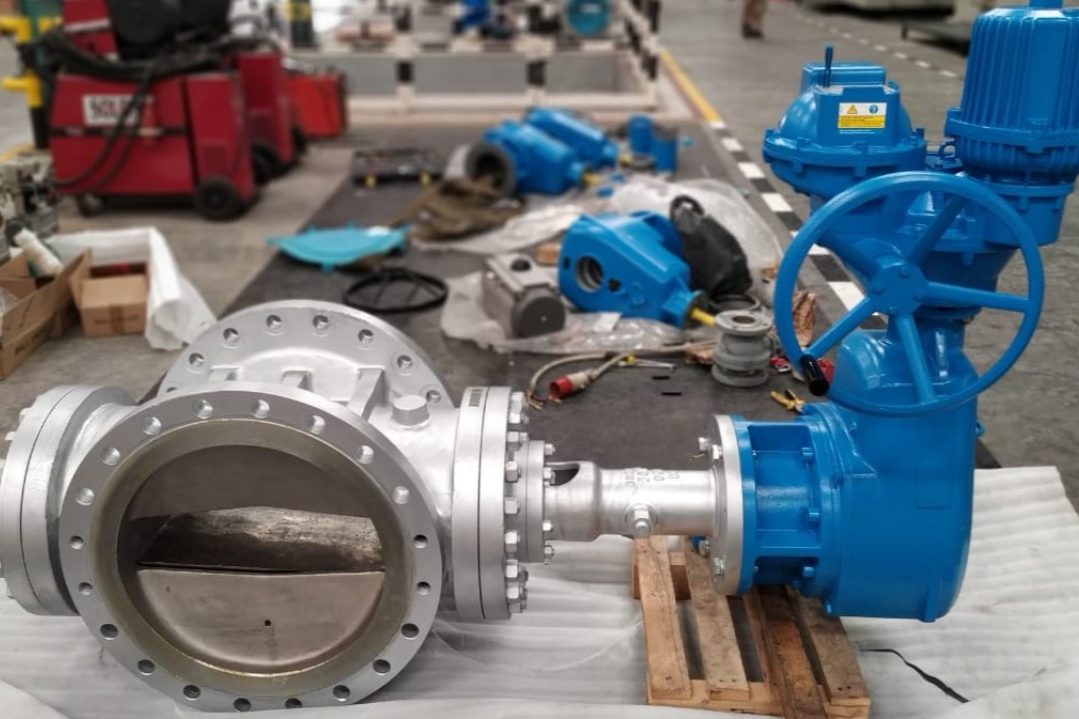
Plug control valves operate using a cylindrical or tapered plug that rotates to regulate flow.
They are commonly used in:
Oil and gas
Chemical processing
Applications involving viscous or dirty media
Plug valves are robust and capable of handling harsher environments, though their control precision may vary depending on design.
Linear vs Rotary Control Valves
Control valves can broadly be categorised into:
Linear motion valves
Globe valves
Diaphragm valves
These use a straight-line motion to regulate flow and generally offer higher precision.
Rotary motion valves
Ball valves
Butterfly valves
Plug valves
These use a rotating element and often provide higher capacity and compact installation.
Understanding whether your application prioritises precision or capacity is central to selecting the correct valve type.
Actuation & Positioning
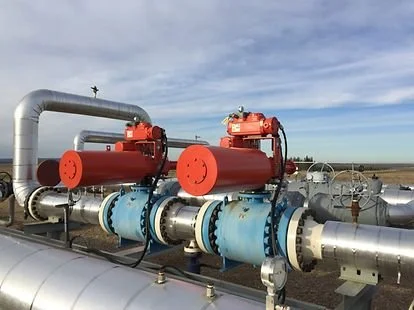
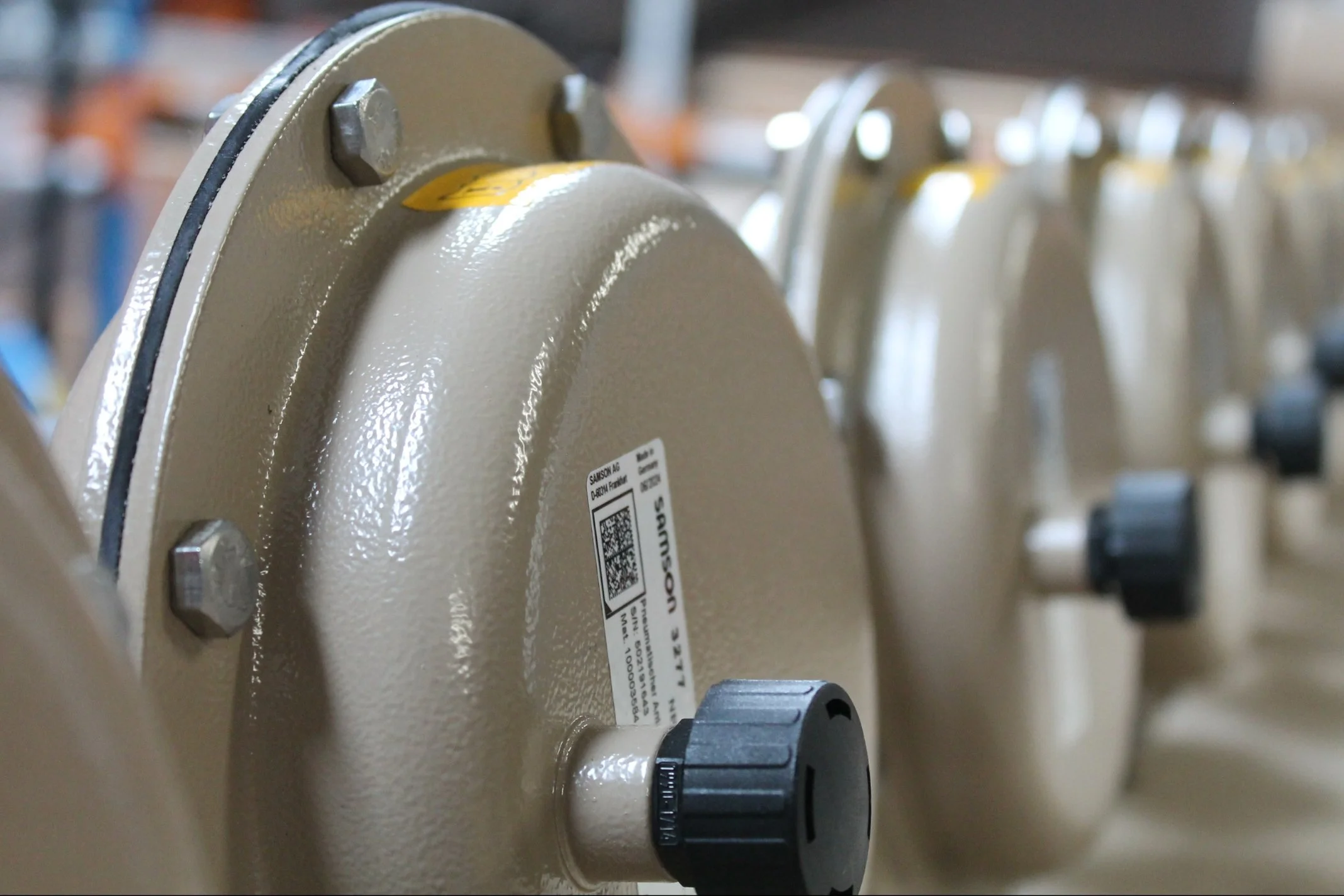
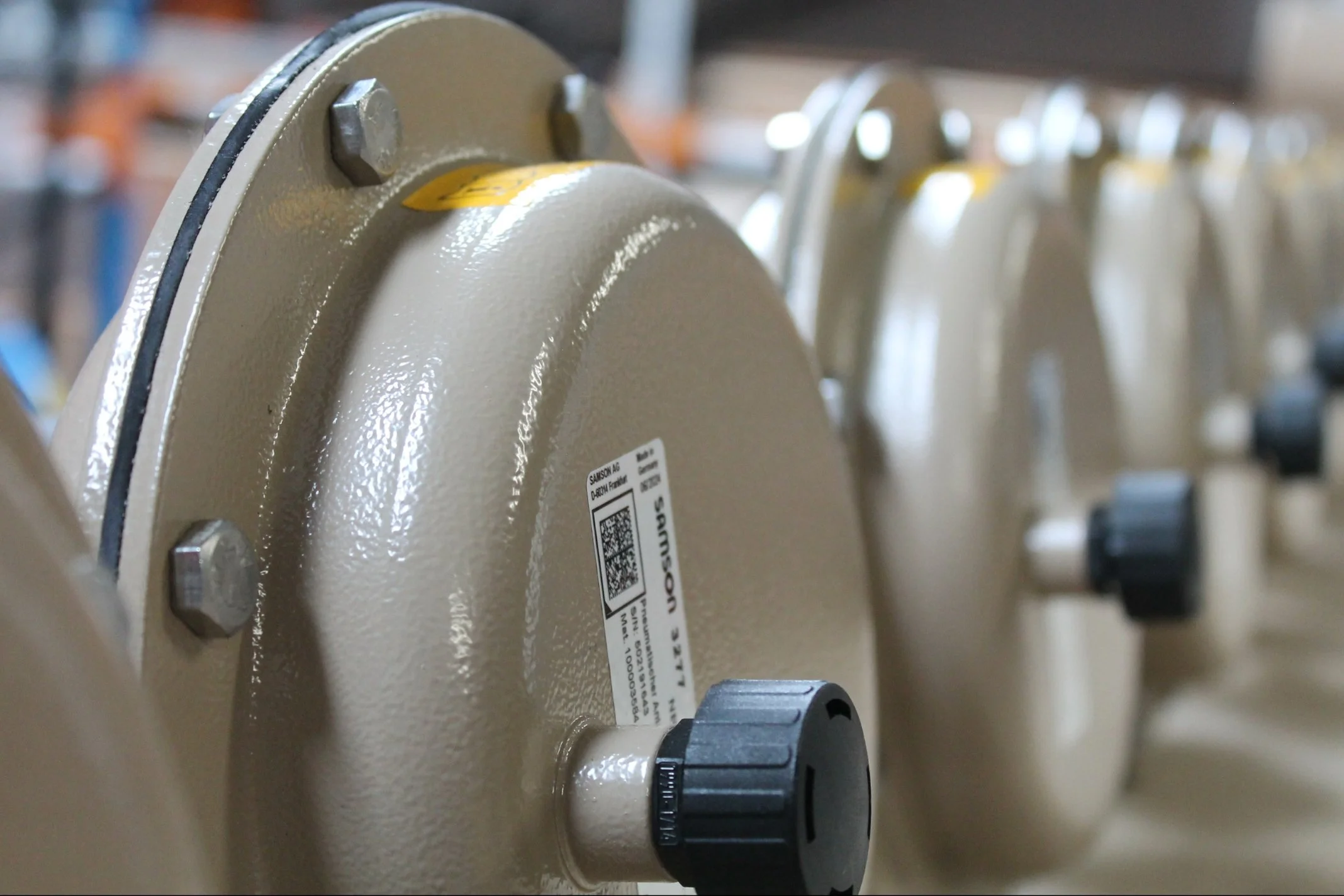
The performance of any control valve type depends heavily on its actuator and positioner.
Common actuator types include:
Pneumatic diaphragm actuators
Pneumatic piston actuators
Electric actuators
Hydraulic actuators
Pneumatic actuators remain the most common in industrial process systems due to their reliability and fail-safe capability.
Positioners ensure the valve stem moves precisely in response to the control signal, improving accuracy and repeatability.
Factors Influencing Control Valve Selection
Choosing between control valve types depends on multiple variables:
Flow rate and Cv requirement
Pressure differential
Fluid characteristics
Temperature
Required control accuracy
Noise considerations
Cavitation risk
For example:
Steam systems often favour globe valves
Large cooling water lines may favour butterfly valves
Compact HVAC systems may use ball control valves
There is no universal solution — specification must align with process conditions.
Conclusion

Control valves are the backbone of process stability in industrial systems. While multiple control valve types exist, each has strengths and limitations depending on application demands.
Globe valves offer precision.
Ball valves offer capacity and compactness.
Butterfly valves offer scalability in larger diameters.
Diaphragm and plug valves offer specialised media handling.
Understanding these distinctions allows engineers and buyers to make informed decisions that support safety, efficiency, and long-term reliability.
Selecting the right control valve type is not just about price — it is about ensuring stable, controlled operation across the entire lifecycle of a system.