Hydrogen-Ready Valves Face the 'Material Integrity' Test in 2026
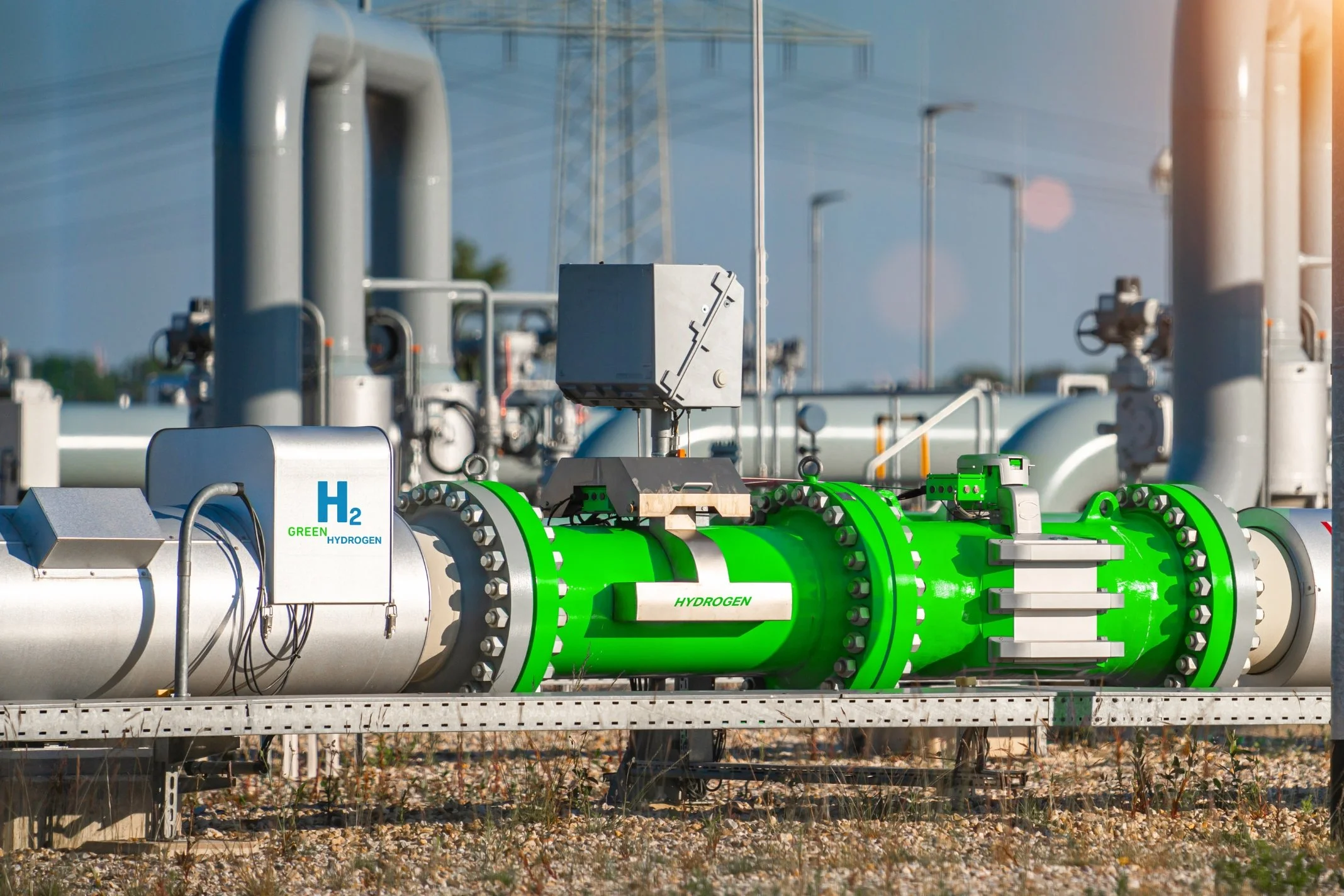
ROTTERDAM, NETHERLANDS — As the European hydrogen backbone transitions from ambitious blueprints to high-pressure reality this March, a new industrial bottleneck has emerged: the Hydrogen Integrity Gap. With the global hydrogen pipeline market projected to hit a staggering $13 billion by the end of 2026, the energy sector is racing to upgrade the "silent sentinels" of the grid—its flow control valves.
The shift is driven by a massive move toward retrofitting existing natural gas infrastructure to carry hydrogen blends. However, as 2026 operators are discovering, hydrogen is not just another gas—it is a "material predator" that requires a complete rethink of valve engineering.
The Challenge of 'The Smallest Molecule'
In the 2026 landscape, the primary enemy of infrastructure is Hydrogen Embrittlement. Because hydrogen molecules are the smallest in existence, they can permeate the crystalline structure of traditional carbon steel valves, making them brittle and prone to "stress-induced cracking."
"What worked for natural gas for forty years will fail in forty days under pure hydrogen service," warns a lead integrity engineer at the Rotterdam Port expansion. "In 2026, the industry has shifted from 'leaktight' to 'molecularly secure.' If your valve isn't engineered for hydrogen-ready alloys, it's a liability, not an asset."
The 2026 Material Standard
To meet the rigorous safety standards of the new hydrogen economy, manufacturers have unveiled a new generation of Hydrogen-Ready Control Valves. Key features defining the market this year include:
A-Class Seal Integrity: Utilizing advanced polymers and double-block-and-bleed configurations to prevent fugitive emissions of highly flammable hydrogen.
Superalloy Construction: A surge in the use of 316L Stainless Steel and specialized High-Nickel Alloys that are naturally resistant to embrittlement.
Nano-Ceramic Coatings: 2026 has seen the debut of internal coatings that act as a barrier, preventing hydrogen atoms from even touching the base metal.
Digital Twins: The Predictive Safety Net
Beyond the metal, the news for 2026 is the integration of Physical AI. With over 50% of the industry now using Digital Twins, operators are no longer guessing when a valve might fail.
These digital replicas use real-time sensor data to monitor the "fatigue life" of valves in hydrogen service. By simulating the exact stress levels and permeation rates, the AI can predict a failure weeks before a crack even becomes visible to a human inspector. This has already reduced unplanned downtime in the Dutch hydrogen corridor by 18% this quarter.
The Bottom Line
The "Hydrogen Year of 2026" is proving that the energy transition is as much a metallurgical challenge as it is a political one. As billions of dollars flow into new pipeline networks, the focus has narrowed onto the precision and material science of flow control. For the energy giants of 2026, the message is clear: Material integrity is the new energy security.