Instrumentation Valve Market Surging as AI & Digital Monitoring Drive Demand to 2033

The instrumentation valve market is entering a new phase of growth. While these valves have always been critical in high-precision systems, new technologies such as AI monitoring, predictive maintenance, and digital automation are dramatically changing how they are specified and used.
Across sectors including oil & gas, chemical processing, hydrogen, pharmaceuticals, and power generation, instrumentation valves are becoming smarter, more connected, and more critical to plant reliability.
Here’s what’s driving the market forward.
The Role of Instrumentation Valves in Modern Industry
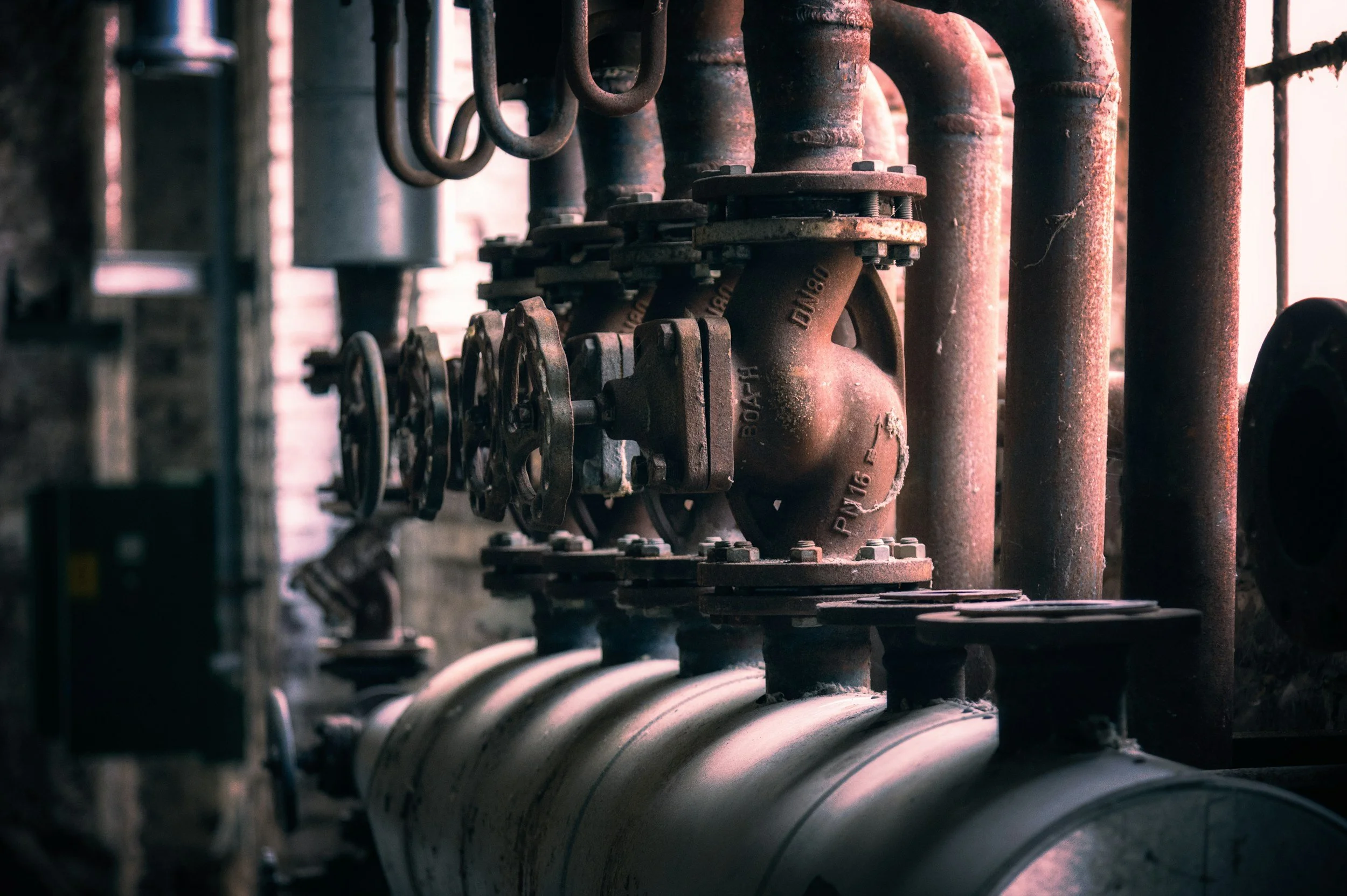
Instrumentation valves are designed for high-precision flow control, pressure isolation, and measurement systems. They are typically used alongside transmitters, gauges, and analysers where accurate measurement and safe isolation are essential.
Common applications include:
• Pressure transmitter isolation
• Gauge root valves
• Sampling systems
• Calibration systems
• Process instrumentation panels
Because these valves often sit directly in measurement loops, reliability and leak-tight performance are essential.
Why Demand Is Increasing
Global demand for instrumentation valves is rising as industries invest in automation, safety systems, and digital process monitoring.
Several factors are contributing to this growth:
• Expansion of chemical and petrochemical facilities
• Hydrogen and carbon capture infrastructure
• Increasing industrial automation
• Stricter safety and compliance requirements
• Growth of smart manufacturing
As facilities become more automated, instrumentation valves play an even greater role in ensuring accurate process feedback and reliable isolation.
The Rise of AI & Predictive Monitoring
One of the biggest shifts in the instrumentation sector is the move toward AI-driven predictive maintenance.
Modern plants are increasingly deploying systems that monitor:
• Pressure fluctuations
• Valve cycle behaviour
• Leak detection signals
• Temperature changes
These systems analyse operational data to predict when components may fail or require maintenance.
While instrumentation valves themselves may appear simple, they form part of the data collection layer feeding AI-driven plant monitoring systems.
This allows operators to prevent failures before they occur — reducing downtime and improving safety.
High-Precision Manufacturing Is Becoming Essential
As instrumentation becomes more accurate, valve tolerances must improve as well.
Manufacturers are investing in:
• Ultra-precision machining techniques
• Advanced sealing technologies
• Corrosion-resistant alloys
• High-integrity needle valve designs
Even minor leakage or instability can compromise measurement accuracy, which is why instrumentation valves often undergo more rigorous testing than standard isolation valves.
Hydrogen & Clean Energy Applications
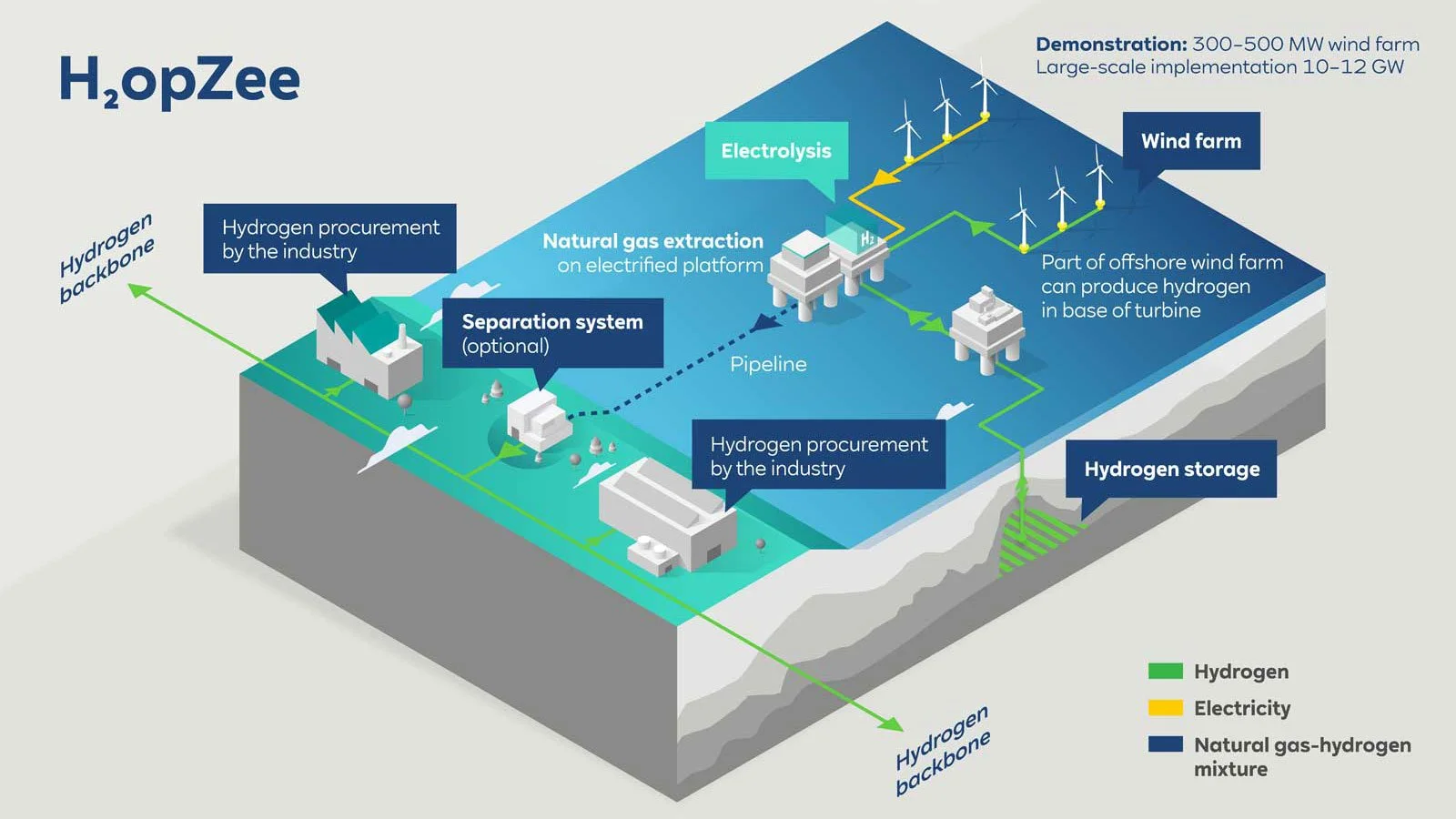
Another key market driver is the growth of hydrogen infrastructure and energy transition projects.
Hydrogen molecules are extremely small and can escape through sealing surfaces that would normally contain other gases.
Because of this, instrumentation valves used in hydrogen service must offer:
• Exceptional sealing performance
• Material compatibility
• Resistance to hydrogen embrittlement
• Precision machining and surface finishing
As hydrogen systems expand globally, instrumentation valve design is adapting to meet these stricter requirements.
What Engineers Should Look for When Specifying
With instrumentation valves playing a critical role in monitoring and safety systems, engineers should prioritise:
• Leak-tight shut-off performance
• Material compatibility with process media
• Pressure and temperature ratings
• Ease of maintenance and calibration access
• Certification and traceability
While instrumentation valves are smaller than many process valves, they are often some of the most critical components in a measurement system.
Looking Ahead to 2033
Industry forecasts suggest the instrumentation valve market will continue growing steadily through the next decade.
The biggest drivers are expected to be:
• Digitalisation of industrial plants
• Expansion of energy transition infrastructure
• Increased process automation
• Stronger regulatory compliance requirements
In modern facilities, accurate data is everything — and instrumentation valves sit at the heart of that measurement chain.
Conclusion
Instrumentation valves may not be the largest components in a process plant, but they are among the most important. As AI monitoring, predictive maintenance, and digital automation continue to reshape industrial operations, these valves are becoming even more essential.
The next decade will likely see greater precision, smarter integration, and increased demand across multiple industries — confirming that instrumentation valves remain a critical element of modern process control.