Bürkert Opens New Advanced Plastics & Fluid Control Technology Centre in Germany

Bürkert has announced the opening of a new Advanced Plastics & Fluid Control Technology Centre in Germany, reinforcing the company’s long-term commitment to innovation in fluid control systems, industrial automation, and high-performance plastic components.
The facility represents a strategic investment in research, manufacturing capability, and product development. As industrial processes become more specialised — particularly in sectors such as pharmaceuticals, water treatment, chemical processing, and food production — demand for precision-engineered fluid control components continues to grow.
This new centre positions Bürkert to accelerate innovation across its global product portfolio.
Why Bürkert Is Investing in Advanced Plastics Technology
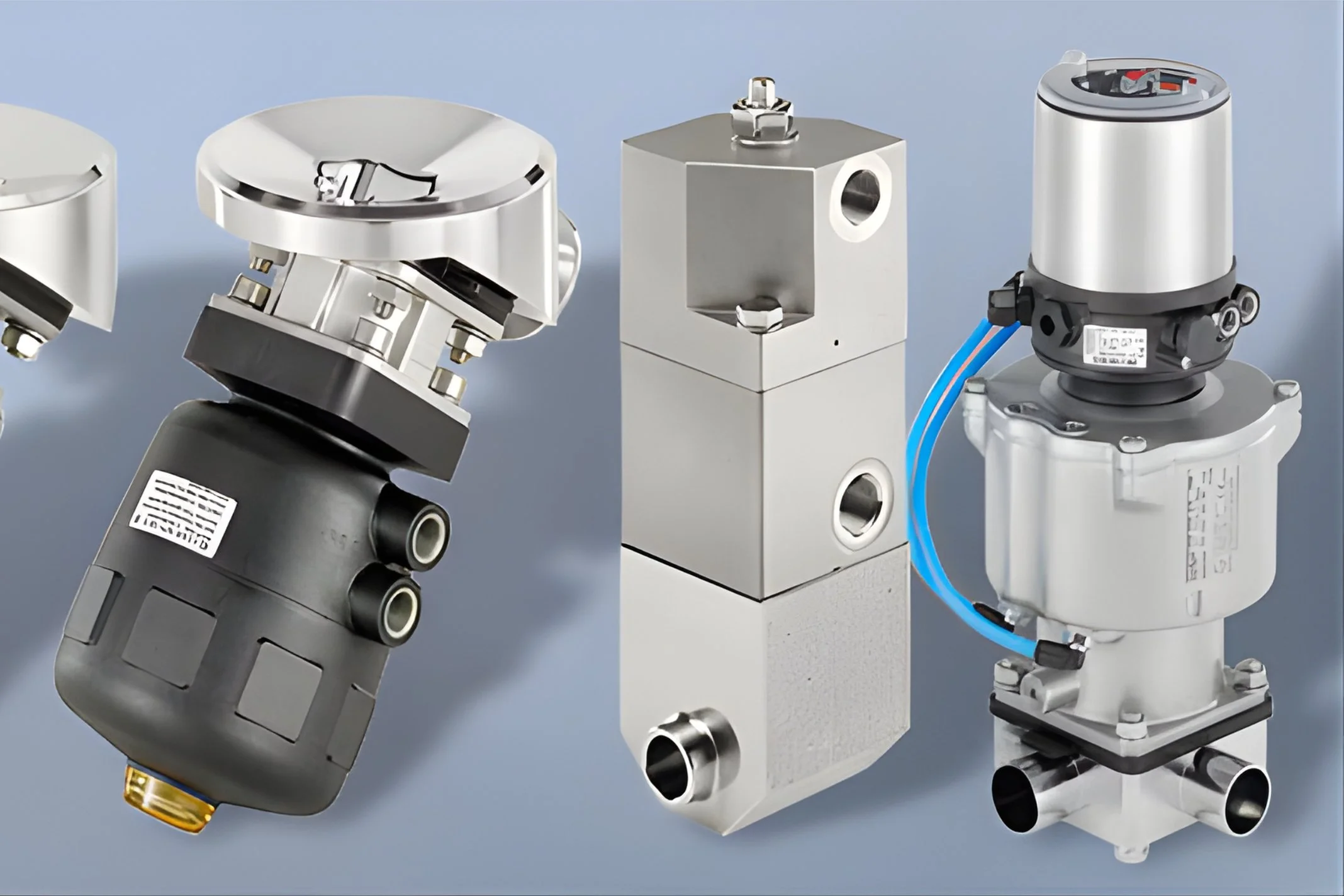
Modern fluid control systems increasingly rely on advanced polymers rather than traditional metal components. Plastics offer several advantages in demanding environments where corrosion resistance, weight reduction, and chemical compatibility are critical.
The new Bürkert facility will focus on several core areas of plastics engineering:
• Development of high-performance polymer materials for valve bodies and fluid components
• Precision moulding technologies for complex fluid control parts
• Improved chemical resistance for aggressive media applications
• Lightweight component design for compact automation systems
• Integration of plastic components into smart, automated fluid control assemblies
By advancing these technologies, Bürkert aims to improve durability, efficiency, and application flexibility across its fluid control product range.
Expanded Manufacturing and R&D Capabilities
The new technology centre significantly increases Bürkert’s research and development capacity, allowing engineers to prototype, test, and refine new solutions faster.
Key capabilities introduced at the new facility include:
• Dedicated laboratories for polymer testing and validation
• Advanced injection moulding and component manufacturing systems
• Rapid prototyping capabilities for new valve and fluid system designs
• Integration testing for automated fluid control assemblies
• Collaboration spaces for engineering teams and industry partners
These capabilities help shorten development cycles and support Bürkert’s strategy of delivering highly specialised fluid control solutions to global markets.
Supporting Growth in High-Tech Process Industries
Many of Bürkert’s customers operate in industries where fluid control performance is critical to safety and product quality. Advanced plastics play an important role in meeting these demands.
Industries expected to benefit from Bürkert’s new technology centre include:
• Pharmaceutical and biotechnology production
• Water treatment and purification systems
• Chemical processing facilities
• Food and beverage manufacturing plants
• Semiconductor and high-tech manufacturing environments
In these sectors, fluid control components must often withstand aggressive chemicals, high purity requirements, and strict regulatory standards.
Strengthening Bürkert’s Position in the Global Fluid Control Market
Bürkert has long been recognised as a leading manufacturer of valves, sensors, and automation solutions for fluid control. The new technology centre further strengthens the company’s position as an innovator in this space.
Strategic benefits of the new facility include:
• Increased product innovation capacity
• Greater manufacturing flexibility
• Faster development of specialised solutions
• Enhanced collaboration with industrial partners
• Stronger support for global engineering projects
As industries move toward smarter and more efficient fluid systems, manufacturers that combine materials science, automation technology, and precision engineering will lead the market.
What This Means for the Fluid Control Industry
The launch of Bürkert’s Advanced Plastics & Fluid Control Technology Centre highlights a broader shift within the industry. Fluid control components are evolving from simple mechanical parts into highly engineered systems designed for efficiency, reliability, and digital integration.
For engineers and system designers, this means more options for lightweight, corrosion-resistant, and application-specific components that can be integrated into modern automated processes.
As industrial infrastructure becomes more advanced, innovation in materials and fluid control technology will continue to play a critical role.