How 2026's "Smart Safety" is Preventing the Next Energy Crisis
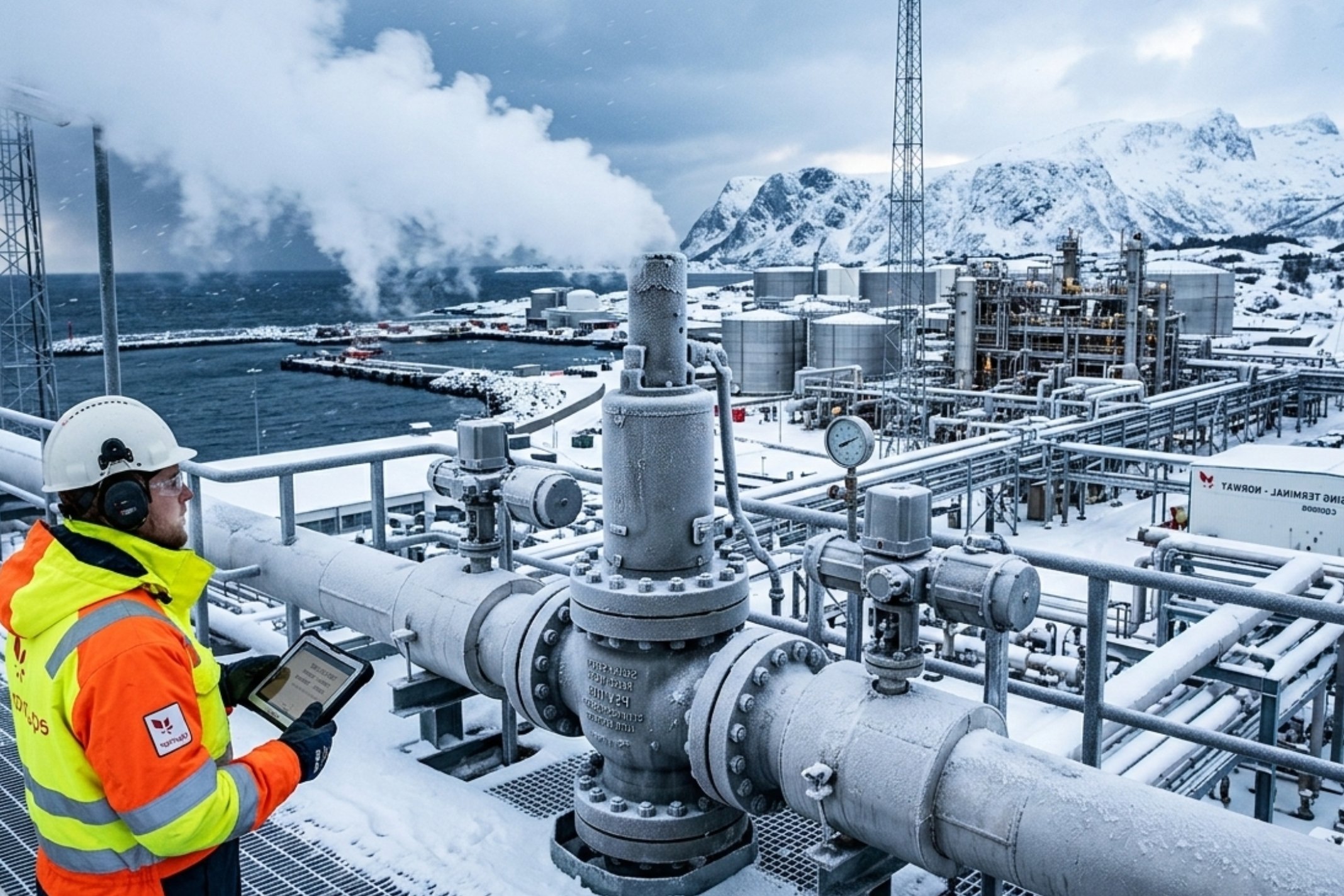
OSLO, NORWAY — As the global energy sector enters a new era of high-pressure hydrogen transport and ultra-deepwater extraction, the industry has turned its focus to a critical, often invisible frontline: Autonomous Pressure Relief Systems. With global energy demand hitting record highs this March, a new report from the 2026 Energy Infrastructure Forum reveals that safety and pressure relief technologies have evolved from passive backup components into an "Intelligent Shield" worth an estimated $6.55 billion.
The 2026 Pressure Challenge
In today’s landscape, hydrocarbons and emerging fuels like hydrogen are processed at intensities never seen before. Rapid valve closures, pump malfunctions, and even the thermal expansion of fluids in fluctuating climates can create instantaneous pressure spikes. Without immediate mitigation, these surges risk catastrophic pipeline ruptures or equipment failure.
"In the 2026 grid, a pressure surge isn't just a mechanical risk; it's a systemic one," explains a leading safety engineer. "With our infrastructure so tightly integrated, one failure can ripple across the entire supply chain. Our relief systems must be faster than the physics of the surge itself."
From Mechanical to "Always-On" Monitoring
The biggest shift in 2026 is the integration of Safety Relief Valves (SRVs) with Industrial IoT (IIoT). Traditionally, these valves remained dormant until a threshold was met. Today, they are part of a connected ecosystem:
Predictive Activation: Using digital twins, operators can now simulate pressure build-ups before they occur, allowing systems to "pre-adjust."
Rapid Intervention: When a critical level is reached, these valves open with millisecond precision, venting excess fluid safely before resealing to restore system integrity.
Smart Feedback: Every activation is logged by AI-driven sensors, providing real-time data on the health of the valve and the stability of the entire process.
The Superalloy Defense: Built for the Extremes
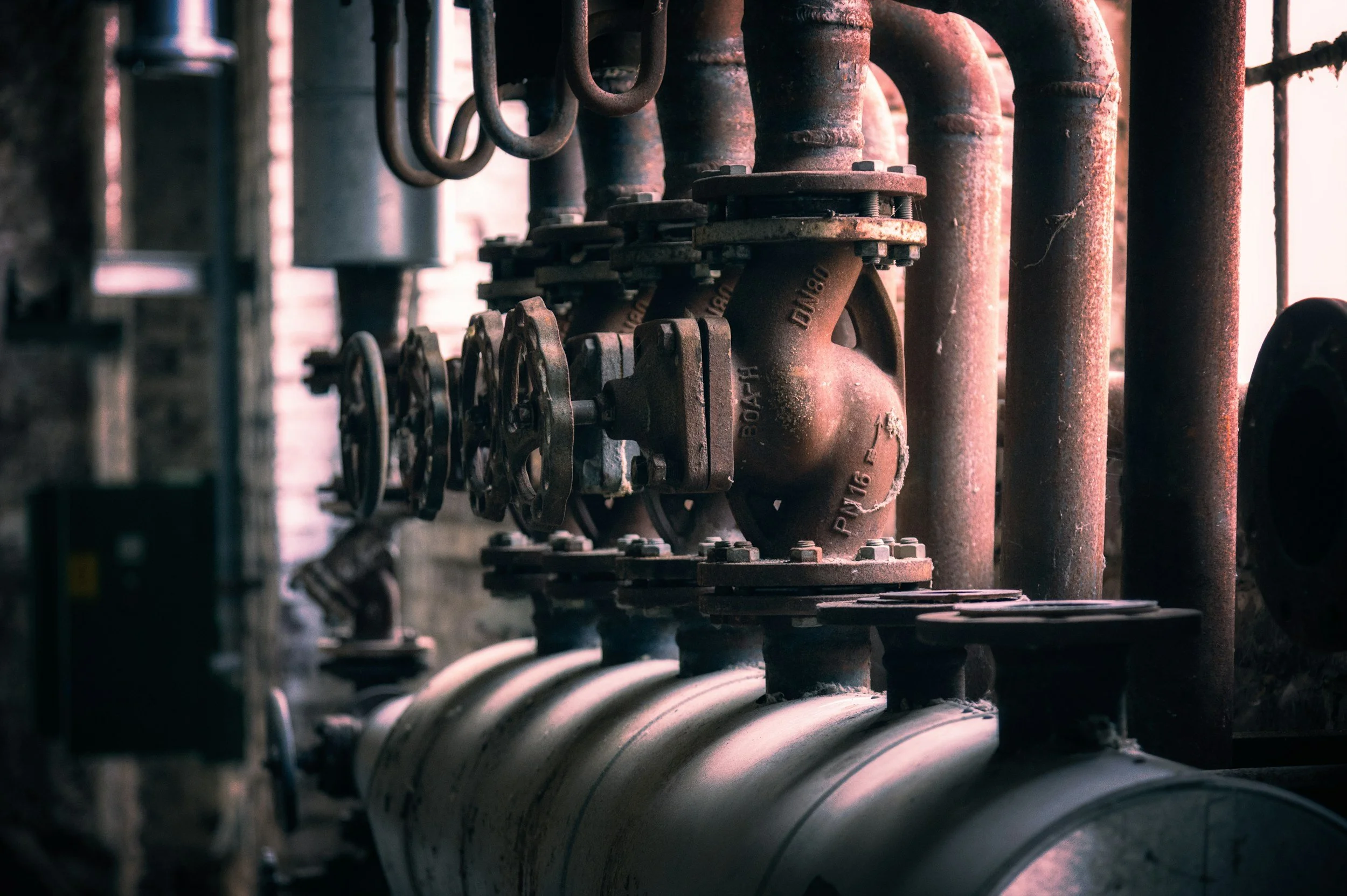
As operators push into more corrosive "sour gas" fields and high-purity hydrogen networks, the materials used in 2026 have undergone a massive upgrade. Standard carbon steel is being replaced by Superalloys like Inconel and Hastelloy, often treated with ceramic nanocoatings.
These advanced materials ensure that a valve which has sat inactive for years will still respond instantly, even when exposed to hydrogen embrittlement or the extreme temperatures of the Arctic or deep-sea floors.
The Rise of HIPPS: The Final Safeguard
The news in 2026 also highlights the massive adoption of High Integrity Pressure Protection Systems (HIPPS). In environments where conventional venting isn't environmentally viable—such as zero-emission refineries—HIPPS acts as an instrumented safety loop. It quickly isolates the source of overpressure rather than just releasing it, providing a final layer of protection that bridges the gap between mechanical relief and automated shutdown.
Looking Ahead
As we look toward the 2027 fiscal year, the mandate for energy companies is clear: Reliability is no longer just about production volume; it’s about the sophistication of the safety net. By investing in these automated, material-hardened relief systems, the industry is securing its license to operate in an increasingly complex world.