How Next-Gen Flow Control is Securing 2026 Grid
HOUSTON, TX — As the global energy sector grapples with the "Gigawatt Sprint"—a massive surge in power demand driven by AI data centers—and the complex shift toward a multi-molecule future, a silent revolution is taking place within the industry’s most critical infrastructure.
New industry data for 2026 reveals that flow control and regulation systems have transitioned from "standard equipment" to the high-tech frontline of operational resilience. No longer just about moving fluids, these systems are now the primary defense against supply chain volatility and environmental risk.
The Pulse of the Operation
In the 2026 landscape, hydrocarbons like crude oil and natural gas are moving through more complex environments than ever before. Whether it’s the high-pressure extraction of the upstream sector or the intricate processing of downstream refineries, maintaining the "perfect balance" of pressure and temperature is essential.
"Effective flow control is the heartbeat of our infrastructure," says an industry analyst. "Small variations that used to be manageable are now unacceptable in a world of razor-thin margins and automated systems. If the flow rate isn't precise, the whole stability of the production output collapses."
From Upstream to Midstream: A Chain of Precision
The article highlights how specialized valves are doing the heavy lifting across the value chain:
Upstream: High-performance valves regulate extraction at the wellhead, ensuring that transport to processing facilities remains steady despite the volatile pressures of the reservoir.
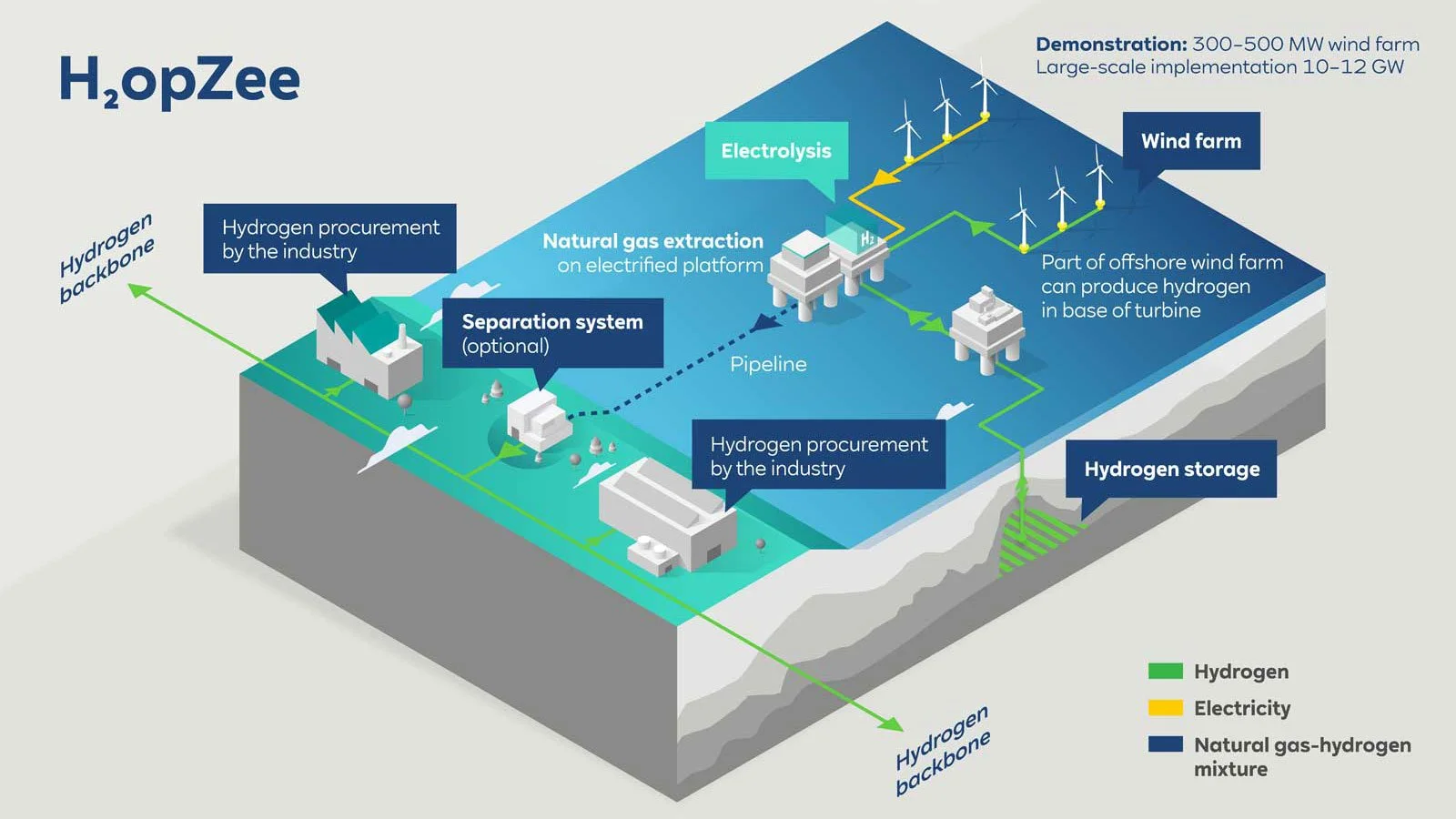
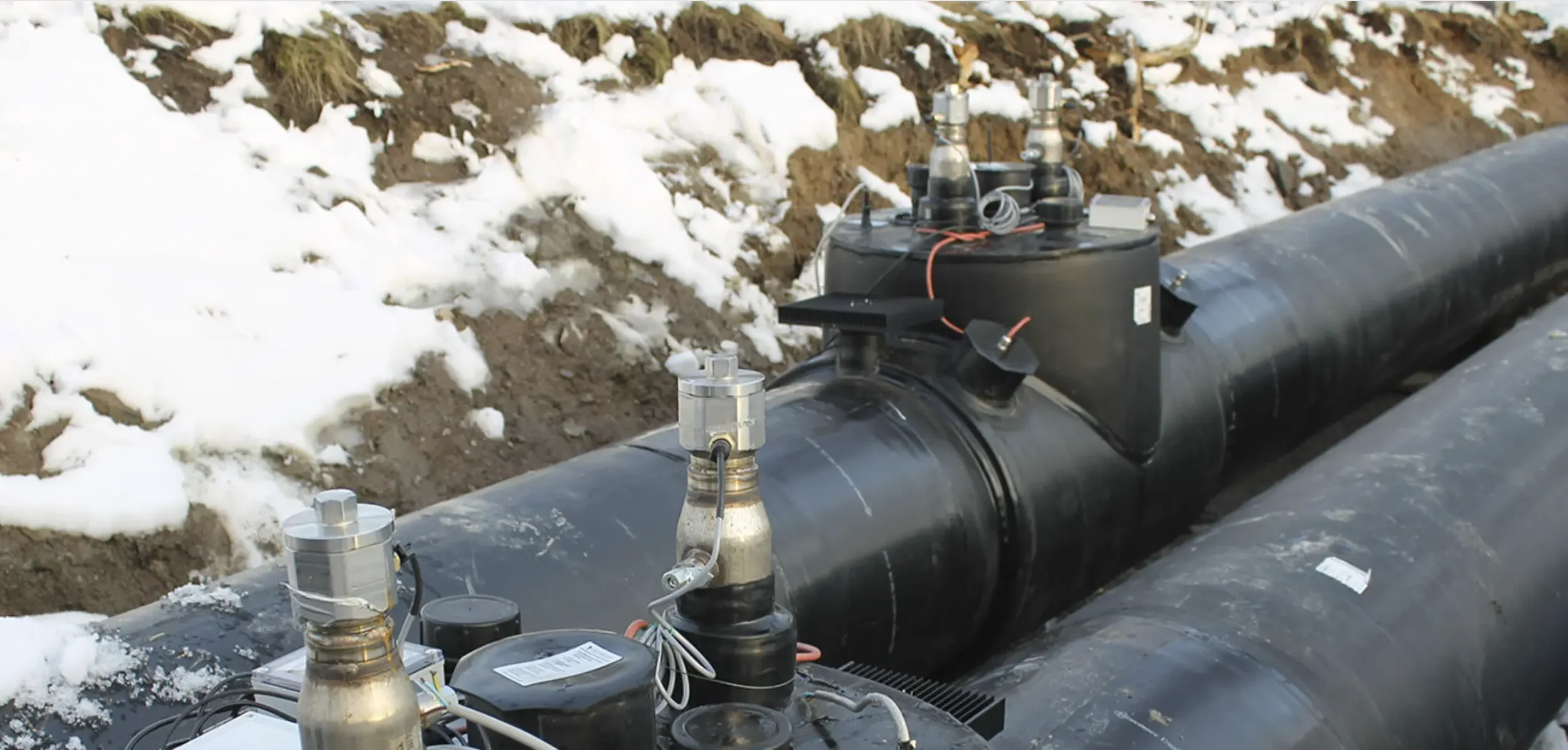
Midstream: In the vast pipeline networks currently being upgraded for "multi-molecule" service (including hydrogen blends), control valves maintain constant pressure over thousands of miles, preventing equipment strain.
Downstream: Refineries rely on this accuracy to manage hyper-sensitive chemical stages, where even a minor deviation can compromise product quality.
The Rise of the "Intelligent" Valve
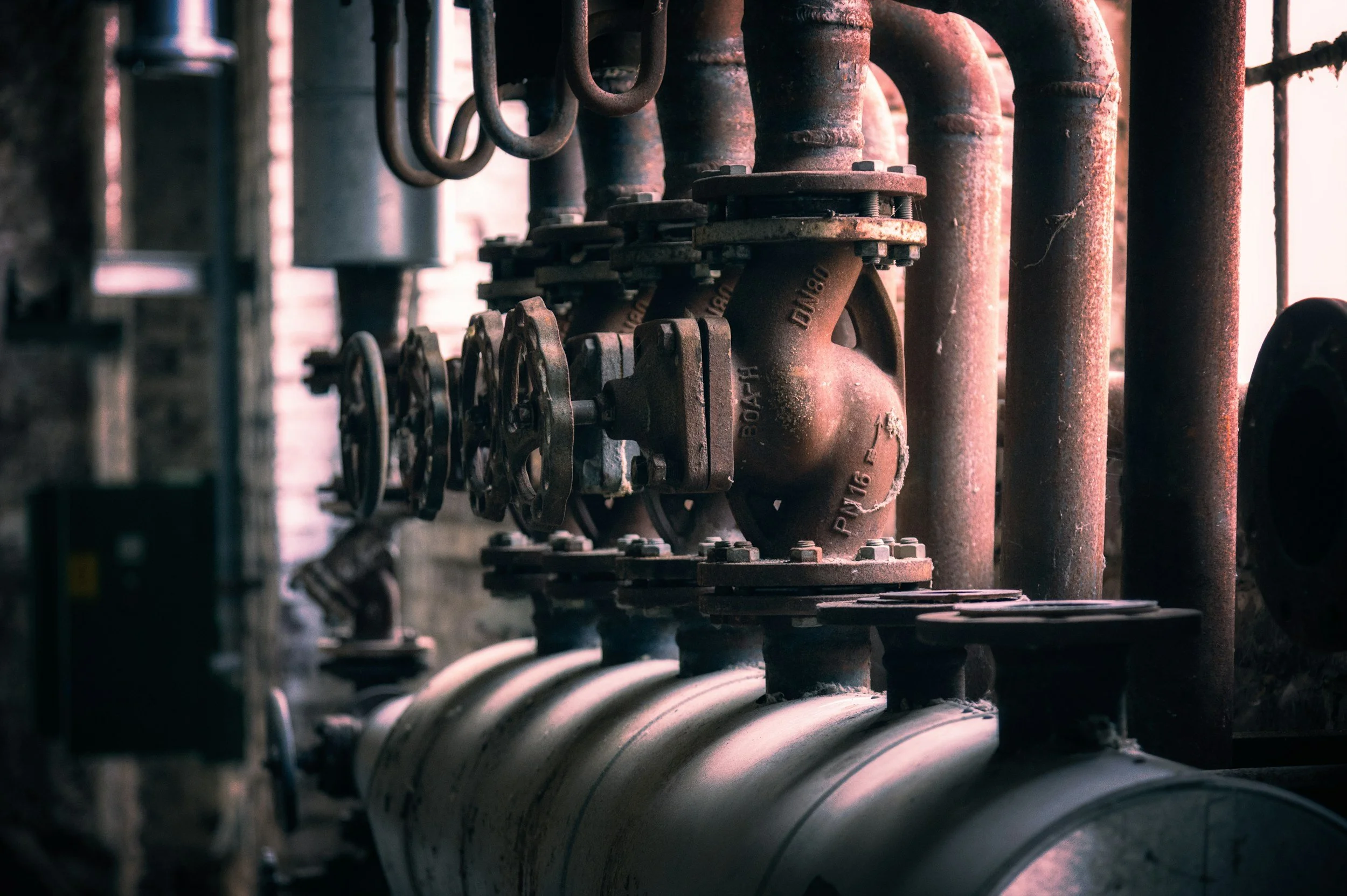
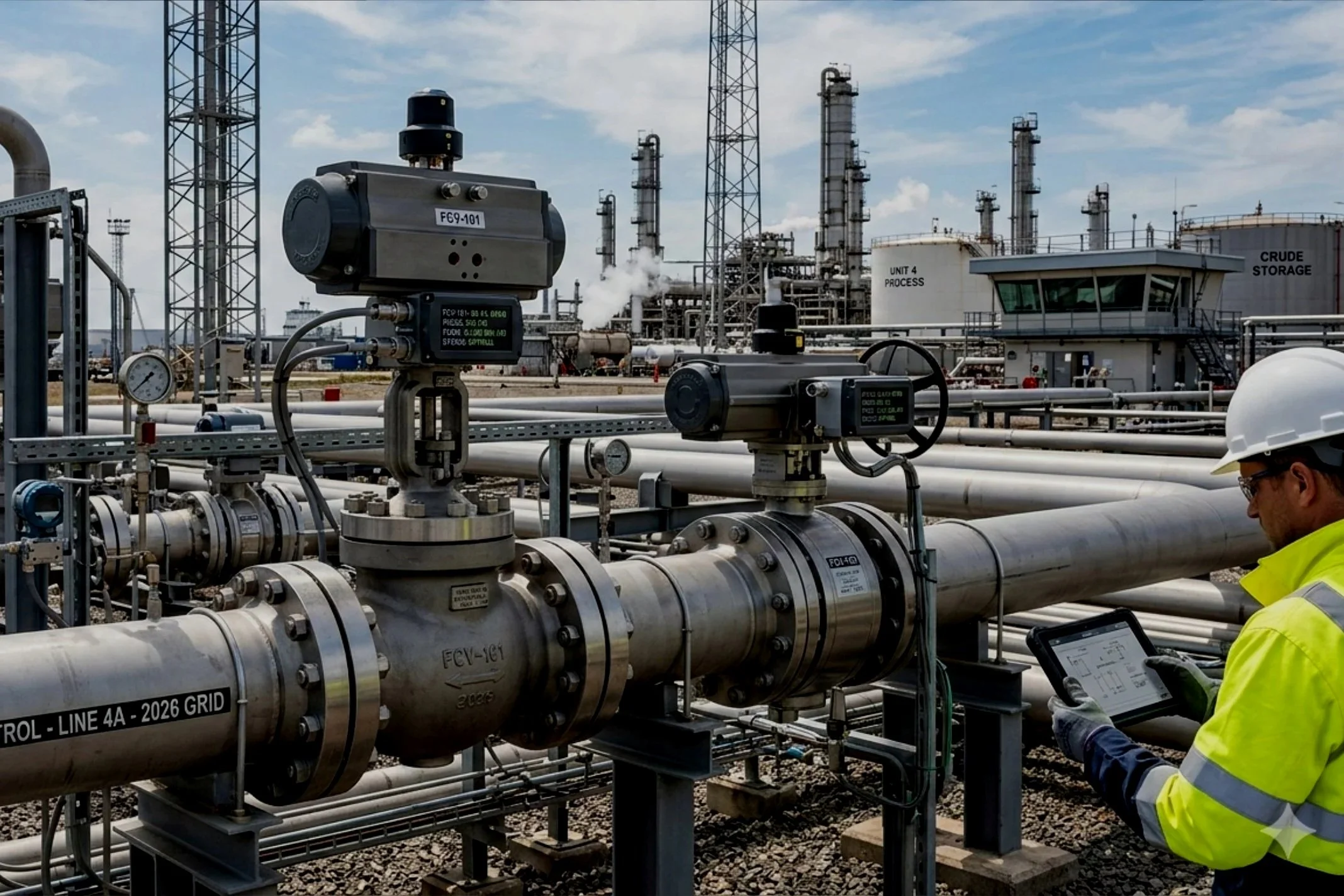
The most significant news for 2026 is the full-scale adoption of Agentic AI and automated actuators. Unlike traditional isolation valves that simply open or close, modern Globe, Ball, and Butterfly valves are now integrated with real-time sensors.
These "smart" systems measure pressure and temperature variables, adjusting valve positions autonomously to respond to system changes in milliseconds. This level of automation has drastically reduced the need for manual intervention, making large-scale pipelines safer and more efficient than at any point in history.
Built for the Extremes
Reliability in 2026 also comes down to the "Material Defense." With operators pushing into harsher environments—including "sour gas" fields rich in corrosive hydrogen sulphide—material selection has become a top priority.
Industry Standard: To survive these conditions, the latest generation of valves is manufactured from advanced carbon steel, stainless steel, and duplex alloys, providing the strength and corrosion resistance required to protect critical energy infrastructure.
The Bottom Line
As we look toward the remainder of 2026, the message from the energy sector is clear: The transition to a more stable and efficient energy future isn't just about what we extract—it’s about how precisely we control it. By balancing the delicate variables of flow and pressure, these systems are securing the energy reliability the modern world demands.
Would you like me to draft a technical comparison table of Globe vs. Butterfly valves for these specific 2026 applications, or perhaps generate an image of a "smart" pipeline control station?