GEA’s Acquisition of Hydract Valve Technology: Advancing Energy-Efficient Process Valves

In a move that signals growing innovation in hygienic process equipment, GEA has acquired Hydract, a specialist in water-hydraulic valve actuation technology. The acquisition strengthens GEA’s portfolio in process valves used across dairy, brewery, beverage, and pharmaceutical industries, where energy efficiency and hygienic design are critical.
Hydract is known for its water-hydraulic valve actuation systems, a technology that replaces traditional pneumatic or electric actuation with pressurised water. The result is a cleaner, more energy-efficient method of operating process valves — particularly valuable in industries where hygiene and sustainability are top priorities.
WHAT MAKES HYDRACT VALVE TECHNOLOGY DIFFERENT?
Most automated valves in process industries rely on compressed air or electric actuators. Hydract’s technology takes a different approach by using water as the actuation medium.
This offers several advantages:
• Reduced energy consumption compared to compressed air systems
• Lower maintenance requirements due to fewer moving components
• Elimination of oil-based hydraulic systems, improving hygiene
• Compact actuator designs suitable for process skids and tight installations
For industries where cleanliness and operational efficiency matter, water-hydraulic actuation offers a compelling alternative.
WHY GEA MADE THE ACQUISITION
GEA is already one of the world’s largest suppliers of processing technology for food, beverage, and pharmaceutical industries. Integrating Hydract’s technology allows the company to expand its offering of advanced valve systems designed specifically for hygienic processing environments.
The acquisition helps GEA strengthen its capabilities in:
• Hygienic valve automation
• Energy-efficient processing systems
• Sustainable production technologies
• Compact modular process solutions
As manufacturers seek to reduce energy consumption and environmental impact, technologies that improve process efficiency and operational reliability are becoming increasingly important.
APPLICATIONS IN DAIRY, BREWERY & PHARMACEUTICAL PLANTS
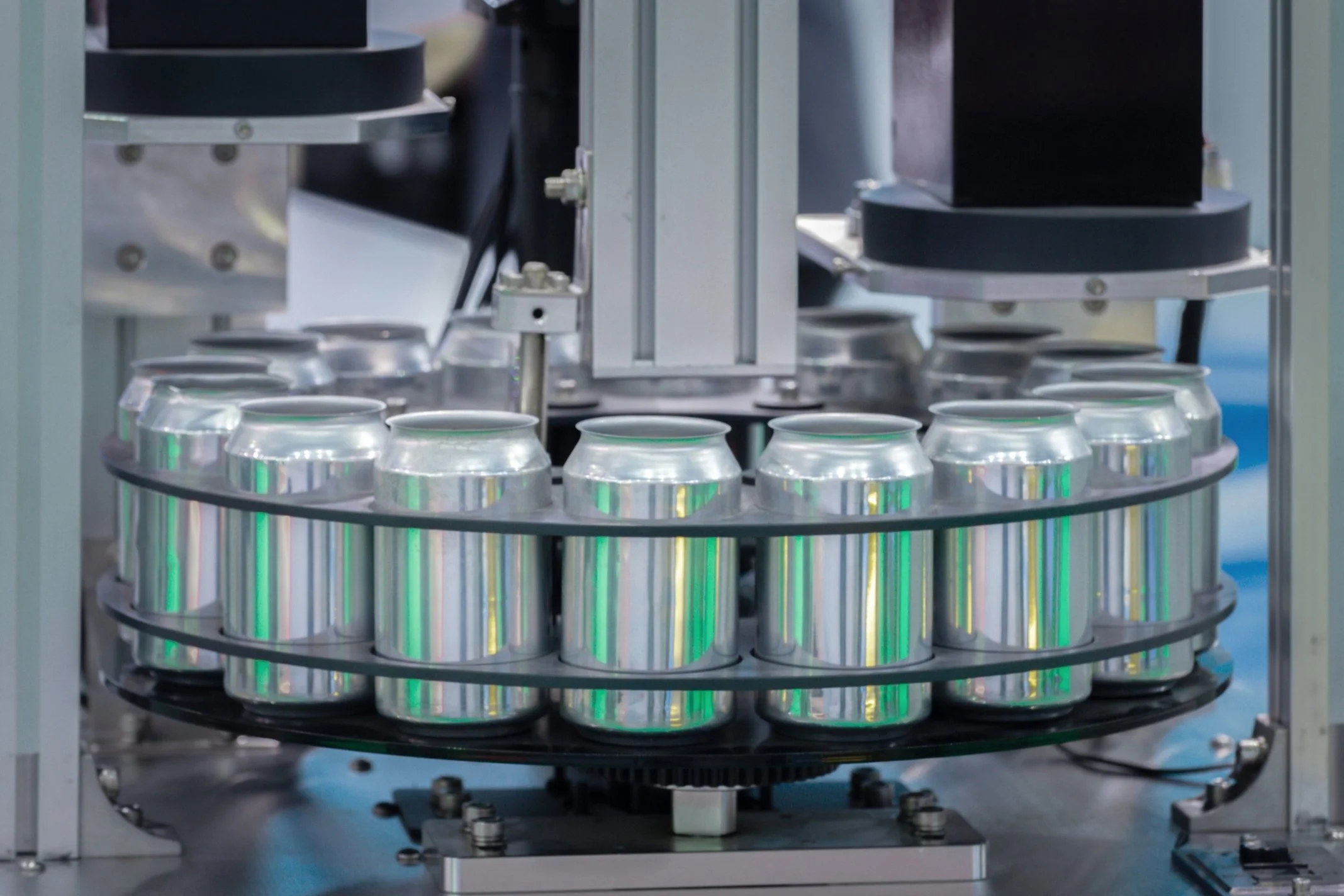
Water-hydraulic actuation is particularly attractive in industries where cleanability, reliability, and energy efficiency are key.
Common applications include:
• Dairy processing plants – milk, yoghurt, and cheese production lines
• Breweries – automated valve control in fermentation and filtration systems
• Beverage production – hygienic valve operation in bottling and mixing processes
• Pharmaceutical manufacturing – sterile process environments requiring contamination control
Because the actuation medium is water rather than compressed air or oil, the technology aligns well with strict hygienic design principles used in these sectors.
ENERGY EFFICIENCY IS DRIVING PROCESS INNOVATION
Compressed air is widely used in industrial automation but is also one of the least energy-efficient utilities in manufacturing. Generating compressed air can consume significant electrical power and require ongoing maintenance of compressors and distribution systems.
Hydract’s water-based actuation systems reduce reliance on compressed air, offering:
• Lower operational energy use
• Reduced compressor infrastructure
• Simpler system integration
• Improved sustainability performance
For food and pharmaceutical manufacturers facing increasing pressure to reduce energy consumption, these improvements can contribute to lower operating costs and improved environmental performance.
WHAT THIS MEANS FOR THE VALVE INDUSTRY
GEA’s acquisition reflects a broader trend within the valve and automation industry: innovation in actuation technology is becoming just as important as valve design itself.
Manufacturers are exploring new ways to improve:
• Energy efficiency
• System integration
• Hygienic performance
• Predictive maintenance capability
As processing industries modernise their plants, the demand for smarter, cleaner, and more efficient valve actuation systems will continue to grow.
GEA’s acquisition of Hydract represents more than just a strategic business move. It highlights how new actuation technologies are reshaping the way process valves operate in hygienic industries.
By integrating water-hydraulic actuation into its portfolio, GEA is positioning itself at the forefront of energy-efficient valve automation for food, beverage, and pharmaceutical production.
As sustainability and operational efficiency become central priorities in modern manufacturing, innovations like Hydract’s technology are likely to play an increasingly important role in the future of process control.