KLINGER Poland’s Acquisition of ARA: What It Means for Pneumatic and Electromechanical Valve Expertise

Industry consolidation continues across the valve and automation sector, and one of the more notable recent moves is KLINGER Poland’s acquisition of ARA. While acquisitions are common in engineering markets, this one is particularly interesting because it strengthens capability in pneumatic and electromechanical actuation systems — two areas central to modern process control.
So what does this actually mean for engineers, distributors, and end users? Let’s break it down in a clear, practical way.
THE DEAL IN SIMPLE TERMS
KLINGER Poland has expanded its technical footprint by acquiring ARA, a company known for expertise in pneumatic actuators and electromechanical valve solutions.
In practical terms, this means:
• Broader actuation capability under one group
• Stronger in-house engineering knowledge
• More integrated valve + actuator solutions
• Expanded product development potential
Rather than supplying just components, the focus shifts toward complete automation packages.
WHY PNEUMATIC & ELECTROMECHANICAL ACTUATION MATTERS
Modern industrial systems increasingly rely on automated valves.
Manual isolation is no longer enough in sectors such as:
• Oil & gas
• Water & wastewater
• Chemical processing
• Energy & power generation
• Manufacturing automation
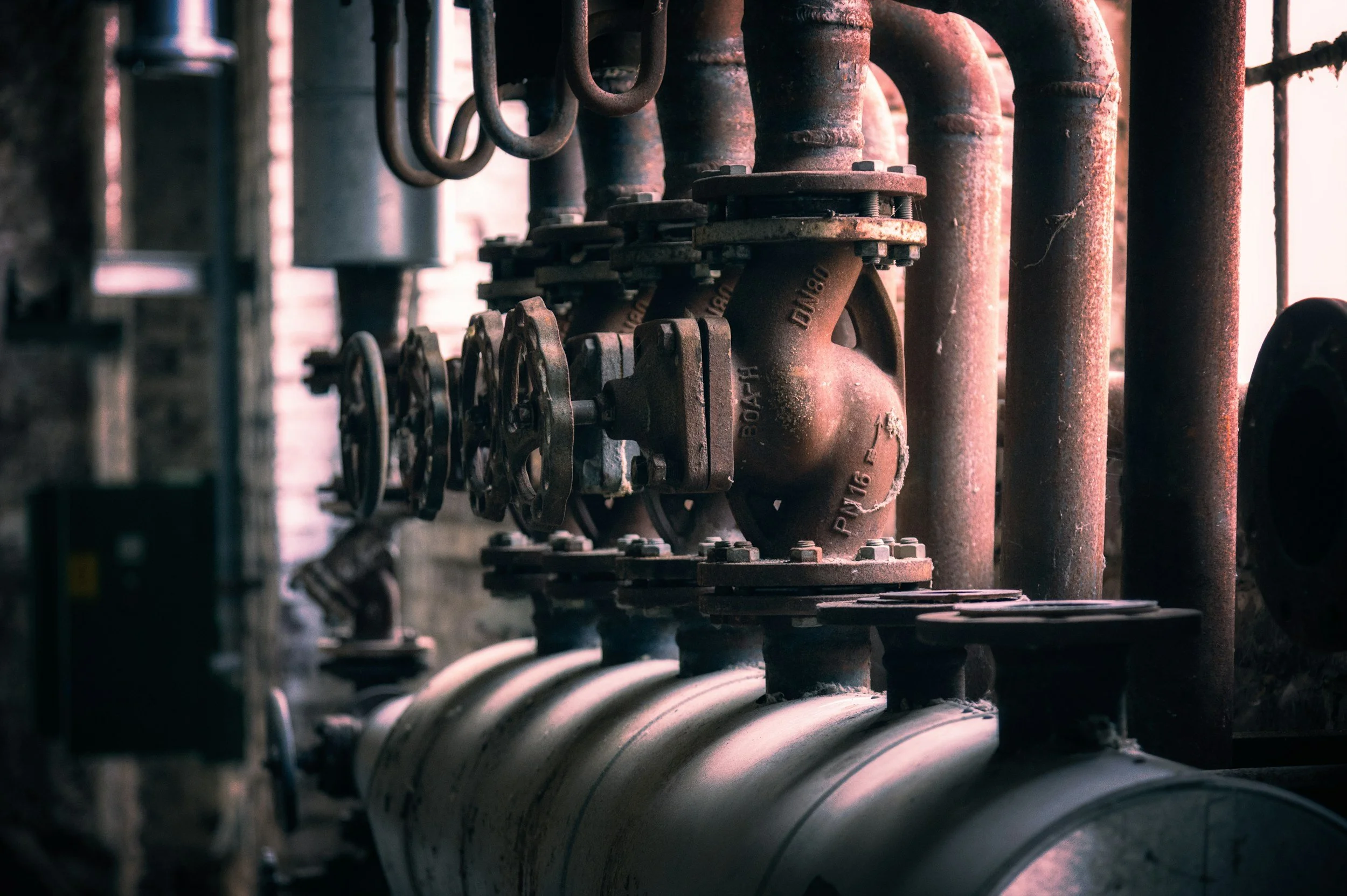
Pneumatic actuators remain dominant in hazardous areas due to their fail-safe reliability and fast response times. Electromechanical actuators, meanwhile, are growing in popularity where energy efficiency, digital integration, and precise control are priorities.
By strengthening its position in both, KLINGER Poland is aligning with a broader industry trend: mechanical valves must now integrate seamlessly with automation systems.
WHAT THIS MEANS FOR VALVE SPECIFIERS
For engineers specifying actuated valves, acquisitions like this often result in:
• Better technical support
• More consistent product compatibility
• Streamlined documentation
• Stronger quality assurance
When valve bodies and actuation expertise sit closer together within the same group, there is typically improved torque matching, mounting alignment, and performance testing.
This reduces risk in areas such as:
• Incorrect actuator sizing
• Poor fail-safe configuration
• Positioning inaccuracies
• Warranty disputes between suppliers
Integration reduces finger-pointing.
A SHIFT TOWARD COMPLETE SOLUTIONS
The valve industry is gradually moving away from fragmented sourcing.
End users increasingly want:
• Factory-assembled valve + actuator packages
• Pre-tested automation units
• Certified documentation bundles
• Simplified supply chains
This acquisition suggests a strategic shift toward complete valve automation solutions, rather than standalone hardware.
For EPC contractors and project engineers, that can mean shorter procurement cycles and fewer integration challenges onsite.
COMPETITIVE LANDSCAPE IMPACT
Strategic acquisitions often increase competitive pressure across the sector. Other actuator and valve manufacturers may respond by:
• Expanding their own automation portfolios
• Investing in digital control systems
• Enhancing smart positioner technology
• Strengthening regional service networks
The overall effect? Faster innovation and stronger technical alignment between mechanical and electrical engineering disciplines.
BIG PICTURE: INDUSTRY DIRECTION
This move reflects a wider industry direction:
Valves are no longer just isolation devices.
Actuators are no longer simple add-ons.
Automation, diagnostics, and integration are becoming central to specification decisions. The companies that control both valve design and actuation expertise are increasingly positioned to offer higher-value engineered packages.
KLINGER Poland’s acquisition of ARA strengthens its expertise in pneumatic and electromechanical actuation — two technologies at the heart of modern process automation.
For the industry, it signals continued consolidation and deeper integration between valve manufacturing and automation systems. For engineers and buyers, it potentially means more complete solutions, stronger technical backing, and better-aligned automation packages.
In today’s process industries, integration is power — and this move reinforces that direction.