The Role of Actuated Valves in Pipeline Infrastructure
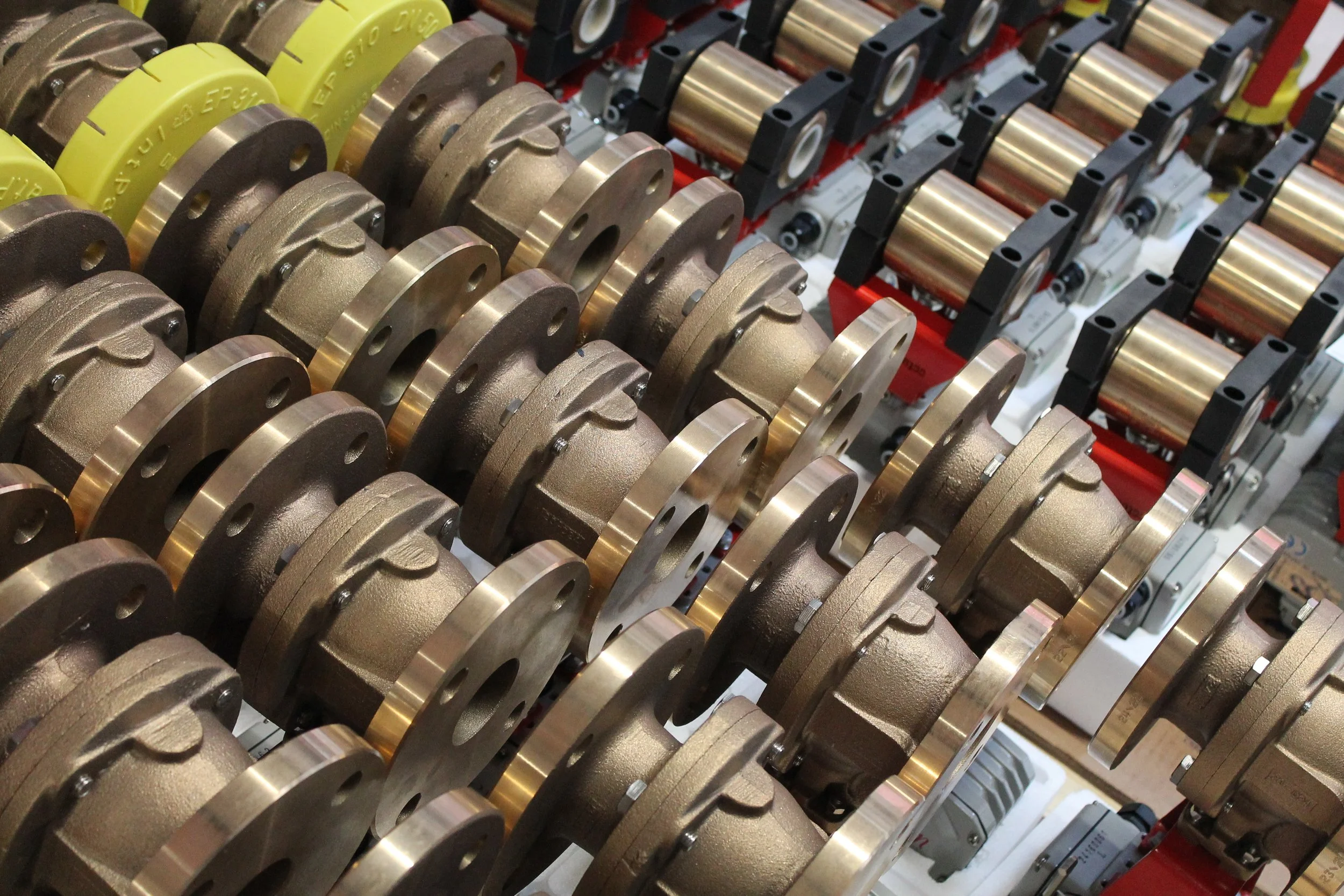
Modern pipeline systems require far more than simple on/off flow control. Across industries such as water treatment, oil and gas, chemical processing, energy production, and manufacturing, operators must manage complex networks where pressure, temperature, and flow conditions are constantly changing. In these environments, speed, precision, and safety are essential. Relying solely on manual valves is no longer practical, particularly where pipelines span large facilities or valves are installed in hazardous or difficult-to-access locations.
This is where actuated valves become essential. By combining a standard valve with an automated actuator, operators gain the ability to control flow remotely, react quickly to system changes, and maintain consistent performance throughout the pipeline network. As industrial infrastructure becomes increasingly automated, actuated valves are now considered a fundamental component of modern process control systems.
At its simplest, an actuated valve is a standard valve—such as a ball valve, butterfly valve, or globe valve—that has been fitted with an actuator. The actuator provides the mechanical force required to open, close, or modulate the valve using an external power source. Instead of manual operation, the valve can be controlled automatically through a control system or remotely from a central control room.
This capability is particularly important in large-scale industrial environments. In a water treatment facility, for example, hundreds of valves may need to operate in a coordinated sequence. In an oil refinery, valves must respond instantly to pressure changes or safety triggers. Actuated valves allow these systems to operate automatically and reliably without the need for constant manual intervention.
Three main types of actuators are commonly used to automate valves in industrial systems:
Pneumatic Actuators use compressed air to generate movement. They are widely used across many industries because they are reliable, simple in design, and capable of operating quickly. Pneumatic systems also provide an important safety advantage. In the event of power loss, the actuator can move the valve to a predefined fail-safe position—either open or closed—helping protect equipment and personnel.
Electric Actuators are another common choice, particularly where compressed air systems are not available. Electric actuation is ideal for remote installations or applications that require precise control and integration with digital monitoring systems. Modern electric actuators can communicate directly with control platforms such as SCADA systems, allowing operators to monitor valve position, performance, and operating conditions in real time.
Hydraulic Actuators are typically used in heavy-duty applications where extremely high torque is required. Large pipeline valves, offshore installations, and demanding industrial processes often rely on hydraulic actuation to move valves that would otherwise require significant mechanical force. These systems provide powerful and controlled valve movement, making them suitable for large-scale infrastructure.
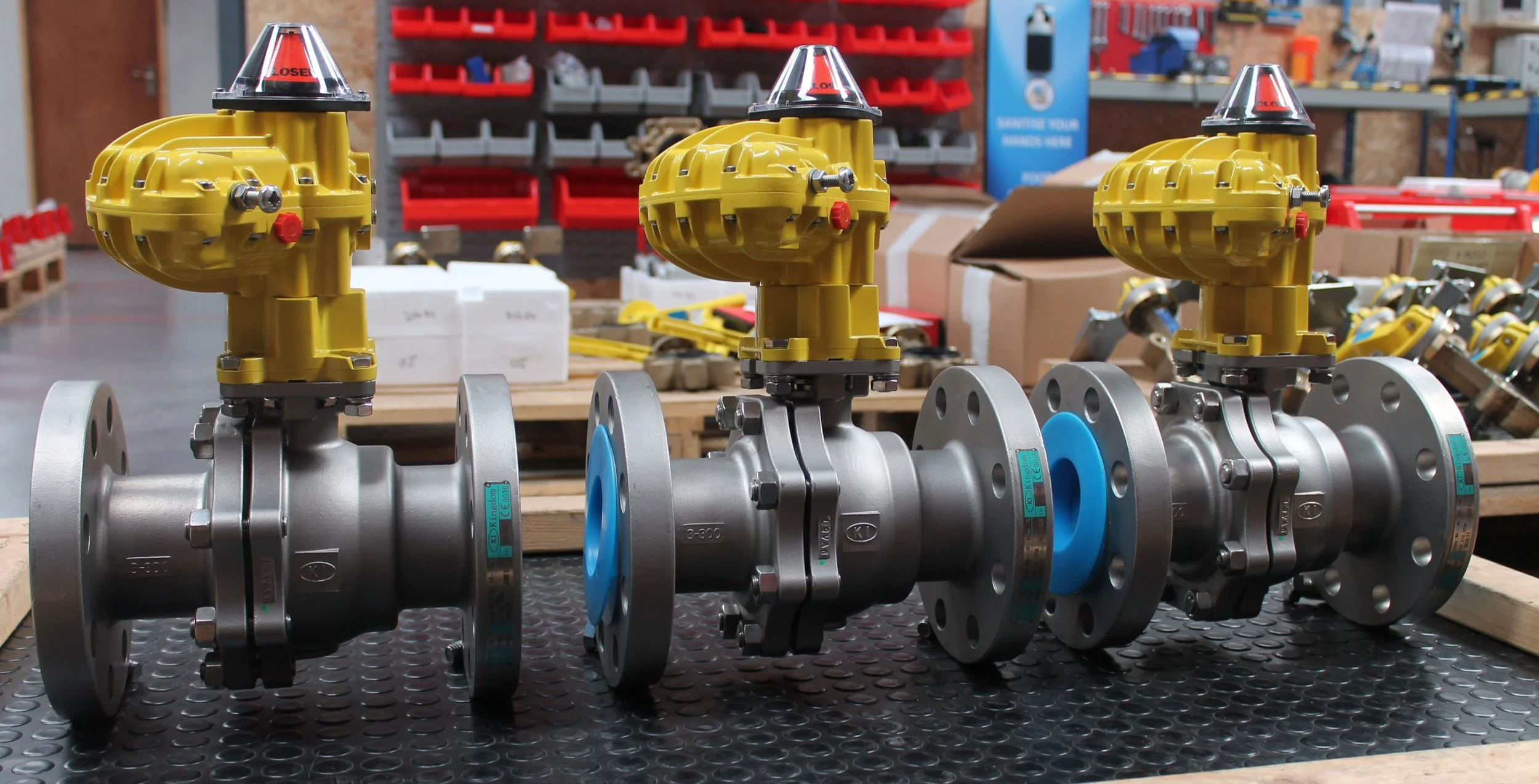
While actuator technology is critical, the performance of an actuated valve ultimately depends on correct engineering and assembly. The valve, actuator, mounting bracket, and drive coupling must all be properly matched to ensure smooth and reliable operation. Torque requirements must be calculated accurately so that the actuator can operate the valve under all expected conditions. Alignment between components must also meet recognised standards to prevent mechanical stress and premature wear.
Poorly matched or incorrectly assembled actuated valves can lead to a range of operational problems. These may include slow valve movement, leaks, excessive wear, or even mechanical failure. For this reason, many industrial operators choose to source fully assembled and tested valve automation packages from specialist suppliers rather than attempting to assemble components themselves.
This is where companies with expertise in valve automation play a crucial role. Actuation Valve specialises in supplying engineered actuated valve packages designed to meet the specific requirements of each application. By carefully selecting the correct valve type, actuator size, and mounting configuration, specialist suppliers ensure that the final assembly delivers reliable performance and long service life.
In addition to technical performance, compliance and certification are essential when installing actuated valves in industrial environments. Many industries operate under strict regulatory frameworks that govern equipment used within pressure systems or hazardous areas. Actuated valves may need to comply with pressure equipment regulations, hazardous area certifications such as ATEX, and strict documentation requirements related to material traceability and quality control.
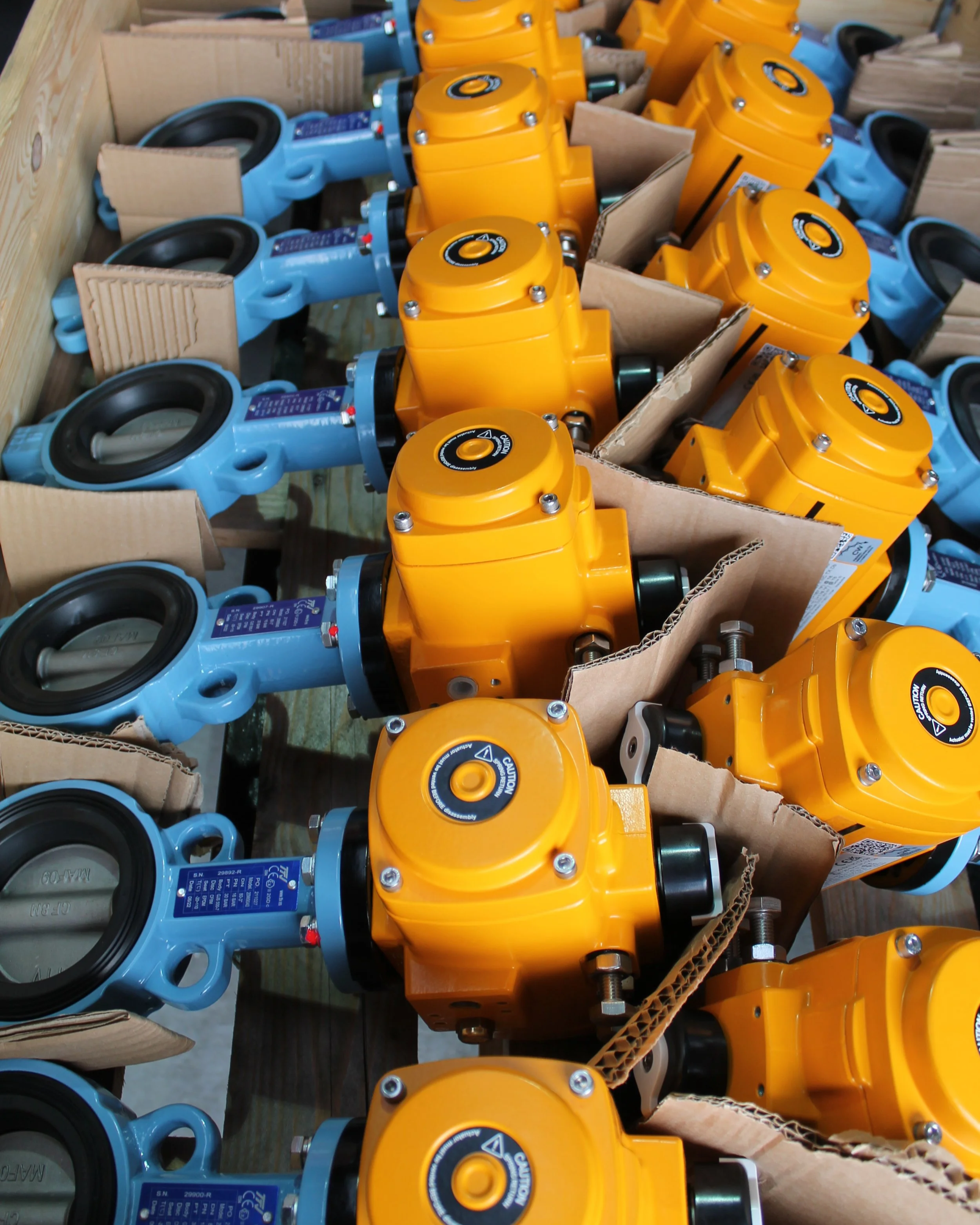
Meeting these standards is vital for both safety and operational reliability. Properly documented assemblies provide assurance that every component has been selected and tested in accordance with recognised engineering standards. This reduces risk and ensures that systems remain compliant throughout their operational life.
The role of actuated valves is also evolving as digital technologies become more widely adopted across industrial infrastructure. Modern valve automation systems increasingly include smart positioners and integrated monitoring devices. These components provide continuous feedback on valve performance, movement cycles, and operating conditions.
This data allows operators to implement predictive maintenance strategies. Rather than waiting for a valve to fail, engineers can identify early signs of wear or reduced performance and schedule maintenance before a problem develops. Predictive maintenance not only reduces downtime but also improves safety and extends the service life of critical equipment.
Digital integration is transforming actuated valves from simple mechanical devices into intelligent control points within automated systems. Communication protocols allow actuators and positioners to send real-time data directly to plant control systems, providing a clearer picture of how the entire pipeline network is performing. In large industrial facilities where hundreds of valves operate simultaneously, this level of visibility is invaluable.
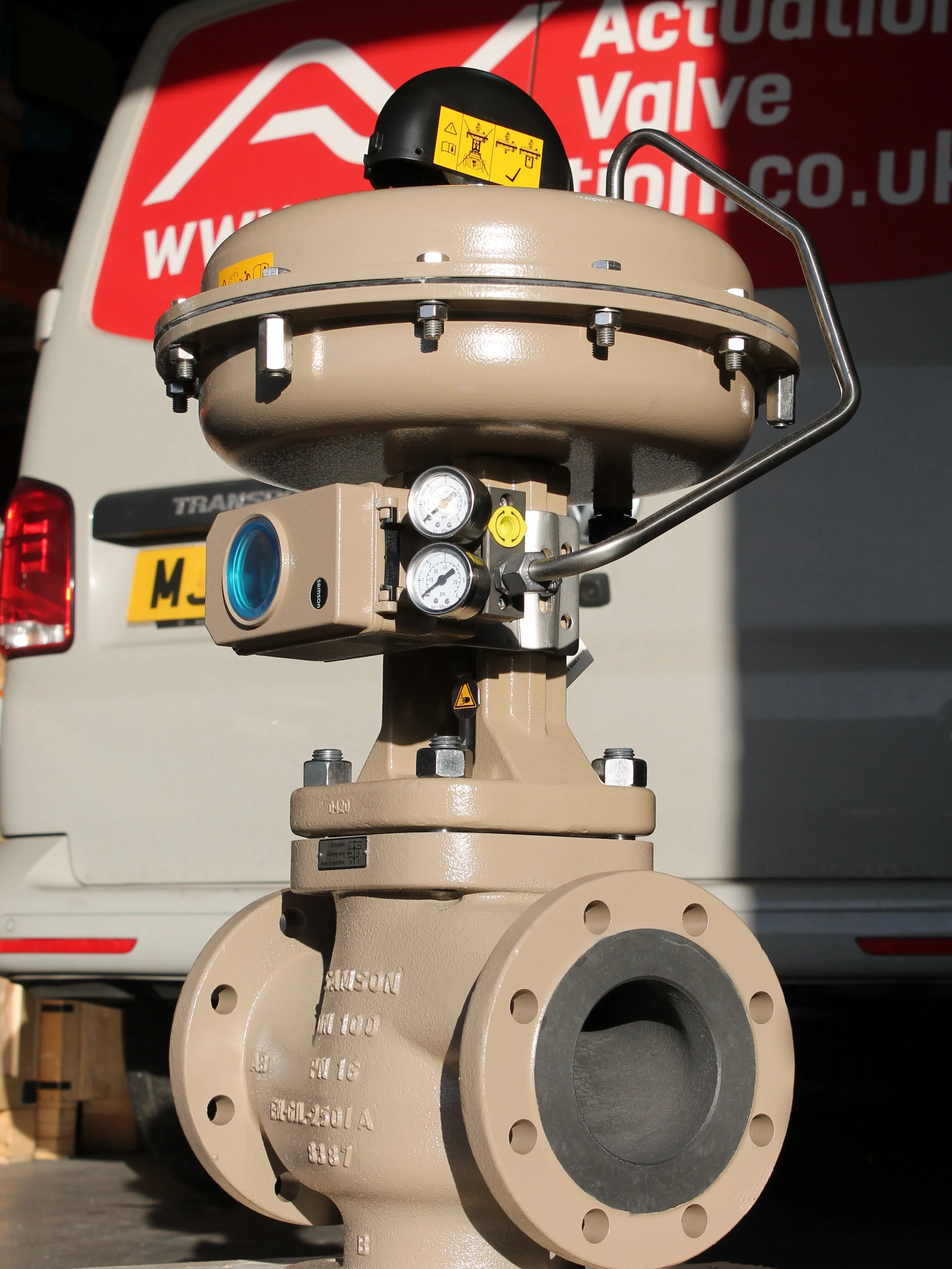
Suppliers that specialise in valve automation continue to play an important role as these technologies develop. Companies such as Actuation Valve focus specifically on delivering complete actuated valve solutions that combine high-quality valves, reliable actuators, and precision assembly. By providing fully tested valve automation packages, they help simplify installation while ensuring that each system operates as intended.
Looking ahead, the demand for actuated valves is expected to continue growing as industries place greater emphasis on automation, safety, and efficiency. As pipeline infrastructure expands and process systems become more advanced, the ability to control valves remotely and monitor their performance in real time will become even more important.
In today’s industrial environment, actuated valves are an essential part of modern automation systems, helping operators maintain safe, efficient, and reliable operations across complex pipeline networks.