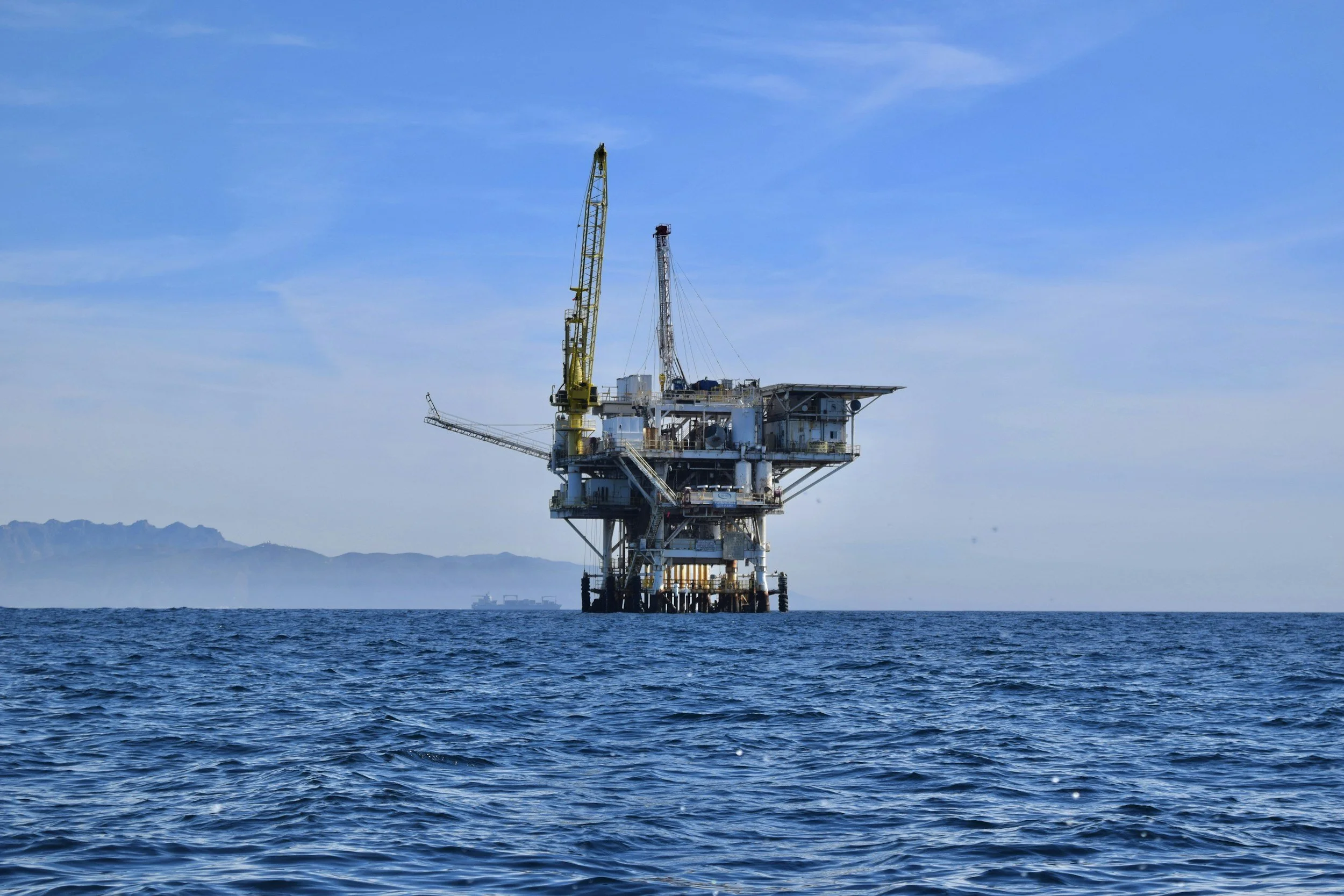
Oil & Gas Valve Applications
![Oil & Gas Valve Applications]](https://images.squarespace-cdn.com/content/v1/697a1128459a623ee905f83d/771b0c1f-6943-4aed-a24d-4ec69273362d/Oil+%26+Gas+Valve+Applications.jpg)
INTRODUCTION: WHY VALVES ARE CRITICAL IN OIL & GAS
The oil and gas industry is one of the most demanding environments any valve can operate in. Extreme pressures, high temperatures, corrosive media, and remote locations mean there is zero tolerance for failure. In these systems, valves are not just flow-control components — they are critical safety and isolation devices.
From extracting raw hydrocarbons to transporting them across continents and refining them into usable products, valves play a central role at every stage. Understanding how valve requirements differ across upstream, midstream, and downstream operations is essential for safe and reliable system design.
UPSTREAM VALVE APPLICATIONS (EXPLORATION & PRODUCTION)
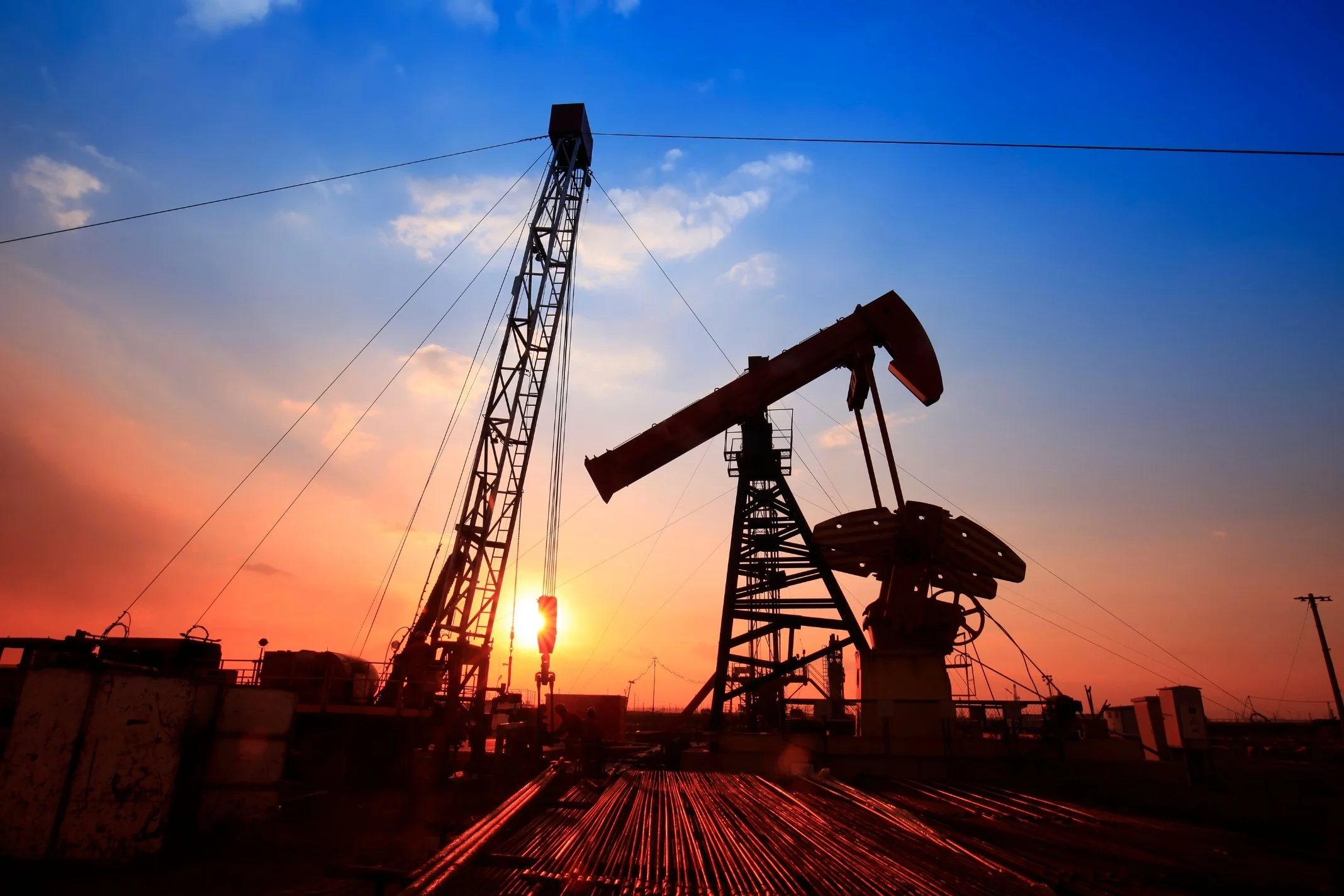
Upstream operations focus on extracting oil and gas directly from the ground. This stage exposes valves to extremely high pressures, abrasive media, sand, corrosive gases, and wide temperature fluctuations.
Valves used upstream must be built for durability and reliability. High-pressure ball valves, gate valves, and choke valves are commonly used to control and isolate flow from wells. Materials such as carbon steel, stainless steel, duplex, and super duplex are often required to handle corrosion and stress.
Failure in upstream applications can result in production shutdowns, environmental damage, and serious safety incidents — making valve selection absolutely critical.
MIDSTREAM VALVE APPLICATIONS (TRANSPORT & STORAGE)
Midstream operations involve transporting oil and gas via pipelines, storage terminals, and pumping or compression stations. Here, valves must handle continuous operation over long distances, often in remote or harsh outdoor environments.
Pipeline valves are typically large-diameter and designed for isolation rather than fine control. Ball valves, plug valves, and slab gate valves are widely used due to their reliable shut-off and low pressure drop.
Fire safety is a major concern in midstream systems. Fire-safe valve design is often mandatory, ensuring that valves maintain sealing integrity even after exposure to extreme heat. Actuated valves with remote operation are also common, allowing systems to be isolated quickly during emergencies.
DOWNSTREAM VALVE APPLICATIONS (REFINING & PROCESSING)
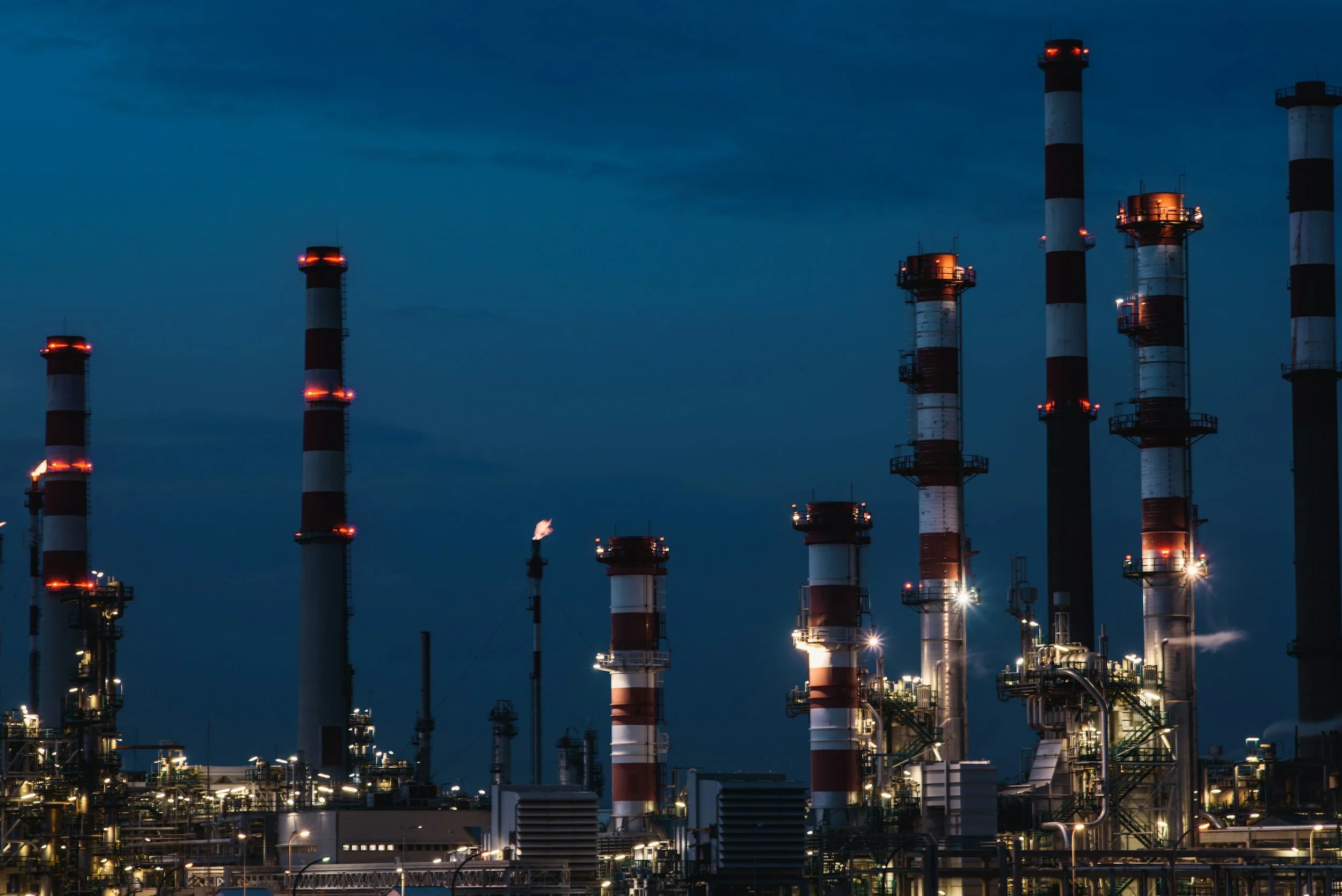
Downstream facilities such as refineries and petrochemical plants introduce a different set of challenges. Valves must cope with high temperatures, aggressive chemicals, and complex process control requirements.
This is where control valves become essential. Globe control valves, high-performance butterfly valves, and actuated ball valves are used to regulate flow, pressure, and temperature with precision. Fire-safe construction, anti-static features, and compliance with international standards are often required.
In downstream applications, valve performance directly affects process efficiency, product quality, and plant safety.
KEY DESIGN REQUIREMENTS IN OIL & GAS VALVES
Across all oil and gas applications, certain requirements remain constant:
• High pressure and temperature capability
• Fire-safe and anti-static design
• Corrosion-resistant materials
• Reliable sealing under extreme conditions
• Compatibility with automation and remote operation
Valves must also comply with strict industry standards and testing requirements to ensure long-term performance.
CONCLUSION: VALVES BUILT FOR EXTREME CONDITIONS
Oil and gas applications push valves to their limits. Whether upstream, midstream, or downstream, selecting the correct valve design, materials, and standards is essential to protect people, assets, and the environment.
In this industry, valves are not optional components — they are mission-critical infrastructure.