Hygienic Valve Applications in Food & Pharmaceutical Industries
INTRODUCTION: WHY HYGIENIC VALVES ARE DIFFERENT
In food and pharmaceutical industries, valves do far more than control flow. They play a direct role in product safety, quality, and regulatory compliance. Any component that comes into contact with consumable or medicinal products must meet strict hygiene standards to prevent contamination, bacterial growth, and cross-product carryover.
This is where hygienic valves come in. Unlike standard industrial valves, hygienic valves are specifically designed to be easy to clean, resistant to contamination, and safe for sensitive processes. Choosing the wrong valve in these environments can lead to failed audits, product recalls, and serious reputational damage.
WHY HYGIENE STANDARDS MATTER
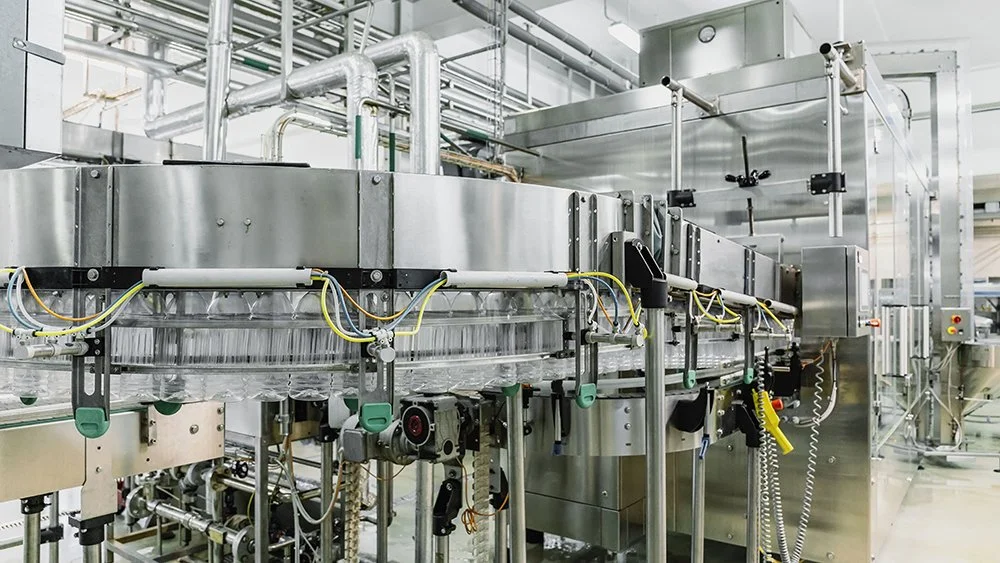
Food and pharmaceutical production environments are governed by strict hygiene regulations. Valves must not trap product, harbour bacteria, or introduce foreign materials into the process stream. Even small design flaws — such as internal crevices or poor sealing — can create contamination risks.
Hygiene standards exist to ensure that every surface in contact with product can be cleaned effectively, either manually or through automated cleaning processes.
Valves that fail to meet these standards are not just inefficient — they are unsafe.
In these industries, compliance isn’t optional. It’s fundamental.
CLEANABILITY AND CIP / SIP REQUIREMENTS
One of the defining features of hygienic valves is cleanability. Most food and pharmaceutical facilities rely on CIP (Clean-in-Place) and SIP (Sterilise-in-Place) systems to clean equipment without dismantling it.
Hygienic valves are designed with smooth internal profiles, minimal dead space, and self-draining geometry. This allows cleaning fluids and steam to reach every internal surface, ensuring complete removal of residue and microorganisms.
Valves that cannot be effectively cleaned become weak points in otherwise hygienic systems.
MATERIAL SELECTION AND SURFACE FINISH
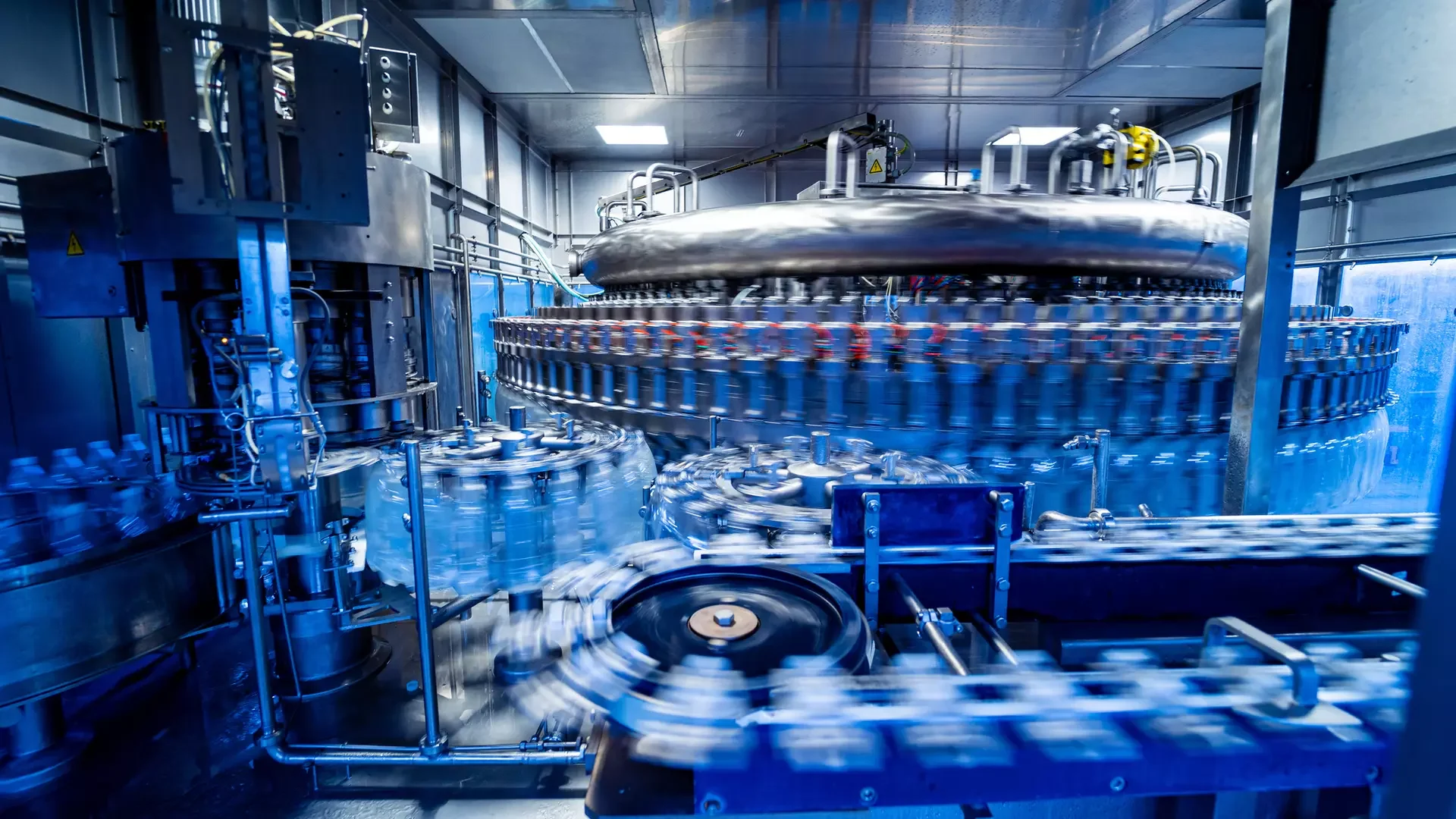
Material choice is critical in hygienic valve applications. Stainless steel is the industry standard, offering excellent corrosion resistance, mechanical strength, and compatibility with aggressive cleaning chemicals.
Just as important as the material itself is surface finish. Polished internal surfaces reduce bacterial adhesion and make cleaning more effective. In pharmaceutical applications especially, surface roughness is tightly controlled to meet validation and inspection requirements.
Incorrect materials or poor finishes can compromise hygiene even if the valve appears robust.
COMMON HYGIENIC VALVE DESIGNS
Several valve designs are commonly used in hygienic systems, each chosen based on process requirements.
Hygienic ball valves provide reliable shut-off and are widely used for isolation duties.
Butterfly valves offer compact design and quick operation in low-pressure applications.
Diaphragm valves are favoured in pharmaceutical processes due to their excellent separation between actuator and media.
All hygienic valve designs prioritise cleanability, minimal crevices, and compatibility with sanitary connections such as tri-clamp fittings.
CONCLUSION: VALVES AS PART OF PRODUCT SAFETY
In food and pharmaceutical industries, hygienic valves are not just mechanical components — they are part of the product safety system. Cleanability, material selection, surface finish, and valve design all work together to protect consumers and ensure compliance.
Selecting the correct hygienic valve reduces contamination risk, simplifies cleaning, and supports consistent, high-quality production.