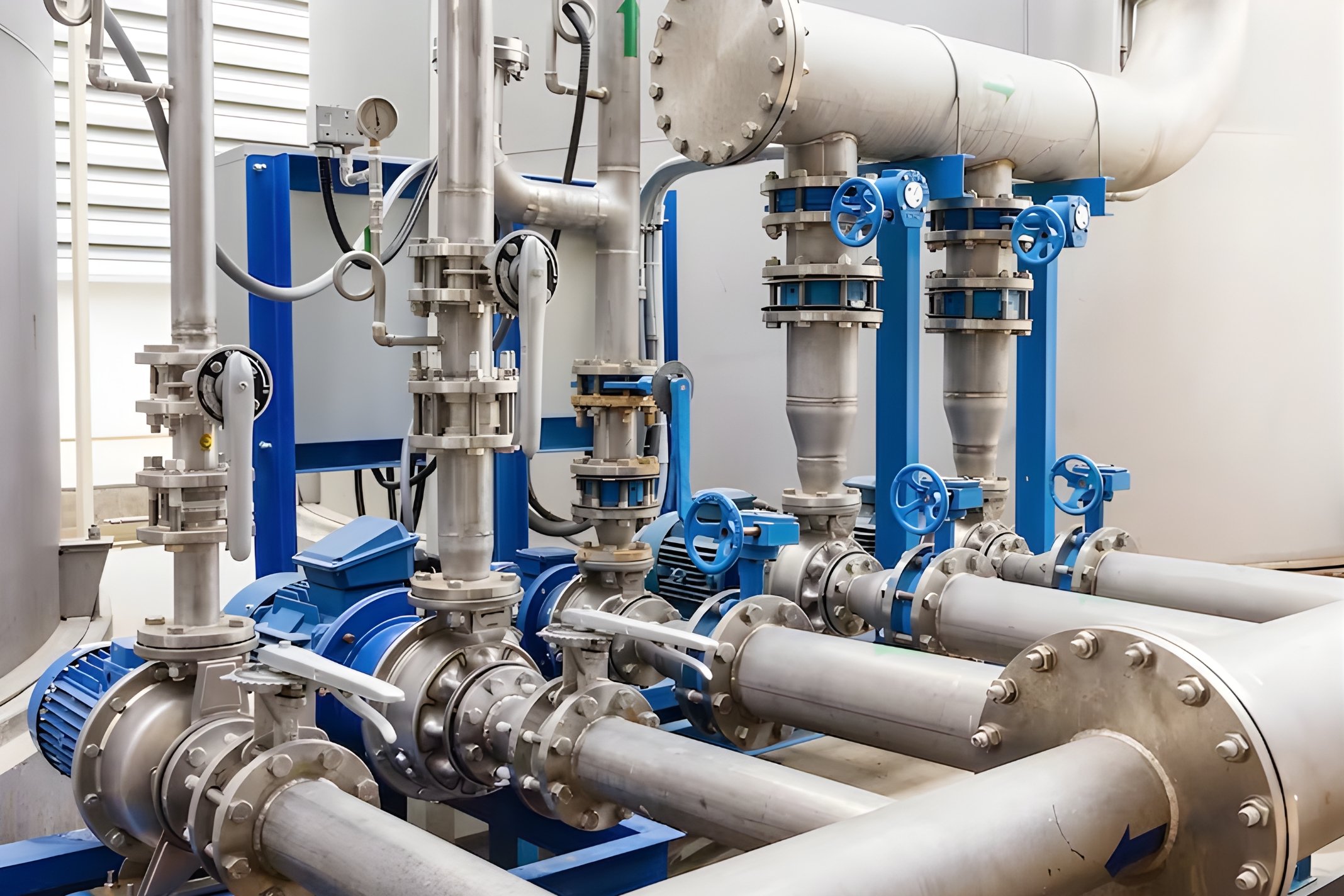
Valves for Water & Wastewater Applications Explained
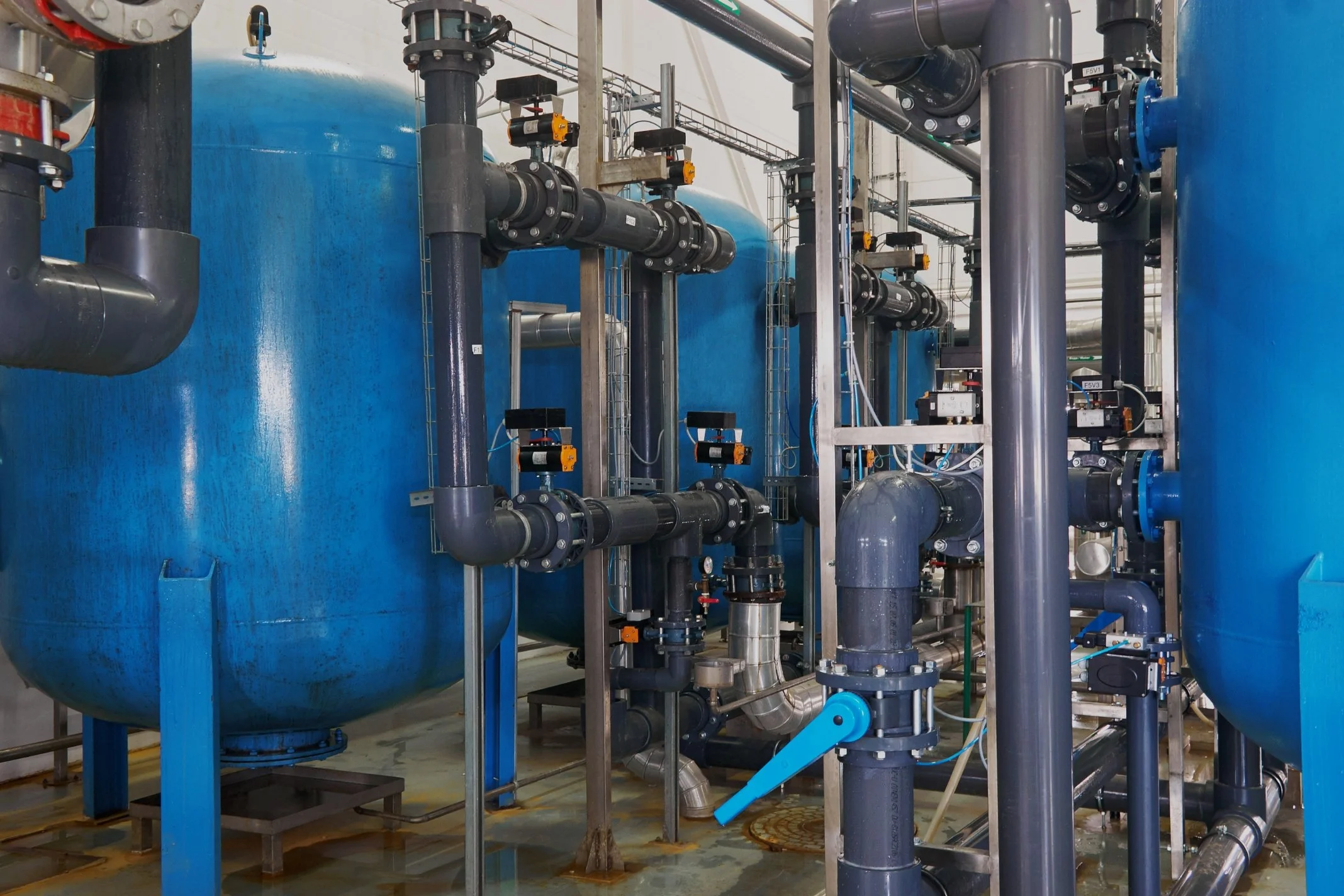
INTRODUCTION: WHY WATER APPLICATIONS DEMAND THE RIGHT VALVES
Water and wastewater systems are everywhere — from potable drinking water networks to wastewater treatment plants and pumping stations. While water may seem like a simple medium, valves used in water and wastewater applications face some of the most demanding operating conditions. Continuous operation, large pipe sizes, fluctuating pressures, and strict regulatory requirements all place heavy demands on valve performance.
Selecting the correct valve is critical not only for system efficiency, but also for public safety, environmental protection, and long-term reliability. Poor valve choice can lead to leakage, contamination, costly maintenance, or regulatory non-compliance.
VALVES USED IN POTABLE WATER SYSTEMS
Potable water systems require valves that are safe for human consumption and resistant to corrosion. Materials and sealing components must not leach harmful substances into the water supply. This is why compliance with potable water regulations is essential.
Common valves used in potable water networks include butterfly valves, gate valves, ball valves, and check valves. These are typically used for isolation, flow control, and backflow prevention. Materials such as ductile iron, bronze, and stainless steel are widely used, often with protective coatings to prevent corrosion.
Sealing materials are just as important. Seats and seals must be approved for contact with drinking water, ensuring taste, odour, and water quality are not affected.
WASTEWATER AND TREATMENT PLANT APPLICATIONS
Wastewater applications introduce a completely different set of challenges. Valves must handle solids, debris, chemicals, and abrasive media while operating reliably in harsh environments. In treatment plants, valves are used throughout processes such as screening, aeration, filtration, and sludge handling.
Knife gate valves, resilient seated gate valves, butterfly valves, and plug valves are commonly used in wastewater systems. These designs are chosen for their ability to handle solids without clogging and maintain reliable shut-off.
Materials and coatings play a major role in longevity. Corrosion-resistant bodies, robust seals, and abrasion-resistant components are essential to prevent premature failure.
PUMPING STATIONS AND INFRASTRUCTURE SYSTEMS
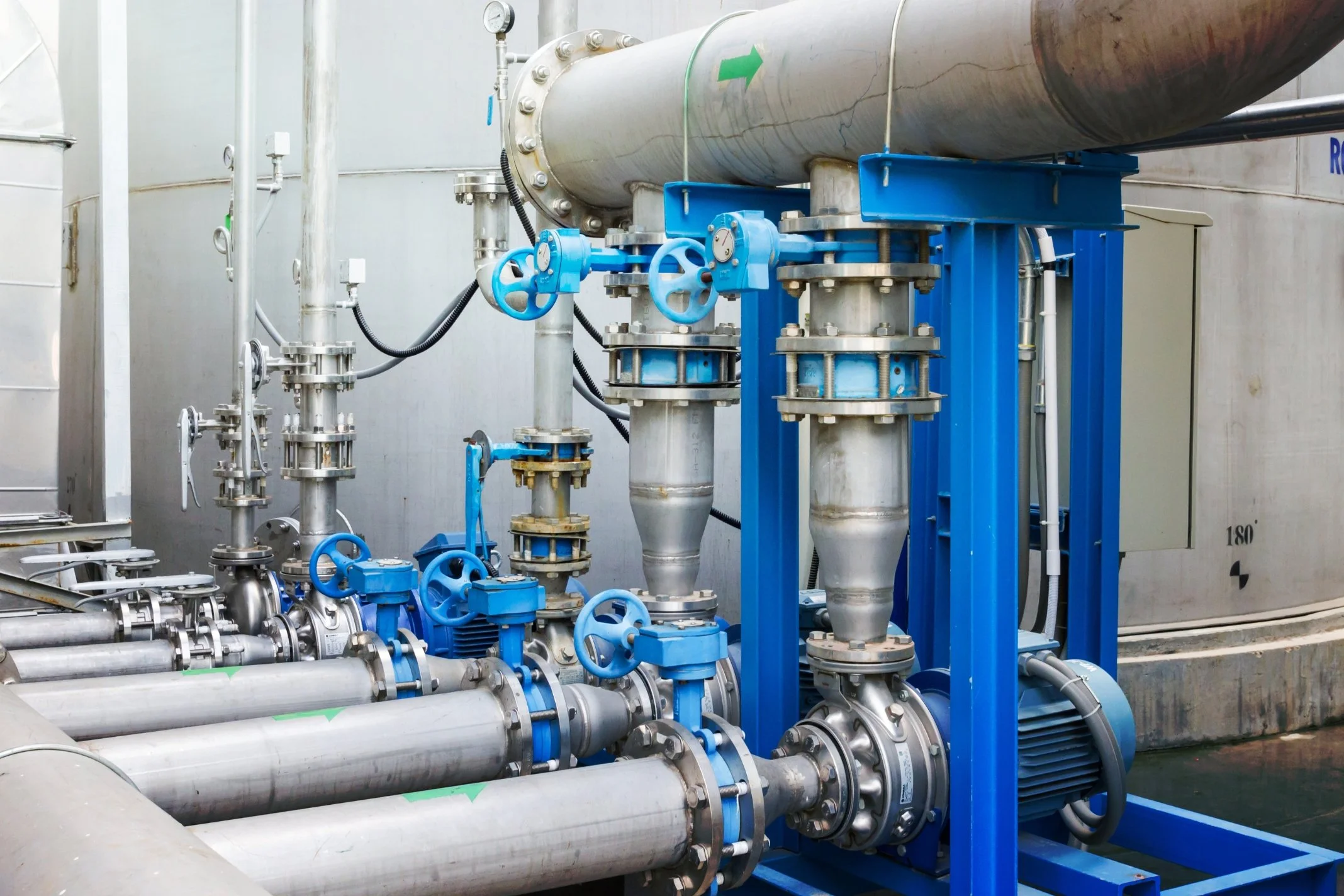
Pumping stations are critical points within water and wastewater networks. Valves installed here must handle pressure surges, rapid cycling, and continuous service. Failure at a pumping station can disrupt large sections of infrastructure.
Isolation valves, non-return valves, and control valves are commonly installed to protect pumps and maintain stable flow. Reliability is the primary requirement, as access for maintenance is often limited and downtime can be extremely costly.
In buried or remote installations, valve durability and long service life become even more important.
MATERIALS, SEALING, AND COMPLIANCE
Across all water-related applications, material selection and sealing performance are key. Valves must resist corrosion, cope with pressure fluctuations, and operate smoothly over long periods. Incorrect material choice can result in seizure, leakage, or contamination.
Compliance is equally critical. Water industry valves are subject to strict national and regional standards, covering materials, coatings, and sealing compounds. These standards ensure valves perform safely throughout their lifecycle and meet regulatory expectations.
CONCLUSION: RELIABILITY IS NON-NEGOTIABLE
Water and wastewater valves operate quietly in the background, but their importance cannot be overstated. From protecting drinking water quality to ensuring wastewater is treated safely, valves are fundamental to public health and environmental protection.
Correct valve selection — with careful attention to materials, sealing, and compliance — delivers reliability, reduces maintenance, and ensures long-term system performance.