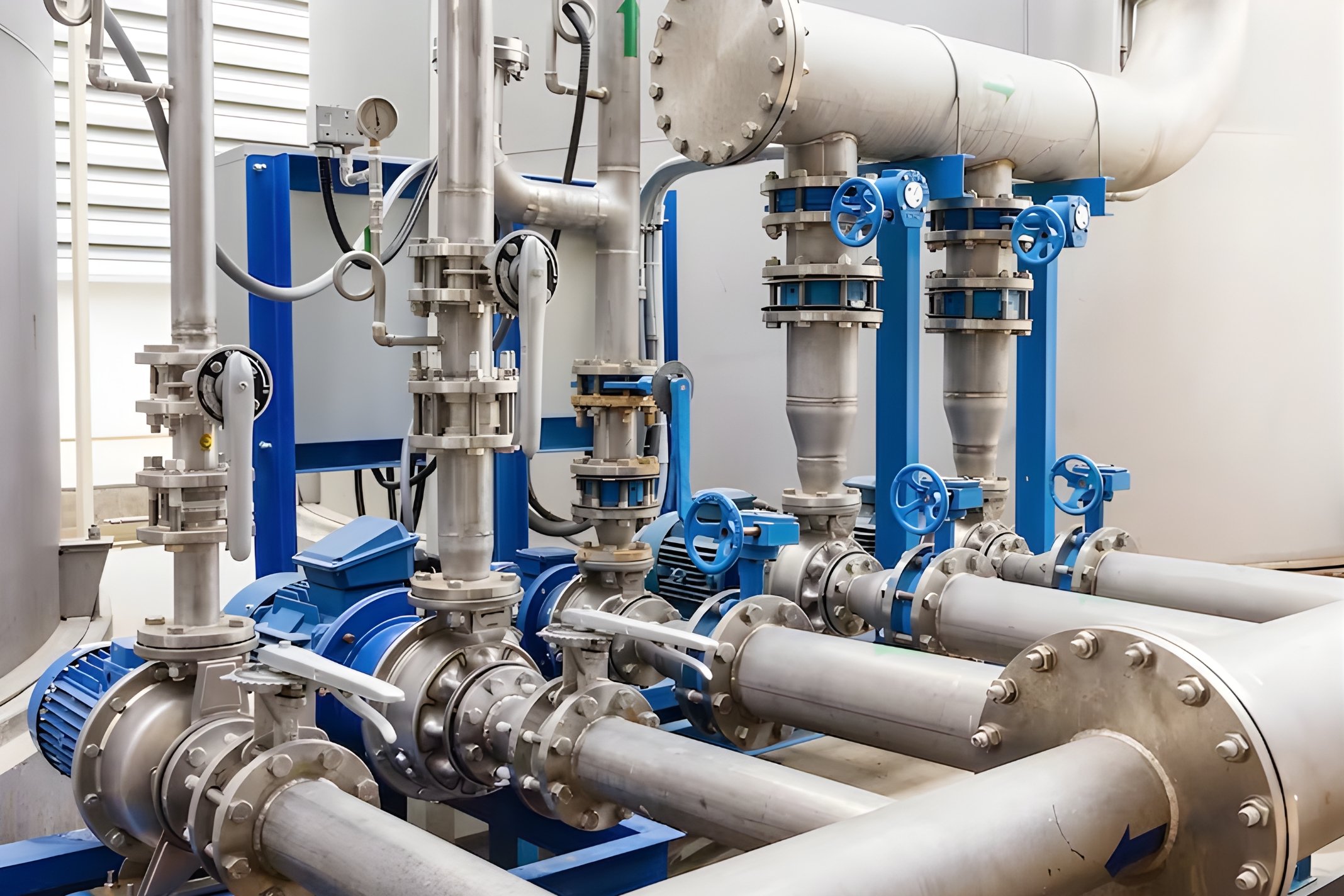
How to Choose the Right Valve for Your Application

INTRODUCTION: WHY VALVE SELECTION IS NOT ONE-SIZE-FITS-ALL
Choosing the right valve is one of the most important decisions in any fluid system. A valve that looks correct on paper can still fail if it’s not suited to the real operating conditions. Flow media, pressure, temperature, and installation environment all interact, and ignoring just one of these factors can lead to leaks, poor control, excessive wear, or system downtime.
This guide walks through valve selection step by step, helping you make informed decisions that improve reliability, safety, and long-term performance.
STEP 1: UNDERSTAND THE MEDIA
The first question to answer is simple: what is flowing through the valve? Water, steam, gas, oil, chemicals, and food-grade products all behave differently and place different demands on valve materials and seals.
Clean water may allow a wide range of valve options, while steam introduces high temperature and pressure concerns. Aggressive chemicals may require corrosion-resistant materials, and hygienic media demand smooth surfaces and easy cleaning.
Media type determines body material, seat material, and valve design before anything else is considered.
STEP 2: DEFINE PRESSURE AND TEMPERATURE
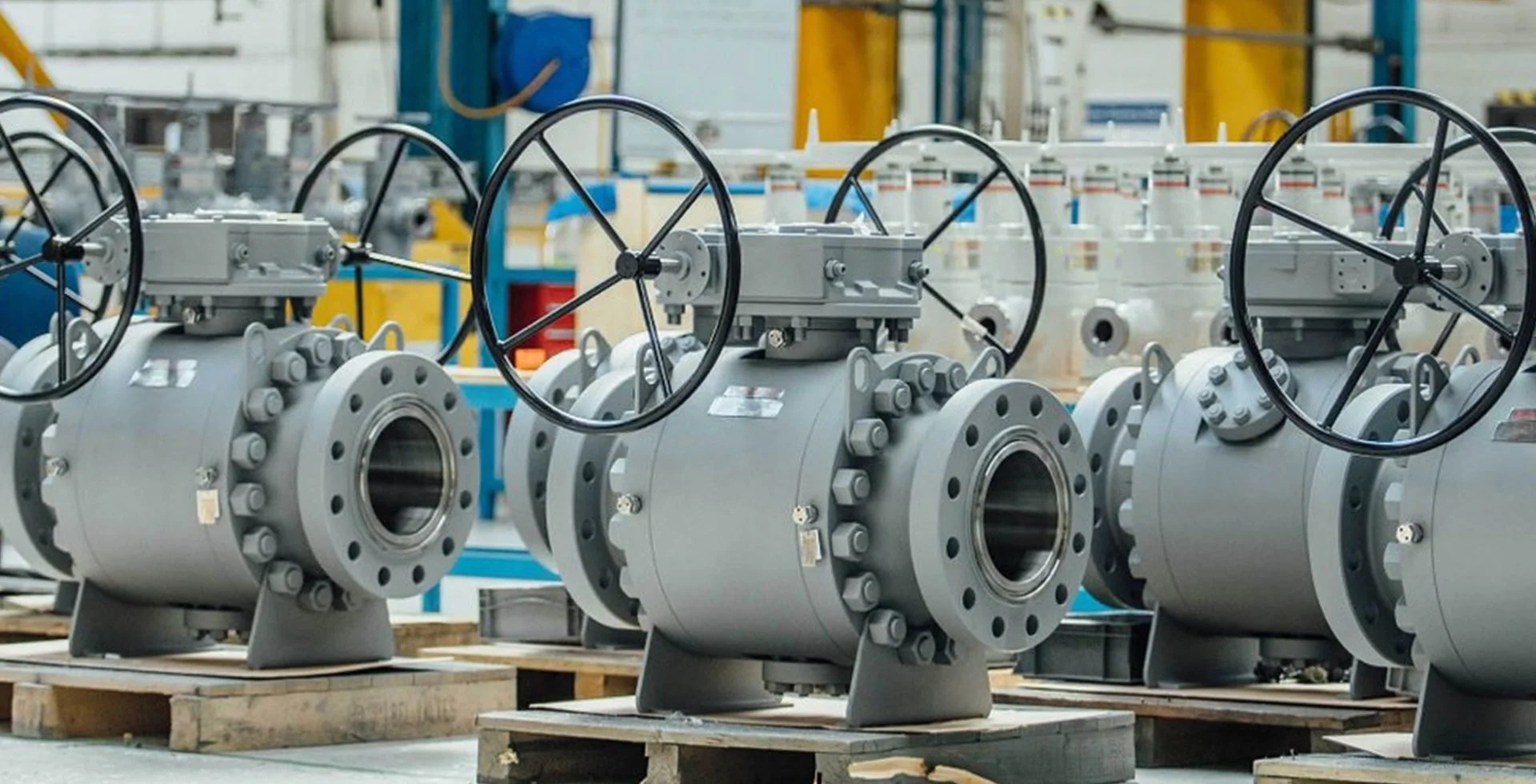
Pressure and temperature limits are critical and must always be considered together. Valves are rated using pressure–temperature relationships, not fixed values. As temperature increases, allowable pressure decreases.
Always select a valve based on maximum operating pressure at maximum operating temperature, including start-up and upset conditions.
Selecting a valve based only on normal operating values is a common cause of premature failure.
Pressure ratings, temperature limits, and de-rating curves must all align with real-world conditions.
STEP 3: CONSIDER FLOW REQUIREMENTS
Flow rate and control requirements influence both valve size and valve type. Some valves are designed for simple on/off operation, while others are intended for throttling and regulation.
Oversized valves can cause unstable control and noise. Undersized valves restrict flow and increase pressure drop. Understanding flow rate, velocity limits, and required control accuracy ensures the valve performs as intended throughout its operating range.
Correct sizing improves efficiency and reduces wear.
STEP 4: ASSESS THE INSTALLATION ENVIRONMENT
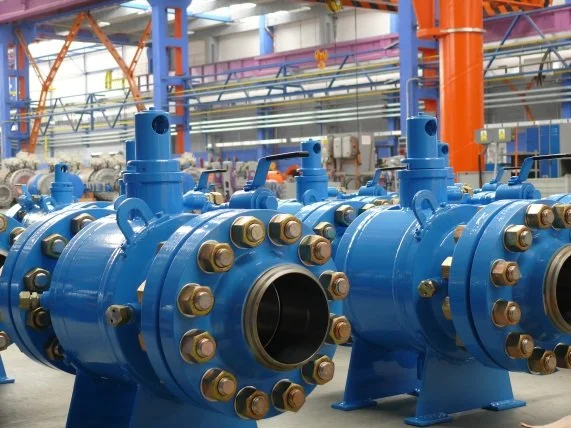
Where the valve is installed matters just as much as what flows through it. Indoor plant rooms, outdoor pipework, washdown areas, hazardous zones, and high-vibration environments all affect valve choice.
Environmental factors in Engineering Projects influence material selection, sealing arrangements, coatings, and actuator requirements. A valve suitable for a clean indoor environment may fail quickly outdoors if not properly protected.
Always match the valve construction to the surrounding conditions.
STEP 5: THINK ABOUT OPERATION AND MAINTENANCE
Finally, consider how the valve will be operated and maintained. Manual, electric, and pneumatic operation each suit different applications. Accessibility, maintenance frequency, and future automation plans should all be considered at the selection stage.
Choosing a valve that is easy to operate, inspect, and service reduces lifetime costs and avoids unnecessary disruption.
CONCLUSION: THE RIGHT VALVE PROTECTS THE WHOLE SYSTEM
Selecting the right valve is about understanding the full picture, not just choosing a familiar product. When media type, pressure, temperature, flow, and environment are all considered together, the result is a safer, more efficient, and more reliable system.
Good valve selection prevents problems long before they appear.