Tenaris Develops Advanced Welding Solutions for High-Pressure Pipeline Integrity
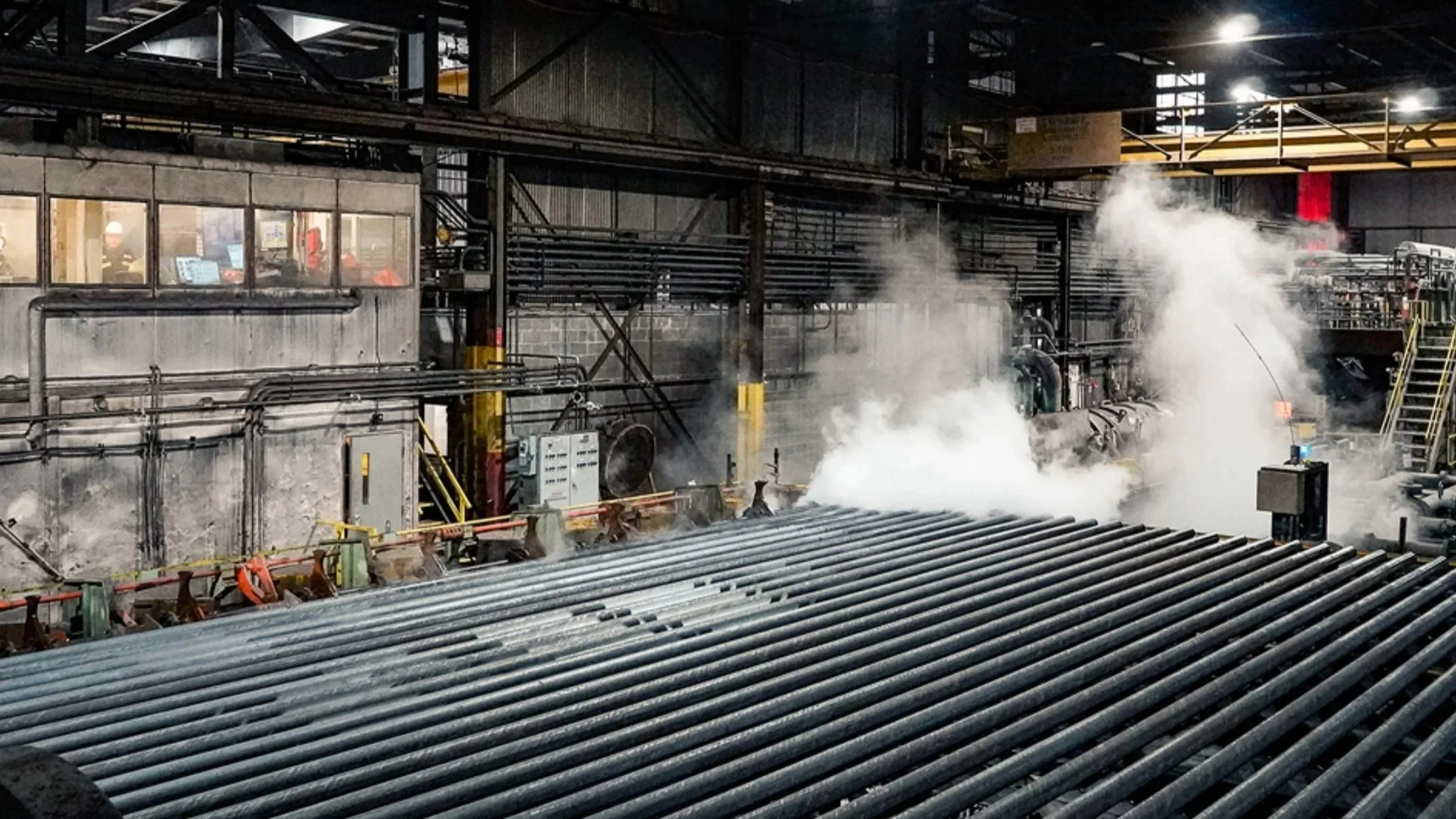
As pipeline systems are pushed to operate at higher pressures and under more demanding conditions, the integrity of welded joints has become a critical focus for engineers and operators. Tenaris, a global leader in steel pipe manufacturing, is advancing welding technologies designed to improve strength, consistency, and long-term reliability in high-pressure pipeline applications.
With increasing demand across oil & gas, hydrogen infrastructure, and energy transition projects, welding is no longer just a fabrication step — it is a defining factor in pipeline performance and safety.
THE IMPORTANCE OF WELD INTEGRITY IN MODERN PIPELINES
In high-pressure systems, the weld is often the most vulnerable point in a pipeline. While pipe material may be designed to withstand extreme conditions, poor weld quality can introduce weaknesses that lead to failure under stress.
Tenaris’ latest developments focus on ensuring that welded joints match or exceed the strength of the parent material. This is particularly important in applications involving high-pressure gas transport, sour service environments, and temperature fluctuations.
By improving weld consistency and reducing defects, pipeline operators can significantly lower the risk of leaks, ruptures, and costly downtime.
ADVANCED WELDING TECHNOLOGIES AND PROCESS CONTROL
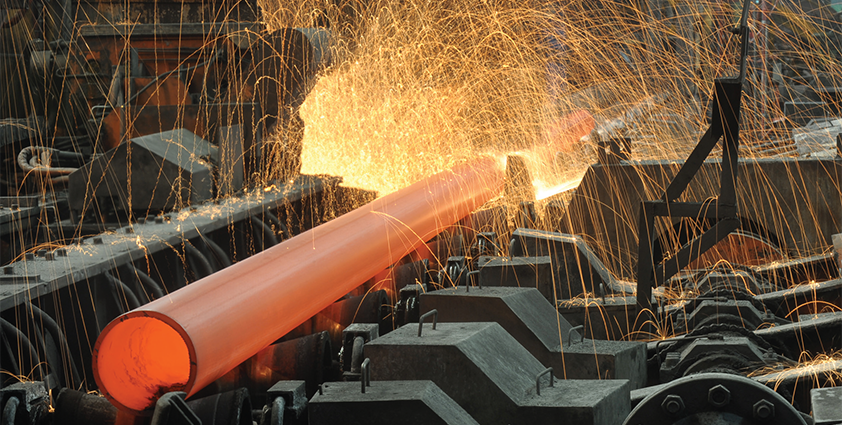
Tenaris is investing in enhanced welding processes that prioritise precision and repeatability.
This includes improvements in:
• Heat input control to reduce distortion and residual stress
• Automated welding systems to minimise human error
• Real-time monitoring of weld parameters
• Optimised joint preparation and fit-up
These advancements allow for tighter control over weld quality, ensuring consistent results across large-scale pipeline projects. In high-spec environments, process control is just as important as material selection.
DIGITALISATION AND WELD TRACEABILITY
One of the most significant trends in pipeline welding is the integration of digital tracking and traceability systems. Tenaris is aligning its welding solutions with broader digitalisation efforts, enabling:
• Weld data recording and analysis
• Traceability of individual welds to operators and parameters
• Integration with inspection and quality assurance systems
This level of transparency supports compliance with stringent industry standards and provides operators with a complete record of pipeline construction quality.
In modern infrastructure projects, data-backed verification is becoming a requirement rather than an option.
APPLICATIONS IN HIGH-PRESSURE AND ENERGY PROJECTS
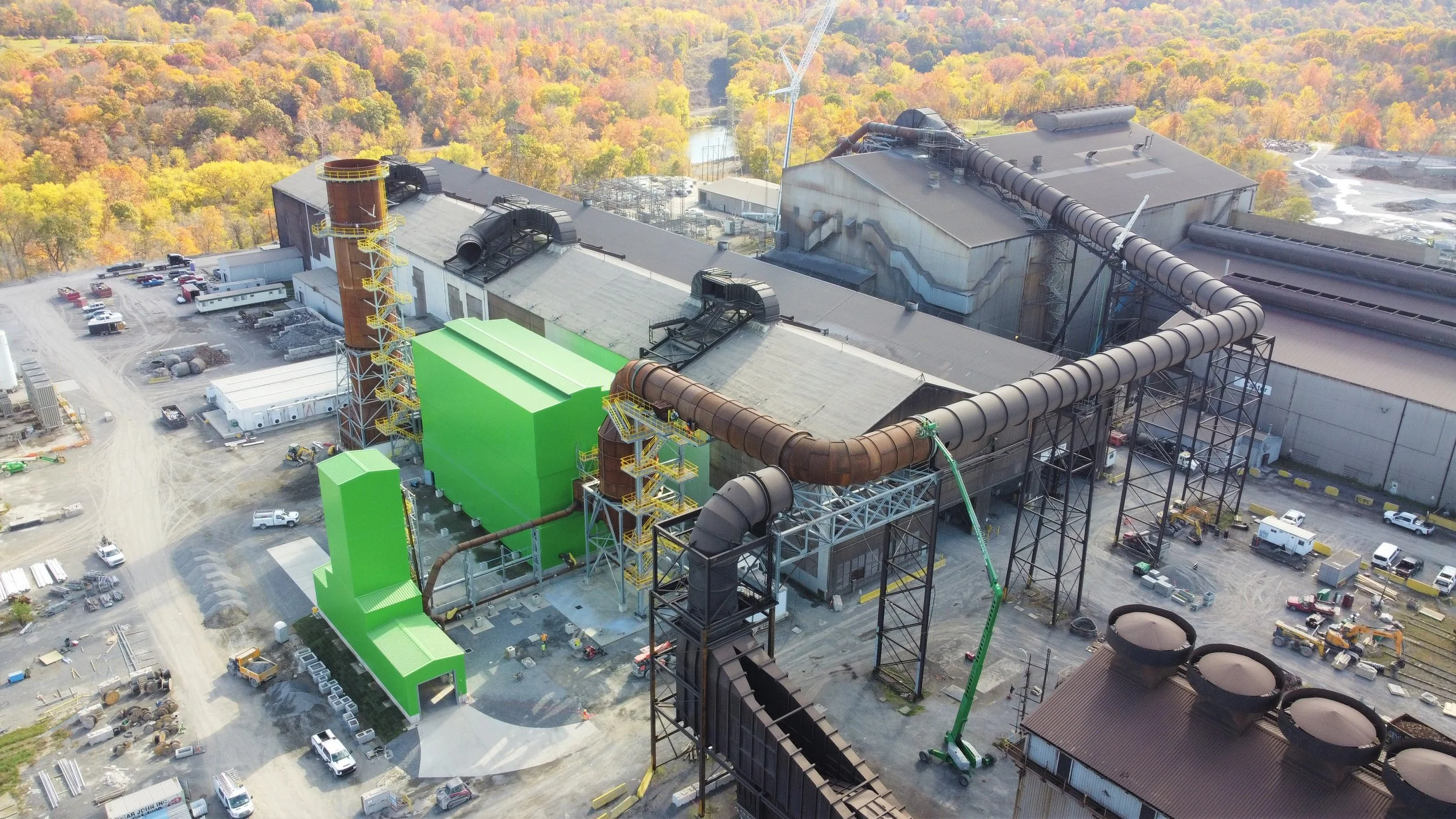
Tenaris’ advanced welding solutions are particularly relevant for sectors where pipeline integrity is critical.
This includes:
• Oil & gas transmission pipelines
• Hydrogen transport infrastructure
• Carbon capture and storage (CCS) systems
• Offshore and subsea pipelines
Hydrogen, in particular, introduces new challenges due to its ability to permeate materials and affect weld performance. As a result, welding procedures must be carefully controlled to maintain seal integrity and long-term durability.
REDUCING RISK AND LIFECYCLE COSTS
Improved welding quality has a direct impact on lifecycle costs. By reducing defects and increasing reliability, operators can minimise:
• Inspection and rework requirements
• Maintenance frequency
• Unplanned shutdowns
• Environmental and safety risks
For large-scale pipeline projects, even small improvements in weld quality can translate into significant cost savings over time. In this context, welding is not just a construction activity — it is a long-term investment in system performance.
Tenaris’ focus on advanced welding solutions reflects a broader industry shift toward higher standards of pipeline integrity. As operating conditions become more demanding and regulatory expectations increase, the role of welding in pipeline performance continues to grow.
By combining improved process control, digital traceability, and application-specific expertise, Tenaris is helping to set a new benchmark for high-pressure pipeline construction. In 2026 and beyond, the strength of a pipeline will increasingly be defined by the quality of its welds.