Tata Steel Expands Pipeline Steel Grades for Low-Carbon Infrastructure Projects

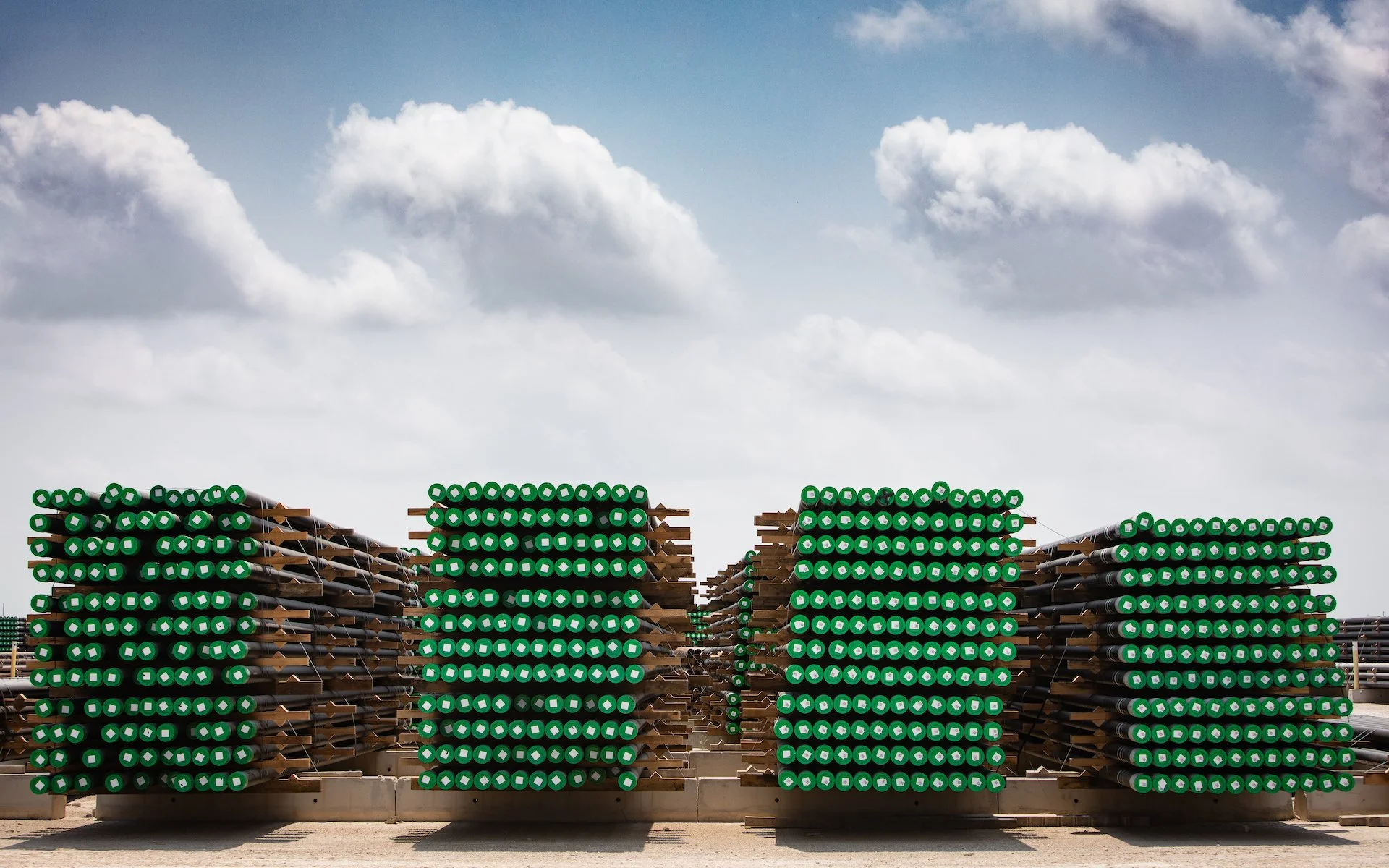
As global infrastructure shifts toward sustainability, material selection is becoming a critical factor in reducing carbon emissions. Tata Steel is responding to this demand by expanding its range of pipeline steel grades, specifically engineered to support low-carbon infrastructure projects across energy, water, and industrial sectors.
With increasing pressure on operators and contractors to meet environmental targets, pipeline materials are no longer judged solely on strength and durability. Today, carbon footprint, lifecycle performance, and future compatibility are just as important.
LOW-CARBON STEEL: A GROWING PRIORITY IN PIPELINE DESIGN
Pipeline projects, particularly in oil & gas, hydrogen, and large-scale water systems, require vast quantities of steel. Traditionally, this has been associated with high embodied carbon. Tata Steel’s expanded offering focuses on reducing emissions during production while maintaining the mechanical properties required for high-pressure applications.
This includes optimised manufacturing processes, improved energy efficiency, and the use of recycled materials where possible. The result is pipeline steel that delivers the same structural integrity with a significantly reduced environmental impact.
As governments and major operators push toward net-zero targets, specifying low-carbon steel is quickly becoming a requirement rather than a preference.
ENHANCED STEEL GRADES FOR MODERN APPLICATIONS
Tata Steel’s latest pipeline grades are designed to meet the evolving demands of modern infrastructure. These include:
• Higher strength-to-weight ratios, allowing reduced wall thickness
• Improved weldability for faster and more reliable installation
• Enhanced resistance to corrosion and environmental stress
• Compatibility with high-pressure and demanding service conditions
These properties are particularly important for long-distance transmission pipelines, where efficiency, durability, and ease of installation all contribute to overall project performance.
In high-spec applications, material performance directly impacts both safety and lifecycle cost.
SUPPORTING HYDROGEN AND ENERGY TRANSITION PROJECTS
One of the most significant drivers behind new pipeline material development is the rise of hydrogen infrastructure. Hydrogen presents unique challenges due to its small molecular size and potential to cause embrittlement in certain materials.
Tata Steel’s expanded grades are being developed with these challenges in mind, ensuring pipelines can safely transport hydrogen and other low-carbon energy sources. This includes careful control of material composition and mechanical properties to maintain long-term integrity under cyclic pressure and demanding conditions.
As hydrogen networks expand across the UK and Europe, pipeline materials must be future-ready.
IMPROVING WELDABILITY AND INSTALLATION EFFICIENCY
Pipeline construction relies heavily on welding, and material choice plays a major role in weld quality and efficiency. Tata Steel’s latest grades are engineered to improve weldability, reducing the risk of defects and simplifying field installation.
Better weld performance leads to:
• Reduced rework and inspection requirements
• Faster installation times
• Improved joint reliability
• Lower overall project costs
In large-scale infrastructure projects, even small improvements in welding efficiency can deliver significant time and cost savings.
ALIGNING WITH GLOBAL SUSTAINABILITY TARGETS
The expansion of low-carbon steel grades reflects a broader shift within the industry. Clients, regulators, and investors are all placing greater emphasis on sustainability, with many projects now requiring clear evidence of reduced environmental impact.
By offering pipeline materials with lower embodied carbon, Tata Steel is helping project stakeholders meet these requirements without compromising on performance. This aligns with wider trends across energy, water, and industrial sectors, where sustainability is becoming embedded in engineering decisions.
Tata Steel’s expansion of pipeline steel grades marks an important step in the evolution of infrastructure materials. As the industry moves toward low-carbon solutions, the focus is shifting from purely mechanical performance to a balance of strength, durability, and environmental responsibility.
For engineers and specifiers, this means rethinking material selection and considering long-term impact alongside technical requirements. In 2026 and beyond, pipeline performance will be defined not just by strength, but by sustainability and future readiness.