Vallourec Introduces Next-Generation Pipe Technology for Hydrogen Transport
As the global push toward hydrogen energy accelerates, the demand for pipeline infrastructure capable of safely transporting hydrogen is increasing rapidly. Vallourec, a leading manufacturer of premium tubular solutions, has introduced next-generation seamless pipe technology specifically designed to meet the challenges of hydrogen transport.
Hydrogen presents unique engineering challenges compared to traditional hydrocarbons, and Vallourec’s latest development reflects a growing industry focus on material performance, safety, and long-term reliability in emerging energy systems.
WHY HYDROGEN TRANSPORT REQUIRES NEW PIPE TECHNOLOGY
Hydrogen is significantly different from natural gas or oil. Its smaller molecular size allows it to penetrate materials more easily, increasing the risk of leakage and material degradation. One of the key concerns is hydrogen embrittlement, where steel becomes brittle and more prone to cracking over time.
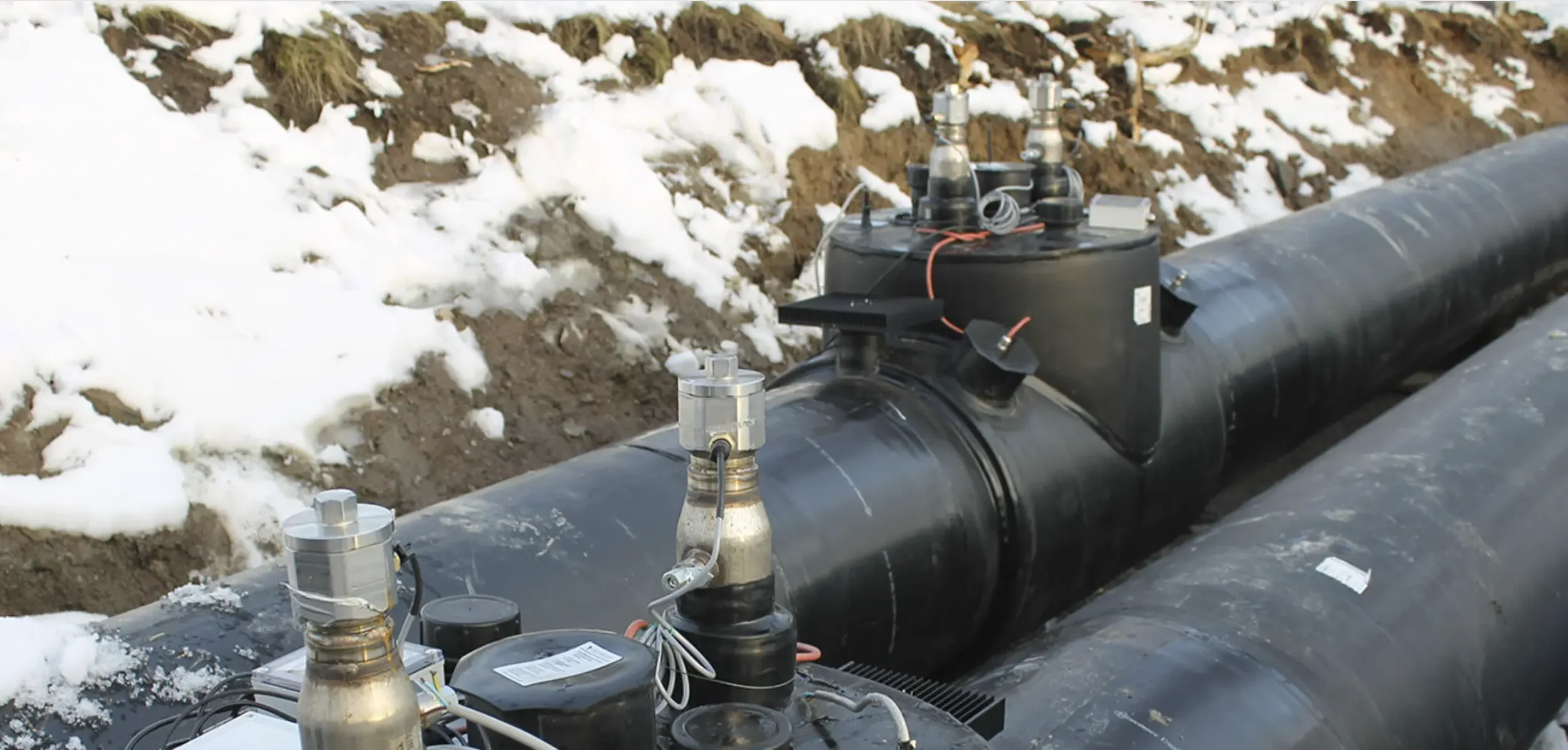
Traditional pipeline materials are not always suitable for hydrogen service without modification. Vallourec’s seamless pipe technology has been developed to address these issues, ensuring that pipelines can withstand the mechanical and chemical stresses associated with hydrogen transport.
In hydrogen infrastructure, material integrity is critical to both safety and efficiency.
ADVANTAGES OF SEAMLESS PIPE DESIGN
Seamless pipes offer a key advantage over welded alternatives by eliminating the weld seam, which is often considered a potential weak point in high-pressure or demanding environments.
Vallourec’s seamless technology provides:
• Improved structural integrity under pressure
• Reduced risk of defects associated with welds
• Enhanced resistance to fatigue and cyclic loading
• Greater uniformity in material properties
For hydrogen applications, where reliability is paramount, seamless pipe solutions offer a higher level of confidence in long-term performance.
ADVANCED MATERIAL ENGINEERING FOR HYDROGEN SERVICE
A major focus of Vallourec’s innovation is the development of steel grades and manufacturing processes that resist hydrogen embrittlement. This includes:
• Optimised chemical composition
• Controlled heat treatment processes
• Enhanced microstructural stability
These improvements ensure that the pipe maintains strength and ductility even under prolonged exposure to hydrogen. In addition, Vallourec is aligning its materials with evolving industry standards and testing protocols for hydrogen service.
As hydrogen projects move from pilot stages to full-scale deployment, material certification and validation are becoming increasingly important.
SUPPORTING THE ENERGY TRANSITION
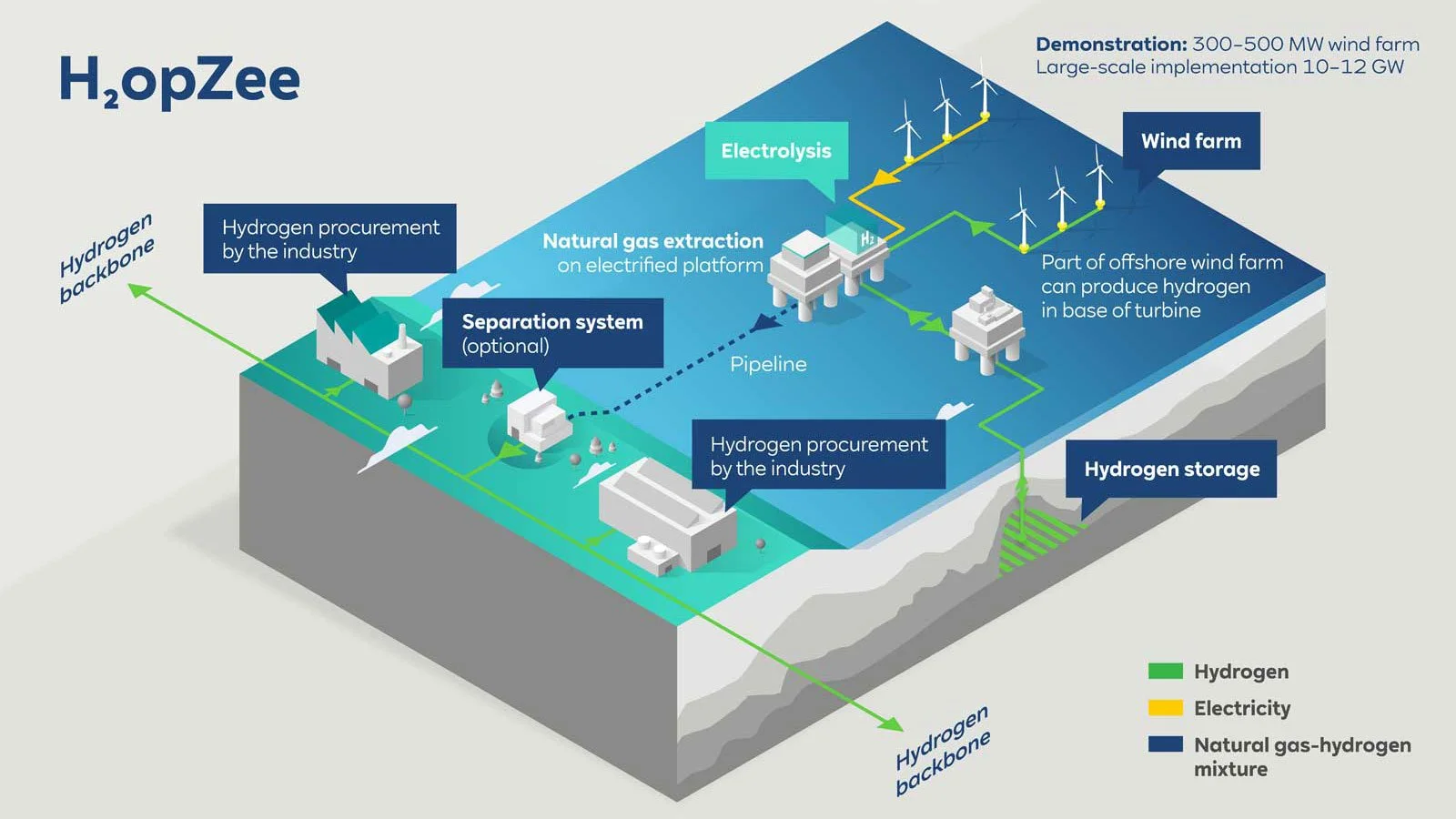
Hydrogen is expected to play a key role in decarbonising sectors such as heavy industry, power generation, and transport. Infrastructure development is essential to support this transition, and pipeline systems are a critical part of that network.
Vallourec’s next-generation pipe technology is designed to support:
• Dedicated hydrogen pipelines
• Blending hydrogen into existing gas networks
• Carbon capture and storage (CCS) systems
• Renewable energy integration
By addressing the technical challenges of hydrogen transport, manufacturers are enabling the wider adoption of low-carbon energy solutions.
WHAT THIS MEANS FOR ENGINEERS AND SPECIFIERS
For engineers working on hydrogen infrastructure, the introduction of advanced seamless pipe technology highlights the importance of selecting materials specifically designed for hydrogen service.
Key considerations now include:
• Compatibility with hydrogen environments
• Resistance to embrittlement and fatigue
• Pressure and temperature ratings under hydrogen conditions
• Compliance with emerging hydrogen standards
In 2026, specifying pipework is no longer just about pressure class and diameter — it is about ensuring long-term performance in entirely new operating conditions.
Vallourec’s next-generation seamless pipe technology represents a significant step forward in the development of hydrogen infrastructure. By combining advanced material engineering with the inherent strengths of seamless pipe design, the company is helping to address one of the most critical challenges in the energy transition.
As hydrogen continues to gain momentum as a clean energy source, innovations like this will play a vital role in ensuring that pipeline systems are safe, reliable, and ready for the future. In the evolving energy landscape, the performance of pipework will be just as important as the energy it carries.