Jindal SAW Expands Large Diameter Pipe Production for Energy Infrastructure Projects
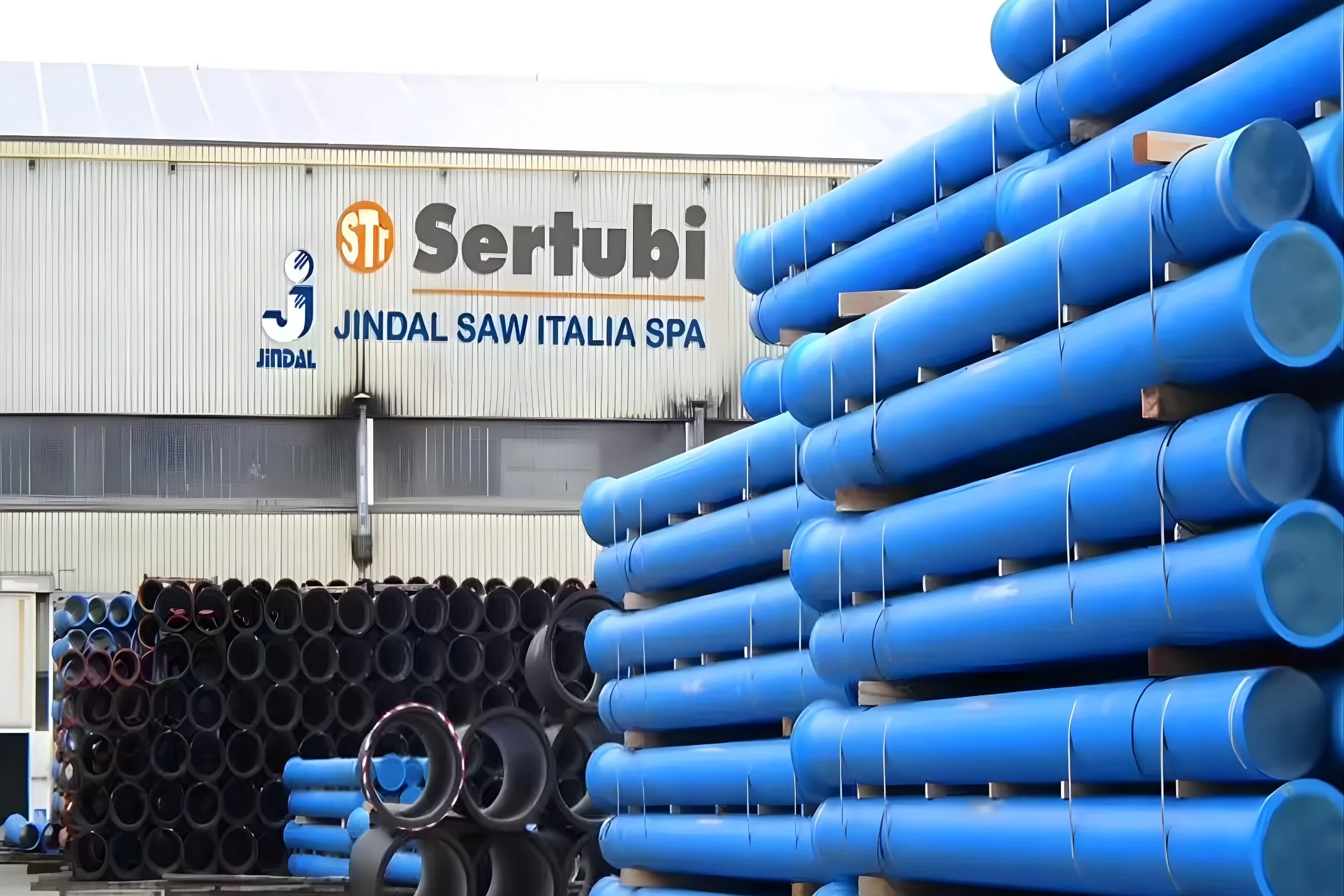
Global demand for energy infrastructure continues to rise, driven by pipeline expansion, water transmission projects, and the transition toward cleaner energy systems. In response, Jindal SAW has expanded its large diameter pipe production capabilities, positioning itself to support high-capacity, high-pressure pipeline projects across multiple sectors.
This move reflects a broader industry trend where manufacturers are scaling up production to meet the growing need for reliable, long-distance transport of oil, gas, water, and emerging energy sources such as hydrogen.
MEETING DEMAND FOR LARGE DIAMETER PIPEWORK
Large diameter pipes play a critical role in transporting high volumes of fluid over long distances. As infrastructure projects become more ambitious, there is increasing demand for pipes that can handle higher flow rates, greater pressures, and more challenging environments.
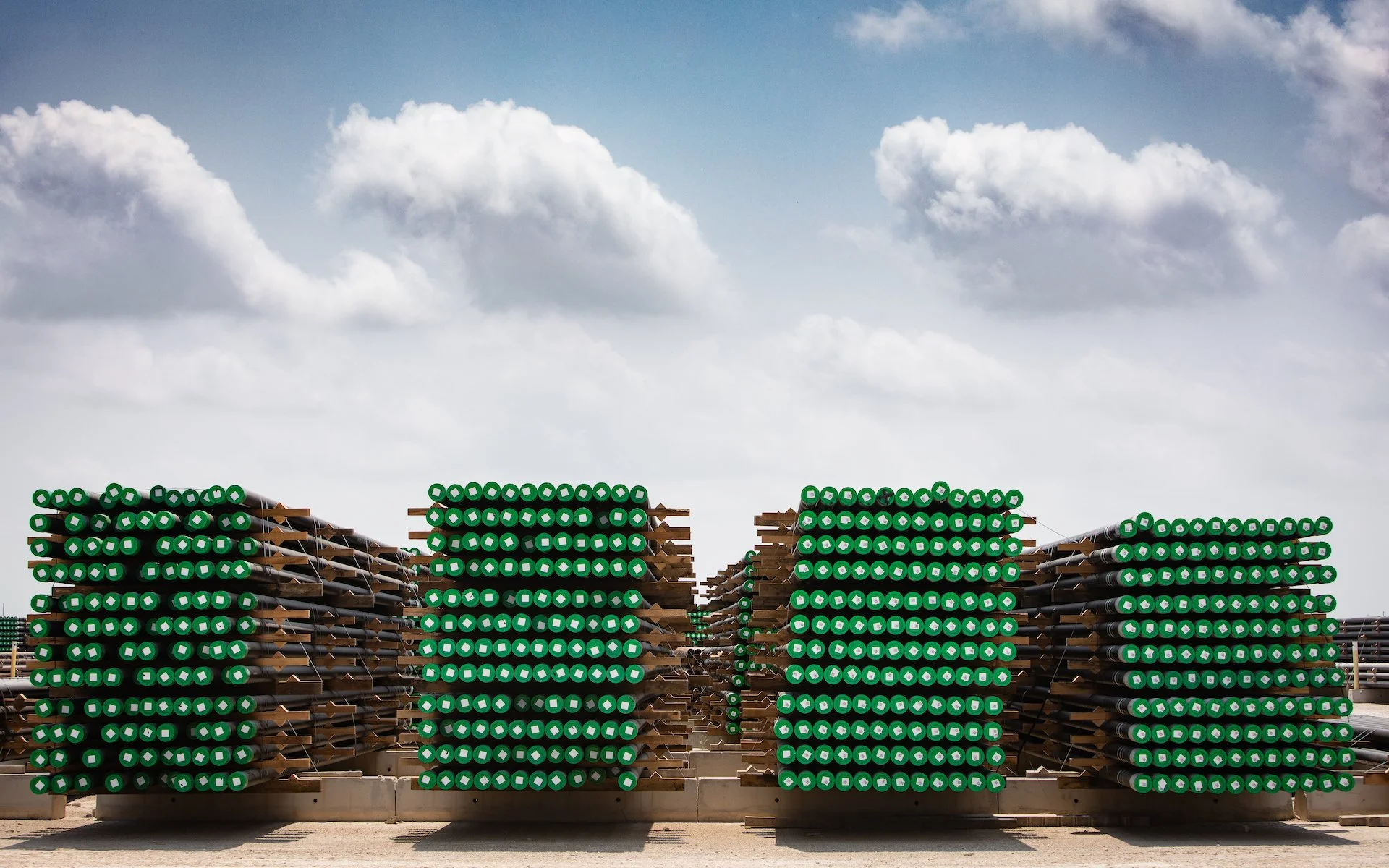
Jindal SAW’s expansion focuses on increasing output capacity while maintaining strict quality standards. This allows the company to support major infrastructure developments, including cross-country pipelines, offshore installations, and municipal water systems.
In today’s market, availability and lead time are just as important as technical specification, making production scale a key competitive factor.
ADVANCED MANUFACTURING AND WELDING TECHNOLOGY
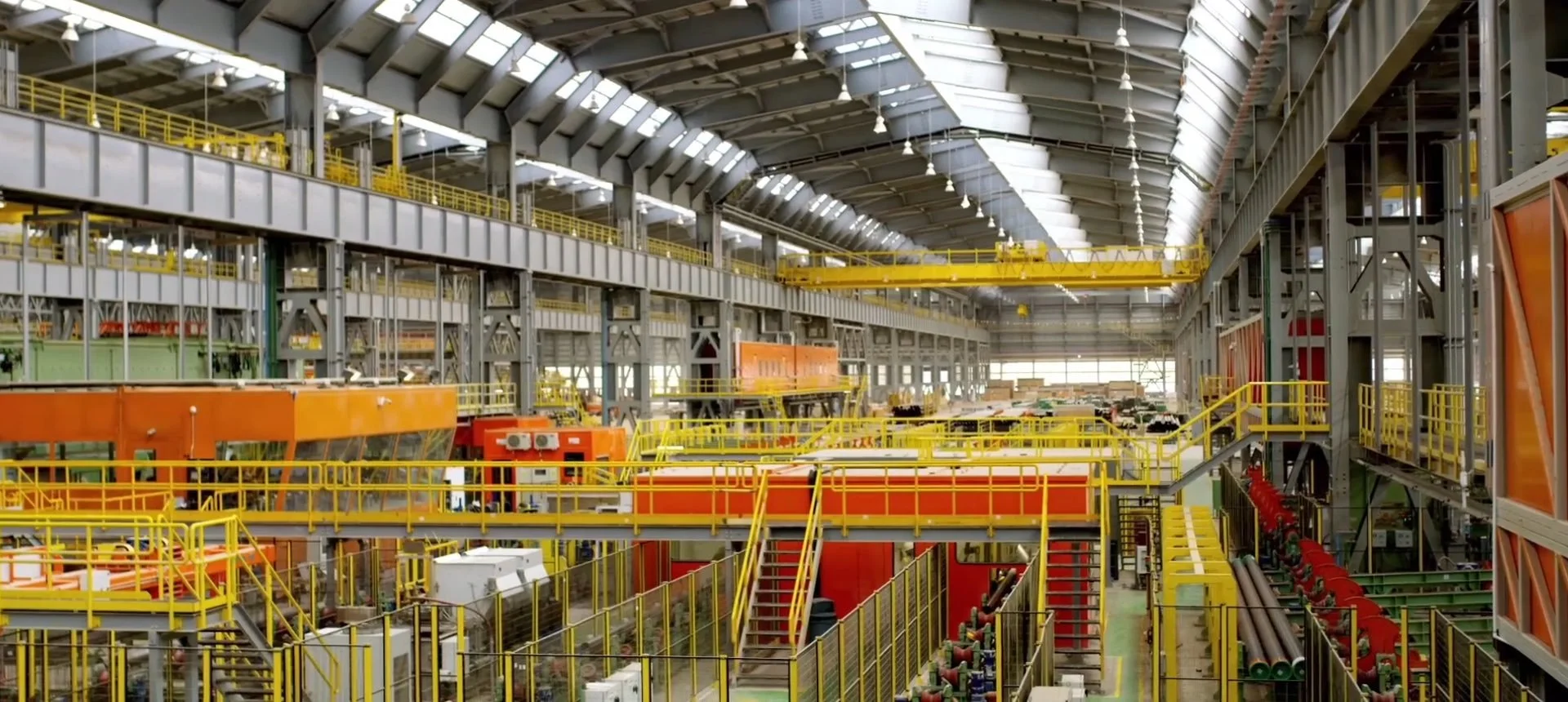
A key aspect of this expansion is the integration of advanced manufacturing and welding processes. Large diameter pipes require precise forming and welding techniques to ensure structural integrity across the entire length of the pipe.
Jindal SAW is focusing on improving:
• Weld consistency and strength
• Dimensional accuracy across large sections
• Quality control through automated inspection
• Coating and corrosion protection systems
These enhancements are essential for pipelines operating under high pressure or in corrosive environments. In such applications, weld integrity and material quality directly impact pipeline safety and lifespan.
SUPPORTING ENERGY TRANSITION PROJECTS
While traditional oil and gas pipelines remain a major driver, the expansion also aligns with the global shift toward cleaner energy infrastructure. Large diameter pipelines are increasingly being used in:
• Hydrogen transport networks
• Carbon capture and storage (CCS) systems
• Renewable energy integration projects
• Water transfer and desalination systems
These applications require materials and manufacturing processes that can withstand new operational challenges. For example, hydrogen transport introduces concerns around permeability and material compatibility, placing greater emphasis on precision manufacturing and testing standards.
COATING, CORROSION, AND LONG-TERM PERFORMANCE
Pipeline performance is not only defined by the pipe itself but also by its resistance to external and internal corrosion. As part of its expansion, Jindal SAW is enhancing coating capabilities to improve durability in harsh environments.
Protective systems such as fusion bonded epoxy (FBE) and multi-layer coatings are increasingly specified to extend service life and reduce maintenance requirements. For buried and subsea pipelines, corrosion resistance is a critical factor in lifecycle cost management.
IMPACT ON GLOBAL SUPPLY CHAINS
The expansion of large diameter pipe production also has implications for global supply chains. With major infrastructure projects requiring significant volumes of pipe, manufacturers that can deliver at scale while maintaining quality are becoming preferred partners.
For EPC contractors and project developers, this means improved access to:
• Large volume supply with consistent quality
• Reduced lead times
• Greater flexibility in project planning
In a market where delays can have significant financial impact, reliable supply is a key advantage.
Jindal SAW’s expansion of large diameter pipe production highlights the growing importance of scalable, high-quality manufacturing in modern infrastructure projects. As demand increases across both traditional energy and emerging sectors, the ability to deliver reliable pipe solutions at scale will be essential.
With advancements in welding, coating, and production technology, manufacturers are not just increasing output — they are raising the standard for pipeline performance. In the years ahead, large diameter pipework will remain central to global infrastructure, supporting everything from energy security to sustainable development.