Digitalisation in Actuation: How Remote Monitoring, IoT & Predictive Maintenance Are Transforming Valves in 2026

Industrial valves and actuators have traditionally been viewed as mechanical components — devices that open, close, and regulate flow within pipelines. In 2026, however, the industry is undergoing a major shift. Digitalisation is transforming actuators into intelligent assets capable of monitoring their own health, communicating with control systems, and predicting maintenance needs before failures occur.
Driven by advances in industrial IoT, smarter sensors, and integrated automation platforms, valve actuation is becoming a key part of connected industrial infrastructure.
FROM MECHANICAL COMPONENTS TO SMART ASSETS
Historically, actuators were simple devices designed to move a valve between positions. Maintenance teams often relied on scheduled inspections or reactive maintenance when failures occurred.
Today, modern actuators can be fitted with sensors that track:
• Position feedback
• Motor current and torque levels
• Operating cycles
• Temperature and vibration
• Opening and closing times
By continuously collecting data, actuators can provide a detailed picture of their operating condition. This information allows operators to move away from reactive maintenance and toward data-driven asset management.
REMOTE MONITORING IS BECOMING STANDARD
In many industrial plants, actuators are now connected directly to control systems through digital communication protocols such as Modbus, Profibus, or Ethernet-based networks.
This connectivity allows operators to:
• Monitor valve position in real time
• Receive alerts if performance changes
• Diagnose issues without visiting the valve location
• Integrate valve data into plant-wide dashboards
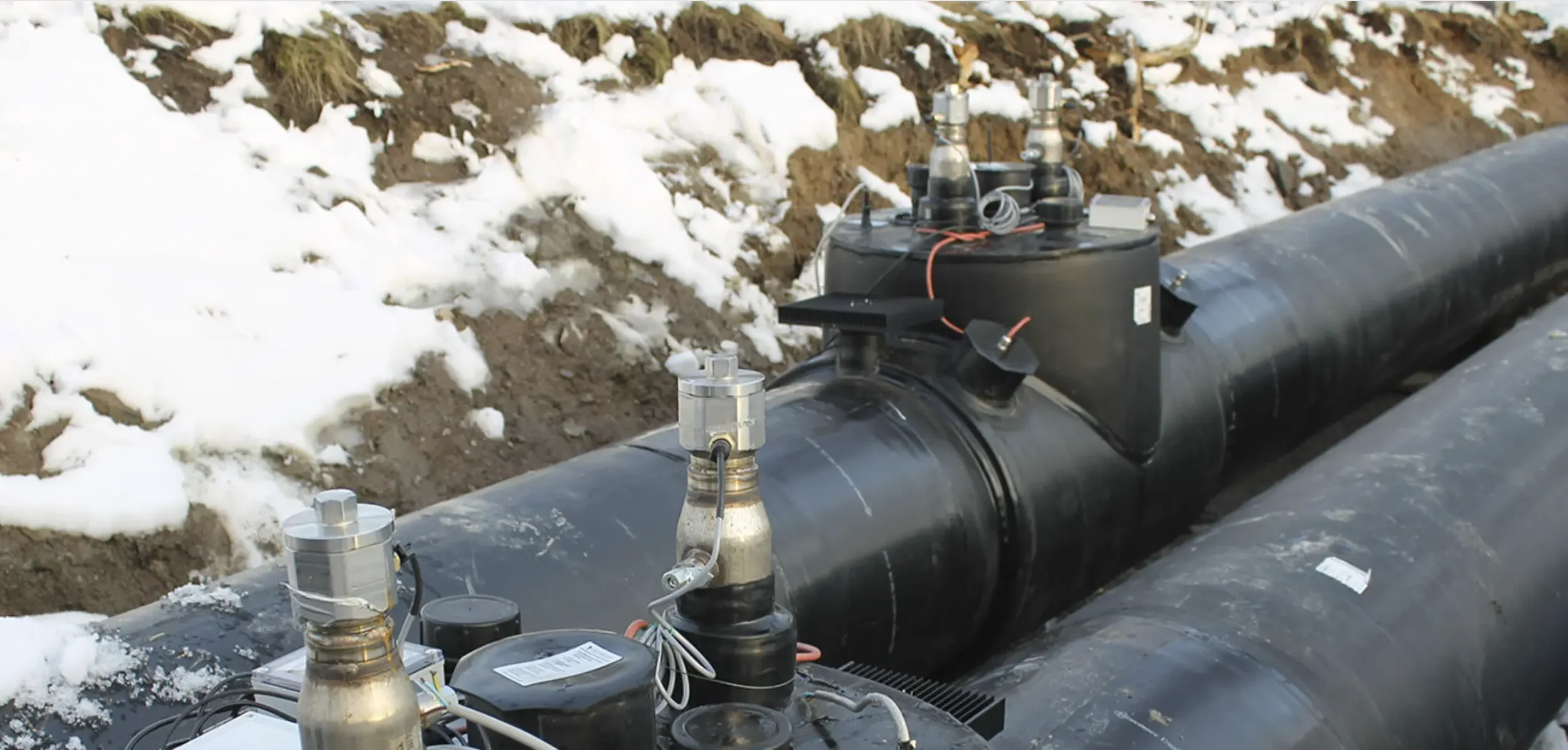
For facilities such as offshore platforms, water treatment plants, or remote pipeline networks, remote monitoring dramatically reduces the need for manual inspection. Engineers can analyse valve performance from a central control room or even remotely through cloud-based systems.
THE ROLE OF INDUSTRIAL IOT IN VALVE SYSTEMS
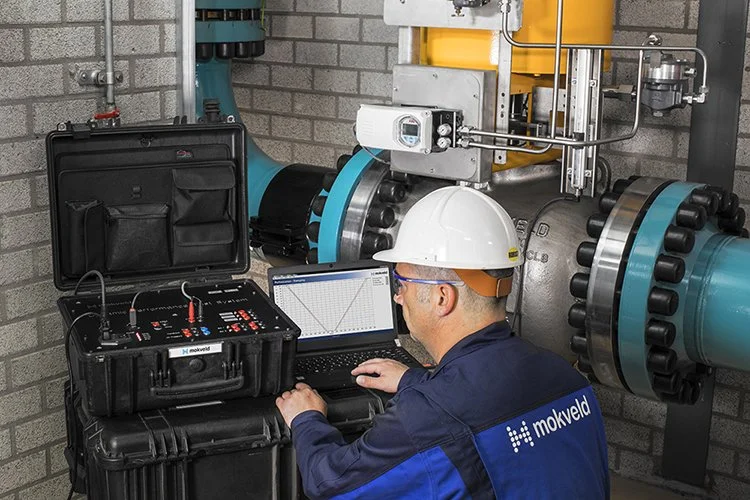
The Industrial Internet of Things (IIoT) is expanding the capabilities of valve automation. Smart actuators can now act as nodes within wider monitoring networks, sharing performance data with predictive analytics platforms.
Examples of IIoT integration include:
• Wireless actuator status monitoring
• Cloud-based asset dashboards
• Digital twins of critical valves
• Automated performance reporting
When this data is analysed over time, it becomes possible to identify patterns that indicate early signs of failure.
PREDICTIVE MAINTENANCE: A SHIFT IN INDUSTRIAL STRATEGY
One of the most significant outcomes of digitalisation is the rise of predictive maintenance. Instead of replacing components on a fixed schedule, operators can now predict when maintenance will actually be required.
For example, actuator diagnostics can detect:
• Increasing torque requirements due to valve wear
• Slower response times caused by internal friction
• Electrical irregularities in actuator motors
• Abnormal operating cycles
Identifying these changes early allows maintenance teams to intervene before a breakdown occurs. The result is reduced downtime, lower maintenance costs, and improved plant reliability.
WHY THIS MATTERS FOR INDUSTRIAL INFRASTRUCTURE
Industries such as oil & gas, power generation, water treatment, and chemical processing rely on thousands of valves operating continuously.
Unexpected valve failures can result in:
• Production losses
• Safety risks
• Environmental incidents
• Expensive emergency repairs
By integrating digital monitoring into actuation systems, operators gain greater visibility into critical assets. This shift is helping facilities move toward more resilient and efficient operations.
WHAT TO EXPECT IN THE NEXT FEW YEARS
Looking ahead, digitalisation in valve actuation is expected to accelerate further.
Key developments likely to shape the next phase include:
• Wider adoption of wireless valve monitoring
• AI-assisted predictive maintenance platforms
• Increased integration between actuators and plant digital twins
• Greater use of cybersecurity protections in automation systems
As industrial plants continue to modernise, actuators will play a growing role in connected infrastructure.
The digital transformation of industrial systems is reaching the valve level. Actuators are no longer just mechanical devices — they are becoming data-generating components that contribute to plant intelligence and operational insight.
Remote monitoring, IoT connectivity, and predictive maintenance are redefining how operators manage valve systems. In 2026 and beyond, the companies that adopt these technologies will gain significant advantages in reliability, efficiency, and long-term asset management.