Crane ChemPharma & Energy Introduces High-Integrity Isolation Valves for Hydrogen Applications

As hydrogen infrastructure expands globally, equipment manufacturers are racing to develop components capable of handling the unique challenges associated with hydrogen service. Crane ChemPharma & Energy has introduced a new generation of high-integrity isolation valves designed specifically for hydrogen applications, addressing critical concerns such as leakage control, material compatibility, and long-term reliability.
With hydrogen playing a growing role in energy transition strategies, valve technology must evolve to support safe storage, transportation, and processing across increasingly complex industrial systems.
WHY HYDROGEN APPLICATIONS REQUIRE SPECIALISED VALVES
Hydrogen presents challenges that traditional hydrocarbon systems do not. The small molecular size of hydrogen means it can permeate materials and escape through sealing surfaces that would normally remain leak-tight for other gases.
This creates a need for valves that deliver exceptionally tight shut-off performance and robust sealing systems.
Key engineering challenges include:
• Hydrogen embrittlement in certain materials
• Increased leakage risk due to small molecular size
• Pressure cycling in hydrogen transport systems
• Compatibility with high-pressure storage environments
To address these issues, valve manufacturers are focusing on advanced metallurgy, precision machining, and improved sealing technologies.
CRANE’S APPROACH TO HIGH-INTEGRITY ISOLATION
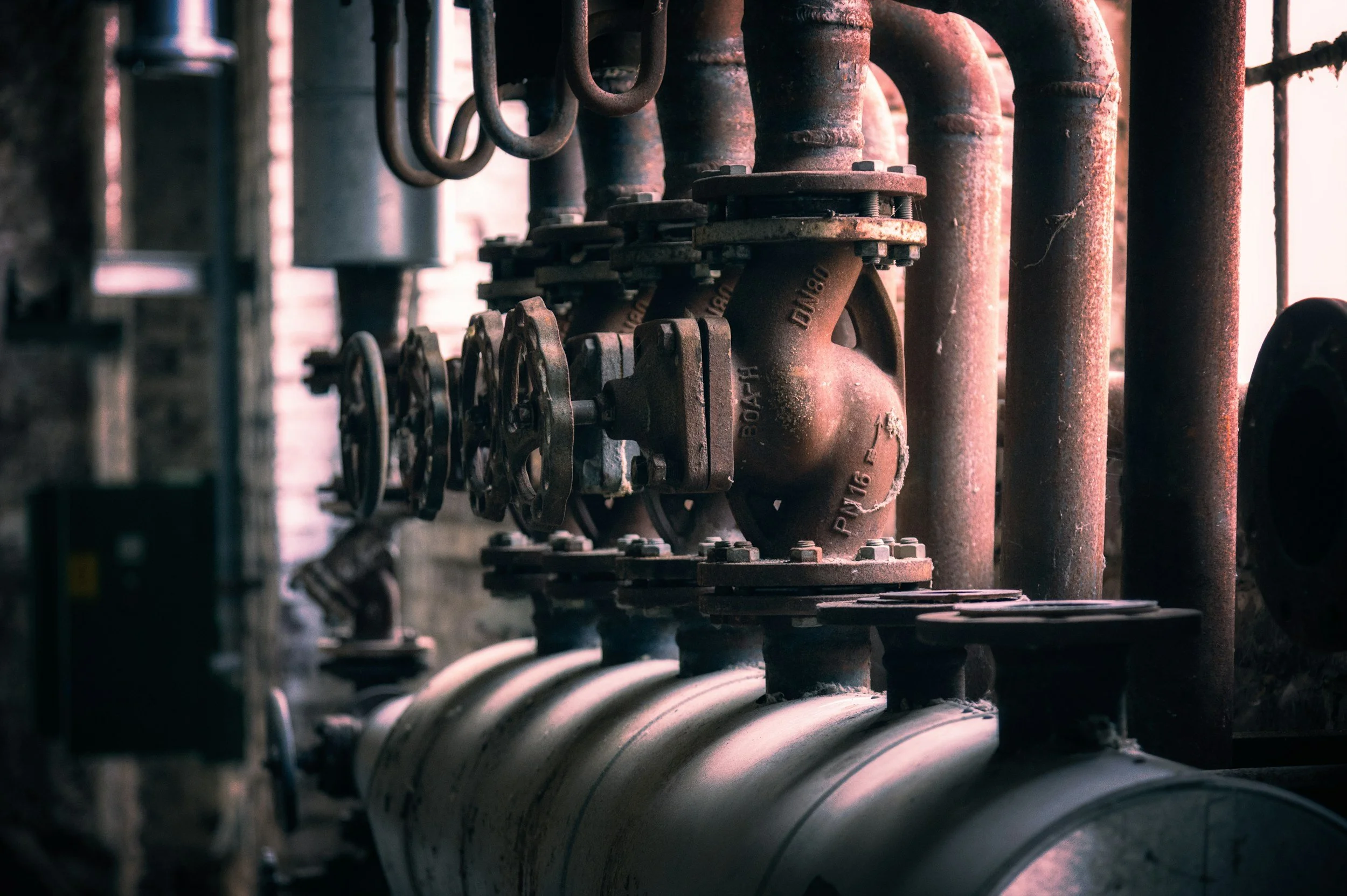
Crane ChemPharma & Energy’s latest valve developments are designed to support hydrogen infrastructure across production, storage, and distribution systems.
The design philosophy centres around high-integrity isolation, ensuring that valves provide dependable shut-off even under demanding operating conditions.
Key features include:
• Precision-engineered sealing surfaces to minimise leakage
• Materials selected to resist hydrogen embrittlement
• Enhanced stem sealing systems to reduce fugitive emissions
• Robust pressure containment suitable for high-pressure gas systems
These improvements help ensure that valves remain reliable throughout their lifecycle, particularly in systems where hydrogen purity and containment are critical.
APPLICATIONS ACROSS THE HYDROGEN VALUE CHAIN
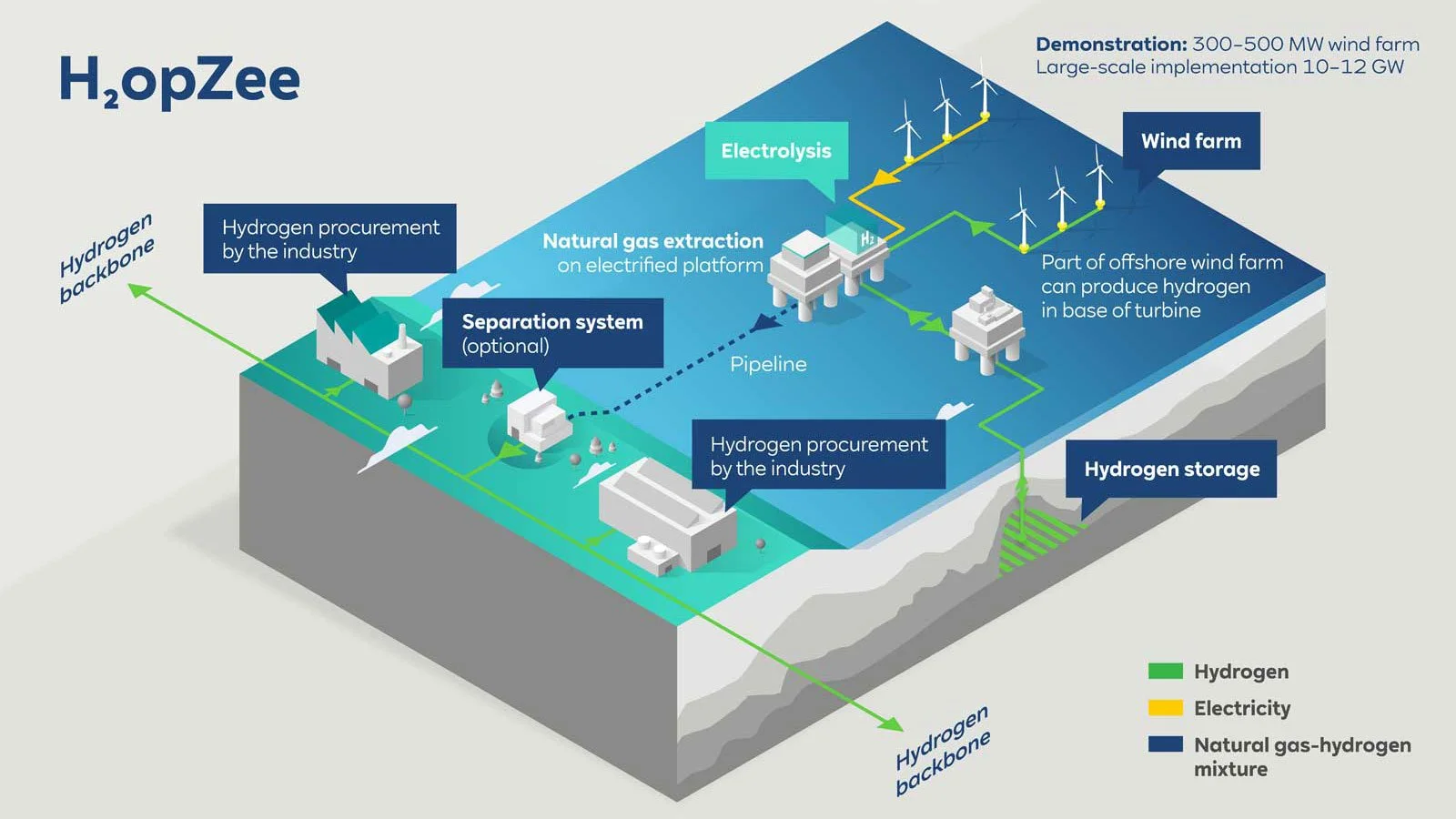
Hydrogen valves are required at multiple stages of the energy value chain, including production, storage, and distribution.
Typical installations include:
• Electrolysis plants producing green hydrogen
• Hydrogen compression and storage facilities
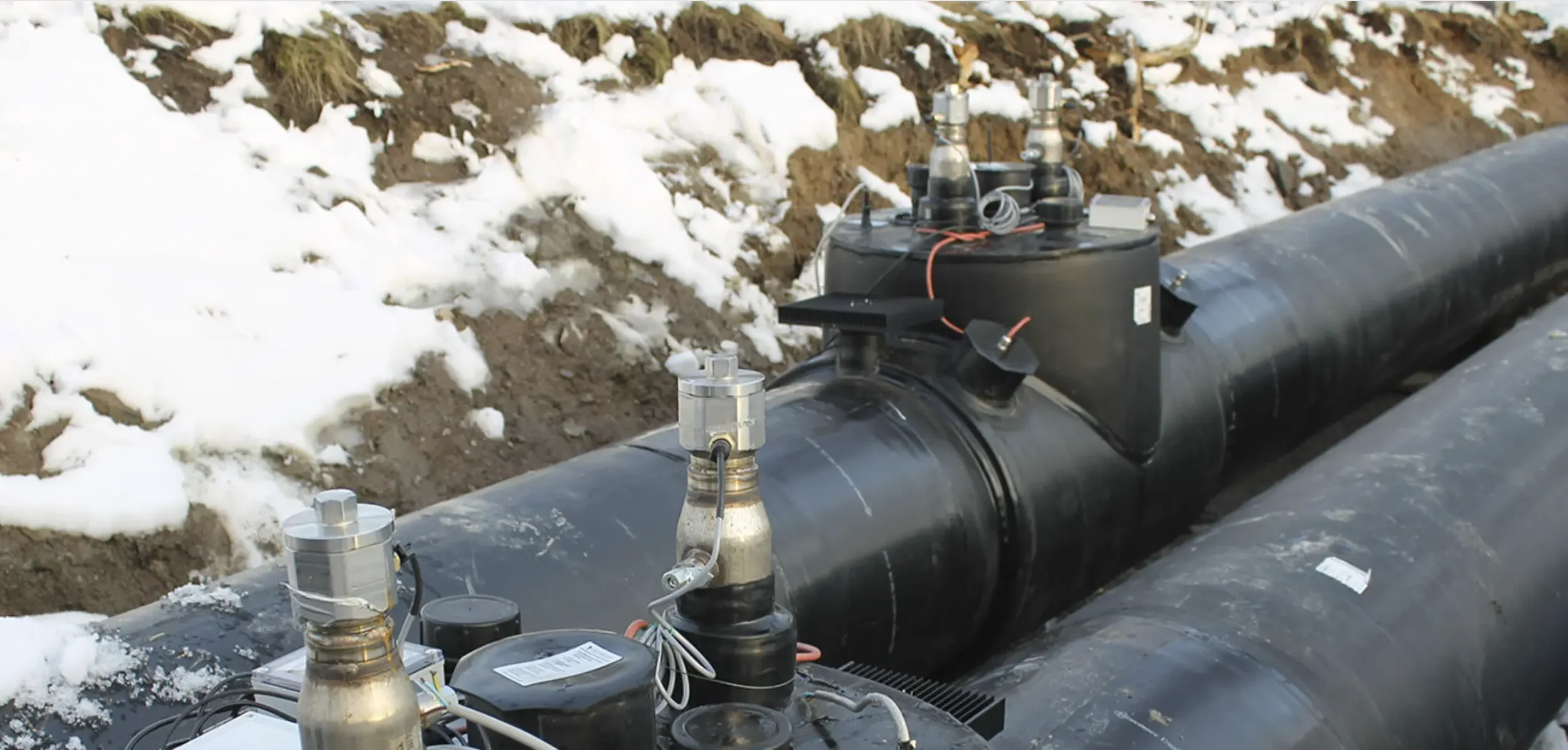
• Pipeline transportation networks
• Industrial process systems using hydrogen as a fuel or feedstock
In each of these environments, isolation valves must provide safe and dependable shut-off capabilities to protect both equipment and personnel.
SUPPORTING THE ENERGY TRANSITION
Hydrogen is widely viewed as a key component of the global energy transition, particularly for sectors that are difficult to electrify. As hydrogen infrastructure scales up, the reliability of core components such as valves becomes increasingly important.
Manufacturers like Crane ChemPharma & Energy are responding by developing equipment specifically engineered for these emerging applications. The focus is not simply on adapting existing products, but on creating designs that address the specific physical and operational characteristics of hydrogen systems.
This approach ensures that hydrogen networks can operate safely while maintaining the performance standards expected in modern industrial facilities.
The introduction of high-integrity isolation valves by Crane ChemPharma & Energy reflects a broader shift within the valve industry toward equipment designed for hydrogen service. As hydrogen infrastructure expands worldwide, valve manufacturers must deliver solutions capable of maintaining safety, sealing integrity, and long-term reliability.
For engineers and specifiers working on hydrogen projects, component selection will play a critical role in ensuring system performance and regulatory compliance.