Bray Launches New High-Performance Triple Offset Butterfly Valve Series
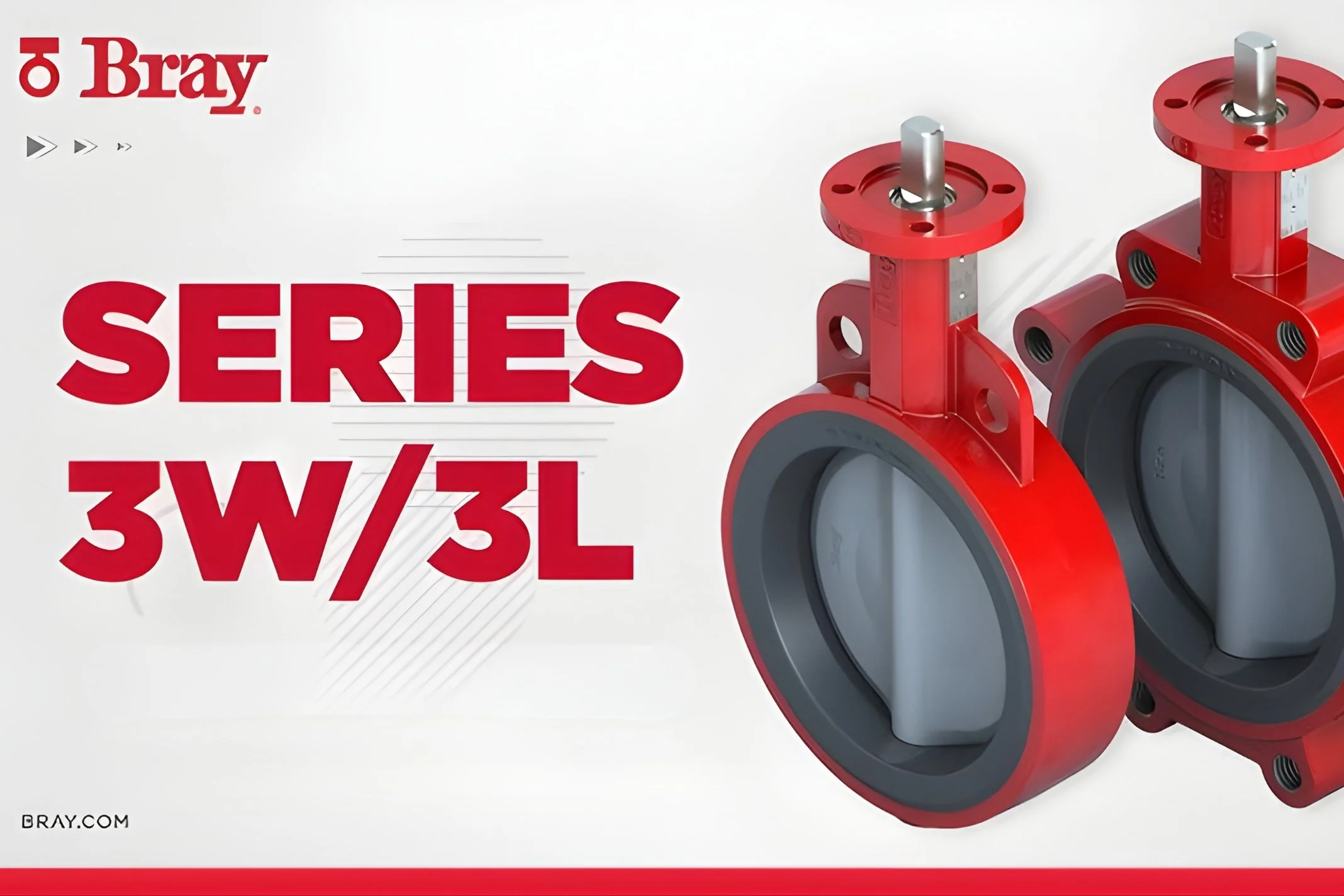
Bray International has introduced a new high-performance triple offset butterfly valve series, targeting demanding industrial applications where tight shut-off, high temperature resistance, and long service life are critical. As industries continue to push toward higher efficiency and reliability, triple offset butterfly valves (TOVs) are becoming the preferred solution for severe service environments.
This latest release reinforces Bray’s position in the market, combining advanced sealing technology, improved durability, and enhanced performance under extreme conditions.
WHAT IS A TRIPLE OFFSET BUTTERFLY VALVE?
Triple offset butterfly valves are designed with three distinct offsets that eliminate friction between the disc and seat during operation.
Unlike traditional butterfly valves, this geometry ensures that:
• The disc only contacts the seat at the final point of closure
• Wear is significantly reduced over time
• A metal-to-metal seal can be achieved
This design allows for zero leakage performance, even in high-pressure and high-temperature applications where soft-seated valves would fail.
KEY FEATURES OF THE NEW BRAY SERIES
Bray’s latest triple offset butterfly valve series focuses on performance, reliability, and adaptability across multiple industries.
Key highlights include:
• Metal seated design for high temperature and abrasive service
• Bi-directional sealing capability for flexible installation
• Low torque operation reducing actuator sizing requirements
• Fire safe construction for critical safety applications
• Extended lifecycle performance due to reduced seat wear
The valves are engineered to meet the needs of sectors such as oil & gas, power generation, chemical processing, and steam systems.
DESIGNED FOR SEVERE SERVICE APPLICATIONS
One of the main advantages of triple offset butterfly valves is their ability to perform in environments where conventional valves struggle.
Typical applications include:
• High-pressure steam lines
• Hydrocarbon processing systems
• Thermal oil systems
• LNG and cryogenic processes
• Energy and power generation facilities
In these environments, temperature fluctuations, pressure cycling, and aggressive media demand a valve that can maintain sealing integrity without frequent maintenance.
EFFICIENCY AND COST BENEFITS
Beyond performance, Bray’s new series offers tangible operational benefits.
Compared to traditional gate or globe valves, triple offset butterfly valves provide:
• Reduced weight and installation costs
• Smaller footprint for compact systems
• Faster operation with quarter-turn actuation
• Lower maintenance requirements
These advantages contribute to lower total cost of ownership, particularly in large-scale or high-cycle applications.
WHAT THIS MEANS FOR ENGINEERS AND SPECIFIERS
For engineers specifying valves in 2026, the shift toward triple offset designs reflects a broader industry trend: moving away from legacy valve types toward high-performance, long-life solutions.
When considering this new Bray series, specifiers should evaluate:
• Pressure and temperature requirements
• Required shut-off class
• Actuation method (manual, pneumatic, electric)
• Compatibility with existing pipeline standards
Selecting the right valve is no longer just about function — it’s about lifecycle performance and reliability under real operating conditions.
Bray International’s new triple offset butterfly valve series represents another step forward in high-performance valve technology. With its focus on durability, sealing integrity, and efficiency, it aligns with the growing demand for robust, low-maintenance solutions in critical industrial systems.
As industries continue to evolve, triple offset butterfly valves are no longer niche products — they are becoming a standard choice for engineers looking to future-proof their systems.