ArcelorMittal High-Strength Pipeline Steel to Reduce Wall Thickness and Weight

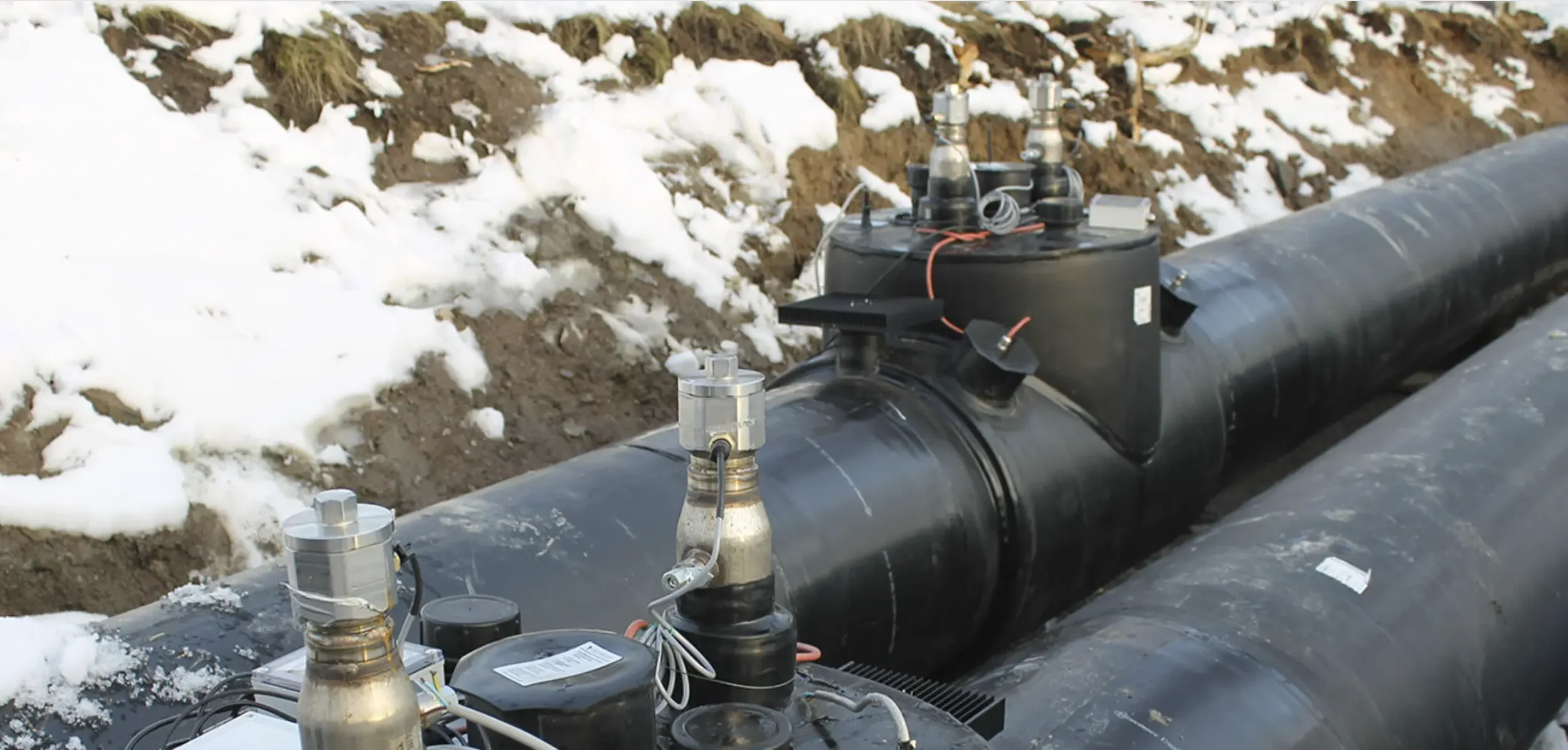
Pipeline infrastructure is evolving rapidly, with increasing pressure to deliver stronger, lighter, and more cost-efficient systems across energy, water, and industrial sectors. ArcelorMittal’s latest developments in high-strength pipeline steel are a direct response to this demand, focusing on reducing wall thickness without compromising performance.
As projects scale up and operating conditions become more demanding, material innovation is playing a critical role in improving both pipeline efficiency and long-term reliability.
THE SHIFT TOWARDS HIGH-STRENGTH PIPELINE STEEL
Traditional pipeline design has relied on thicker wall sections to handle pressure and external loads. While effective, this approach increases weight, material costs, and installation complexity.
ArcelorMittal’s high-strength steel grades are designed to deliver the same — or higher — performance with reduced wall thickness. This allows engineers to maintain pressure ratings while significantly lowering the overall weight of the pipeline.
The result is a more efficient system that balances strength, durability, and cost optimisation.
WHY REDUCING WALL THICKNESS MATTERS
Thinner wall pipelines offer several practical advantages across both onshore and offshore projects.
Reduced material usage lowers raw material costs and supports sustainability goals by decreasing the carbon footprint associated with steel production. At the same time, lighter pipe sections are easier to transport, handle, and install, improving logistics and reducing installation time.
In large-scale pipeline projects, even small reductions in wall thickness can lead to significant savings across procurement, transport, and construction phases.
MAINTAINING PERFORMANCE UNDER HIGH PRESSURE
While reducing thickness is beneficial, performance cannot be compromised. High-strength pipeline steels are engineered to withstand:
• High internal pressure
• External mechanical loads
• Temperature variations
• Fatigue from cyclic operation
Advanced metallurgical processes ensure that these steels maintain excellent toughness, weldability, and resistance to cracking, even in demanding environments such as offshore pipelines or high-pressure gas transmission systems.
IMPACT ON WELDING AND FABRICATION
The introduction of higher-strength materials also influences welding procedures and fabrication techniques. Welding must be carefully controlled to preserve the mechanical properties of the steel and prevent issues such as heat-affected zone weakening.
As a result, there is a growing focus on:
• Controlled heat input during welding
• Improved welding consumables
• Enhanced inspection and testing methods
For pipeline contractors, adapting to these materials requires updated procedures, but the long-term benefits in performance and efficiency are substantial.
APPLICATIONS IN ENERGY AND INFRASTRUCTURE PROJECTS
ArcelorMittal’s high-strength pipeline steels are particularly relevant for sectors experiencing rapid development, including:
• Natural gas transmission
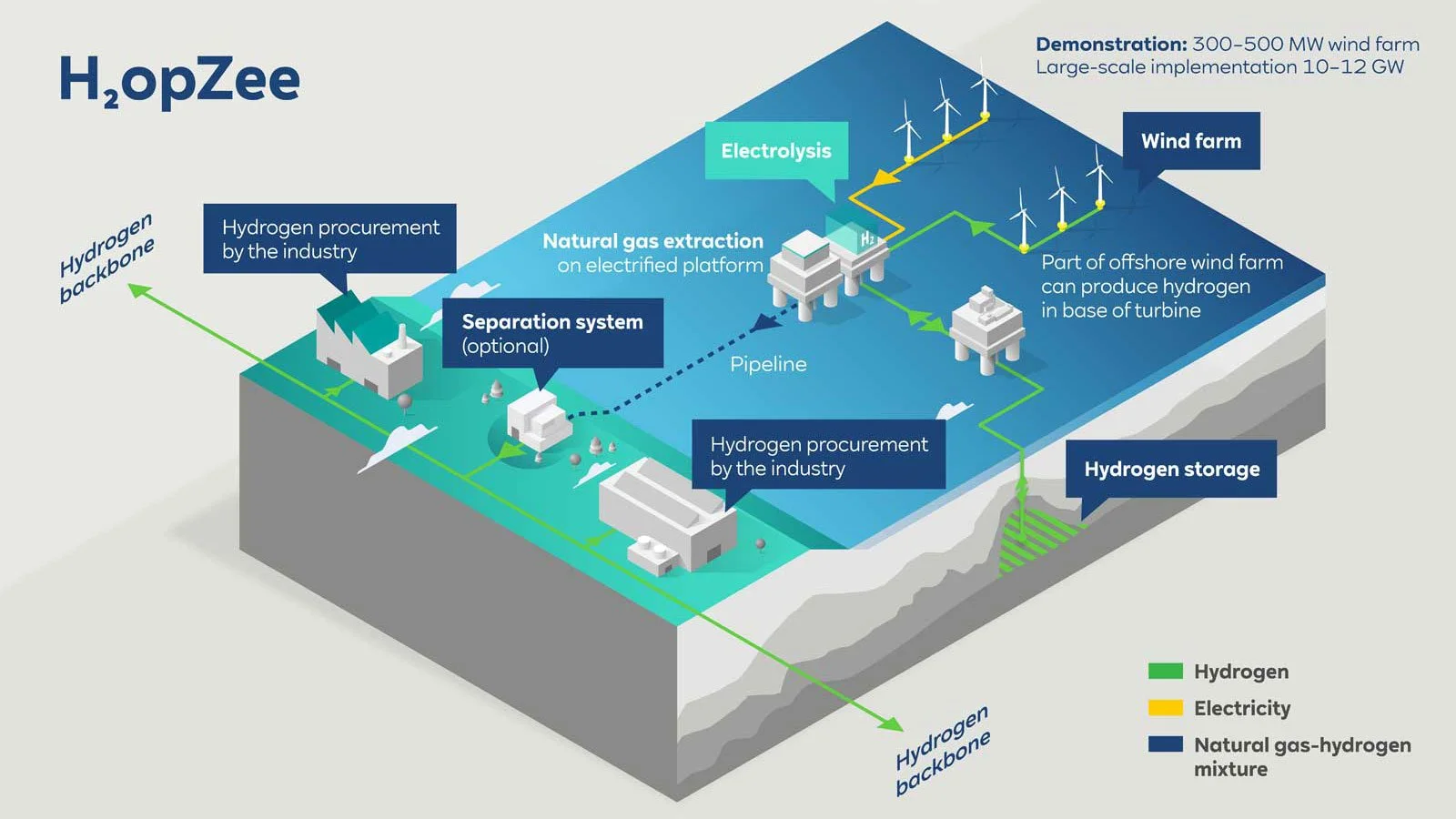
• Hydrogen infrastructure
• Carbon capture and storage (CCS)
• Offshore and subsea pipelines
In hydrogen applications, where material performance is critical, high-strength steels must also address challenges such as hydrogen embrittlement. This places even greater emphasis on material quality and testing standards.
A STEP TOWARDS MORE SUSTAINABLE PIPELINES
Sustainability is becoming a key driver in pipeline design. By reducing material usage and improving efficiency, high-strength steels contribute to lower emissions across the entire lifecycle of a project.
This aligns with broader industry goals to develop infrastructure that is not only high-performing but also environmentally responsible. In this context, material innovation is a key enabler of sustainable engineering.
ArcelorMittal’s development of high-strength pipeline steel highlights a clear direction for the future of pipeline design. By enabling reduced wall thickness without sacrificing performance, these materials offer a smarter, more efficient approach to modern infrastructure.
As industries continue to demand higher performance and lower environmental impact, innovations like this will play a central role. In the years ahead, pipeline strength will increasingly come from material intelligence rather than material mass.