Common Valve Installation Mistakes (How to Prevent Them)

INTRODUCTION: WHY INSTALLATION MATTERS MORE THAN YOU THINK
Even the highest-quality valve can fail prematurely if it’s installed incorrectly. In many cases, valves that “don’t last” aren’t poorly manufactured — they’re poorly installed. Valve installation errors are one of the leading causes of leaks, poor performance, and early failure in industrial systems.
Installation issues often don’t show up immediately. Instead, they appear weeks or months later as leakage, stiff operation, vibration, or actuator problems. Understanding the most common mistakes — and how to prevent them — is essential for long-term reliability.
MISTAKE 1: INCORRECT VALVE ORIENTATION
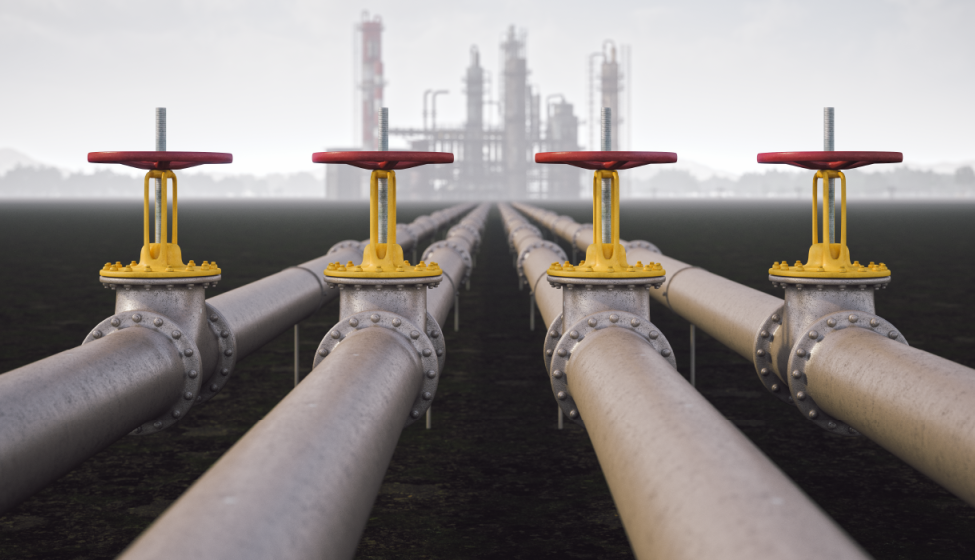
One of the most common errors is installing a valve in the wrong orientation. Many valves are directional, meaning they are designed for flow in one direction only. Ignoring flow arrows on the valve body can lead to poor sealing, excessive wear, or complete malfunction.
Check valves are particularly sensitive to orientation, but control valves and some pressure-regulating valves are also affected. Even isolation valves can suffer performance issues if installed against design intent.
Always confirm flow direction, mounting position, and actuator orientation before installation.
MISTAKE 2: POOR PIPE SUPPORT AND STRAIN
Valves are not designed to carry the weight of pipework. Installing a valve without proper pipe support introduces mechanical stress, leading to body distortion, seat misalignment, and leakage over time.
Heavy actuators mounted on unsupported pipework make the problem worse, especially in larger diameters. Vibration and thermal expansion amplify these stresses further.
Proper pipe supports and alignment reduce strain and dramatically extend valve service life.
MISTAKE 3: INCORRECT SEALING AND GASKET USE
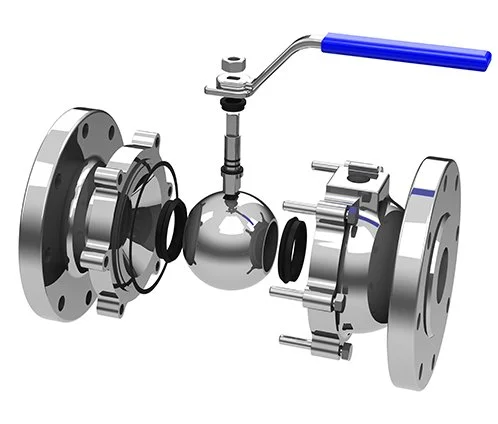
Using the wrong gasket material — or installing it incorrectly — is a frequent cause of leaks. Gaskets must match pressure, temperature, and media compatibility. Reusing old gaskets or mixing incompatible materials almost always leads to failure.
Seal faces must be clean, flat, and undamaged. Even small debris trapped during installation can compromise sealing integrity.
Correct gasket selection and careful surface preparation are simple steps that prevent major problems.
MISTAKE 4: OVER-TIGHTENING FASTENERS
More torque does not mean better sealing. Over-tightening flange bolts or threaded connections can deform valve bodies, damage seats, and crush seals. This often creates leaks rather than preventing them.
Bolts should always be tightened evenly and to the manufacturer’s recommended torque values. Uneven tightening leads to distortion and uneven loading across sealing surfaces.
Controlled, even tightening is critical to valve performance.
MISTAKE 5: MISALIGNMENT BETWEEN VALVE AND PIPEWORK
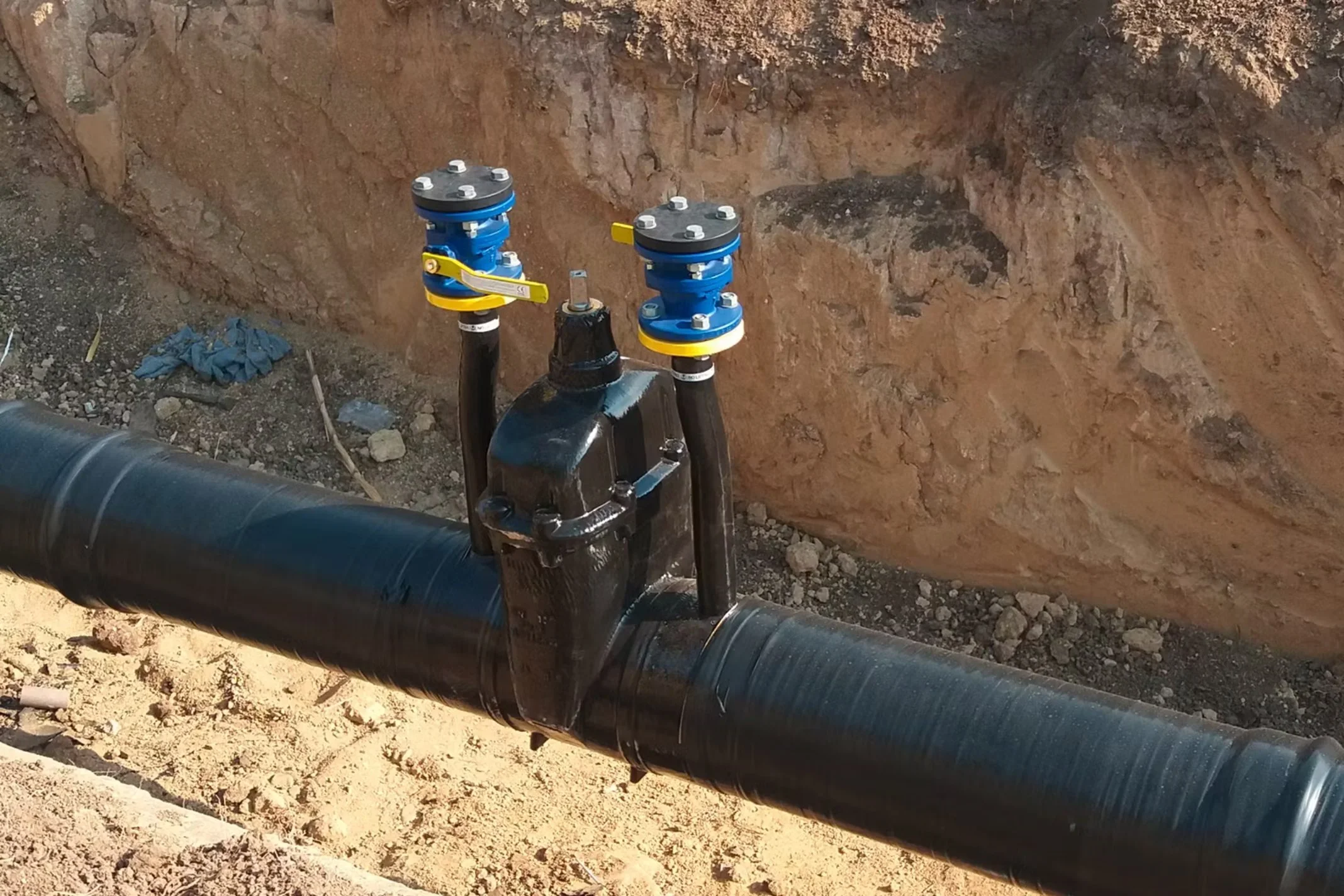
Misalignment during installation forces the valve to compensate for poor pipe positioning. This causes side loading on stems, seats, and actuators, leading to stiff operation and accelerated wear.
Misalignment is especially problematic for automated valves, where actuators rely on smooth, centred movement. Over time, this can result in actuator failure or loss of control accuracy.
Taking the time to align pipework correctly prevents long-term mechanical damage.
CONCLUSION: INSTALLATION SETS THE FOUNDATION
Valve installation is not a minor task — it defines how the valve will perform for the rest of its life. Correct orientation, proper support, suitable sealing, controlled tightening, and accurate alignment all work together to ensure reliability.
Preventing installation mistakes costs little time upfront and saves significant cost, downtime, and frustration later.