Valve Maintenance Basics: Inspection, Testing & Replacement
INTRODUCTION: WHY VALVE MAINTENANCE MATTERS
Valves are often expected to work continuously without attention — until something goes wrong. In reality, routine valve maintenance is essential for system reliability, safety, and efficiency. Poorly maintained valves can lead to leaks, pressure loss, contamination, unplanned downtime, and costly repairs.
A simple maintenance approach focused on inspection, testing, and timely replacement can dramatically extend valve life and prevent failures. This guide explains the basics every operator and engineer should understand.
ROUTINE VALVE INSPECTION: WHAT TO CHECK
Regular visual and operational inspections are the foundation of valve maintenance. Even when systems appear to be running normally, early warning signs are often visible.
Key inspection checks include:
• External leakage around the body, bonnet, or stem
• Corrosion or surface damage, especially in outdoor or aggressive environments
• Smooth operation, ensuring the valve opens and closes without sticking
• Unusual noise or vibration, which can indicate internal wear or incorrect sizing
Catching small issues early prevents them from becoming major failures later.
LEAK DETECTION AND SEAL PERFORMANCE
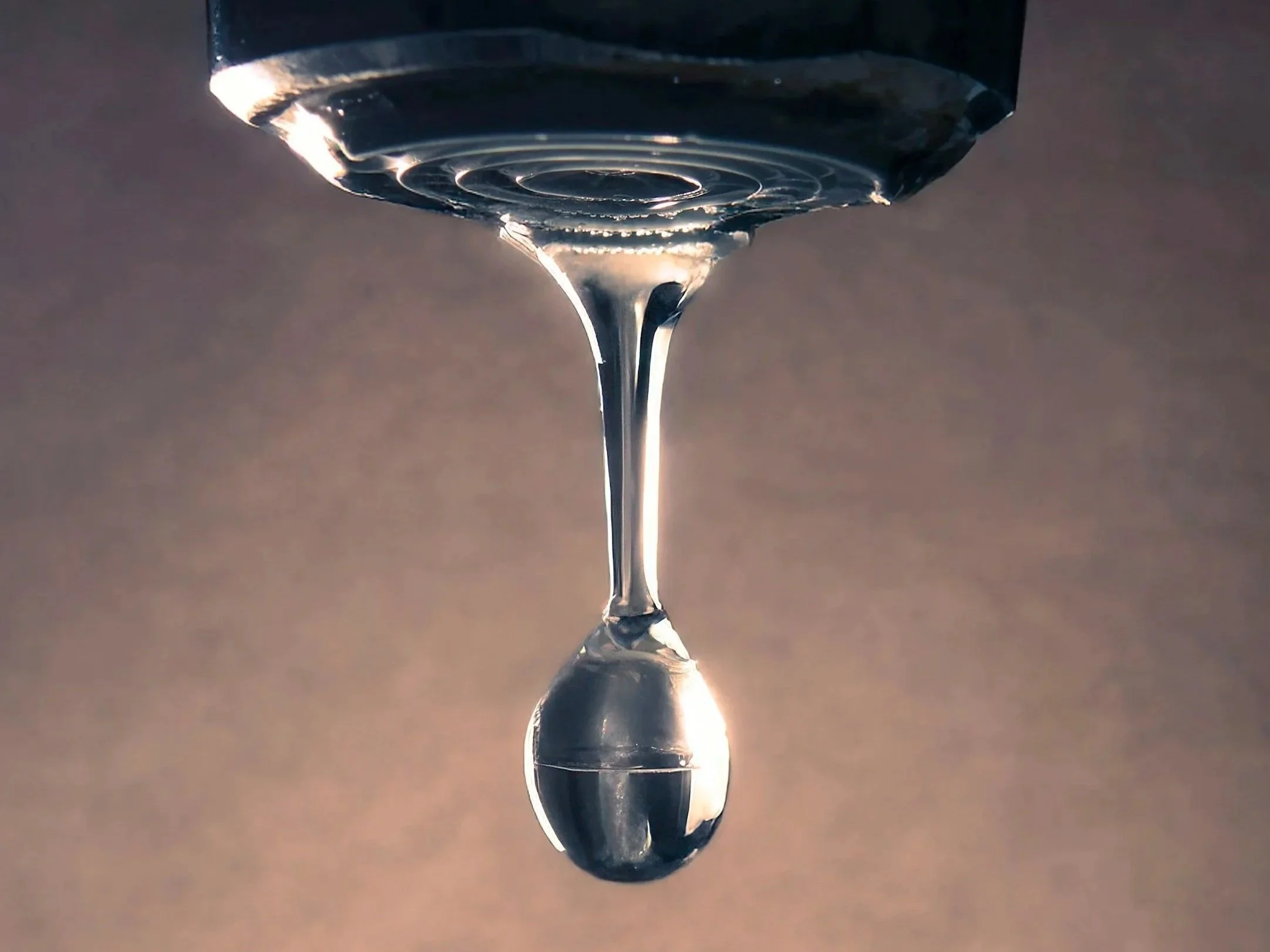
Leaks are one of the most common valve problems. They can occur externally or internally, where a valve fails to seal fully when closed.
External leaks are usually visible, but internal leakage often goes unnoticed until performance drops. Signs include pressure decay, temperature changes, or downstream flow when the valve should be shut.
Seat wear, seal degradation, and debris build-up are typical causes. In critical systems, routine leak testing ensures valves continue to meet isolation and safety requirements.
SEAT WEAR AND INTERNAL COMPONENT DAMAGE
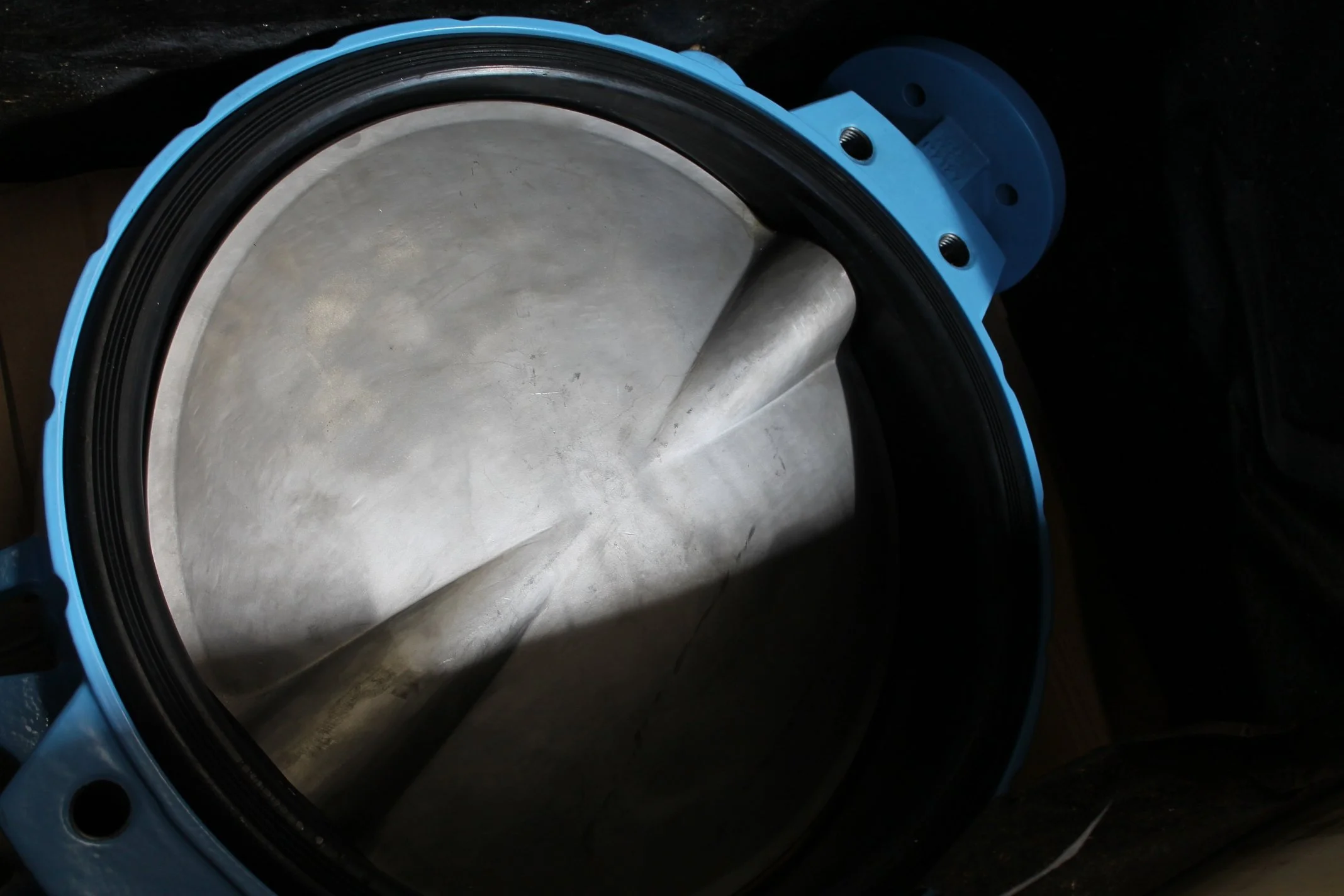
The valve seat is one of the most stressed components. Every operation introduces friction, pressure, and wear. Over time, damaged seats reduce shut-off performance and increase leakage.
Factors accelerating seat wear include abrasive media, frequent cycling, high temperatures, and throttling with valves not designed for regulation. Once seat damage progresses beyond minor wear, performance rarely improves without intervention.
In many cases, replacing internal components is possible — but only if the valve design supports it.
ACTUATOR INSPECTION AND FUNCTION CHECKS
For automated valves, actuator health is just as important as valve condition. Actuators should be inspected for air leaks, electrical faults, moisture ingress, and response speed.
Common warning signs include sluggish movement, inconsistent positioning, or overheating in electric actuators. Pneumatic actuators should be checked for seal condition and air supply quality.
A failing actuator places extra strain on the valve, accelerating wear and increasing failure risk.
WHEN REPLACEMENT IS THE SMARTER OPTION
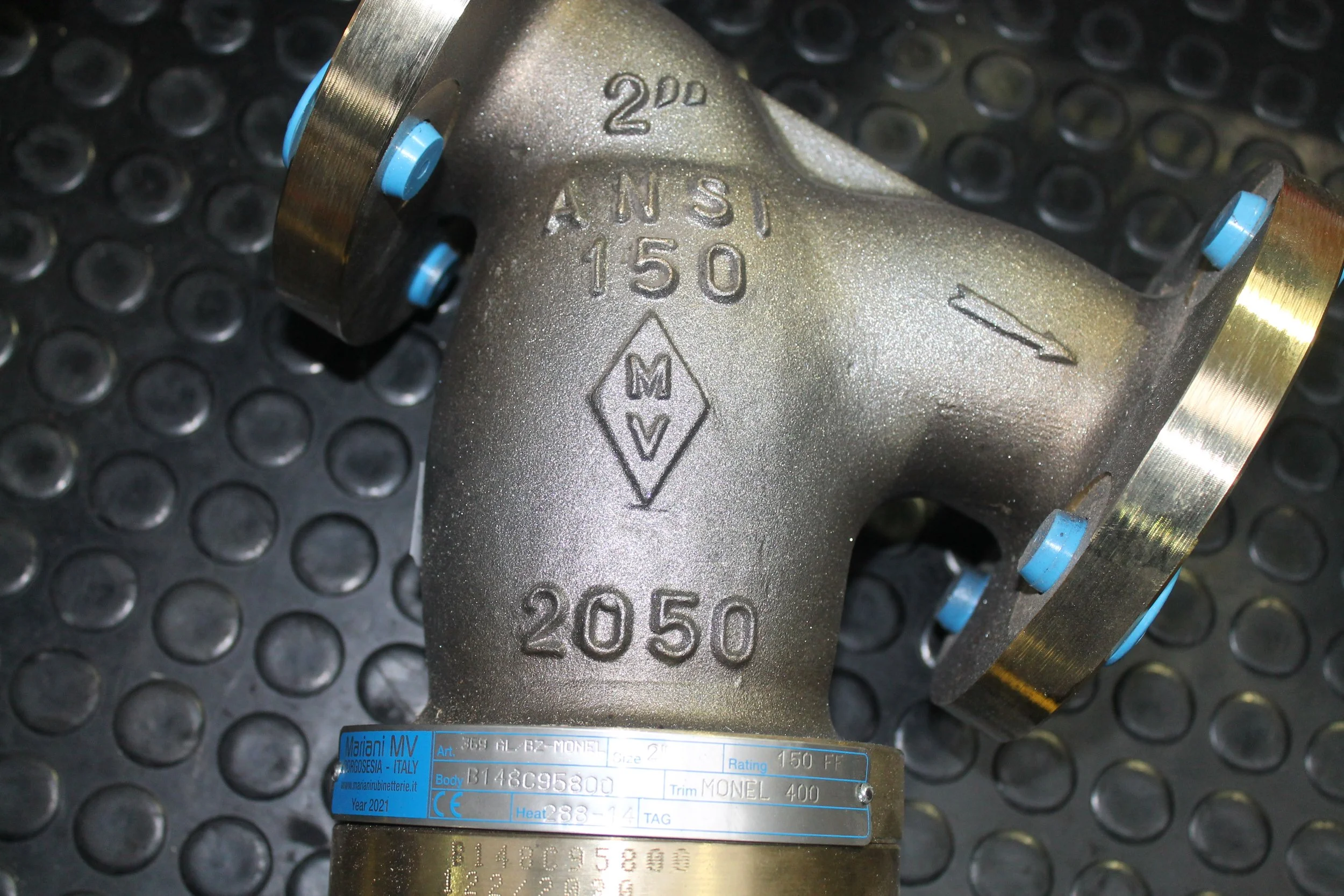
Not every valve should be repaired. As valves age, maintenance costs increase and reliability decreases. Replacement becomes the smarter option when repairs are frequent, parts are unavailable, or performance no longer meets requirements.
Modern valves often offer better sealing, lower torque, improved materials, and compatibility with automation. Replacing an ageing valve can reduce downtime, improve efficiency, and lower long-term operating costs.
Good maintenance isn’t just about fixing problems — it’s about knowing when not to.
CONCLUSION: MAINTENANCE PROTECTS PERFORMANCE
Valve maintenance doesn’t need to be complex. Regular inspection, basic testing, actuator checks, and informed replacement decisions prevent the majority of failures.
A well-maintained valve system is safer, more efficient, and far more reliable — and that reliability starts with understanding the basics.