Pipe Size vs Valve Size: Why They’re Not Always the Same

THE ASSUMPTION THAT CAUSES PROBLEMS
One of the most common mistakes in fluid systems is assuming that pipe size and valve size are identical. On paper, a DN50 pipe and a DN50 valve look like a perfect match — but in practice, they can behave very differently.
This misunderstanding leads to unexpected pressure drop, noise, poor control, and premature wear. To select valves correctly, it’s essential to understand how pipe size, valve size, and internal bore actually relate.
PIPE SIZE: WHAT IT REALLY MEANS
Pipe size is a nominal designation, not a precise measurement of internal diameter.
Pipe standards define outside diameter, wall thickness (schedule), and pressure rating — all of which influence the actual internal bore.
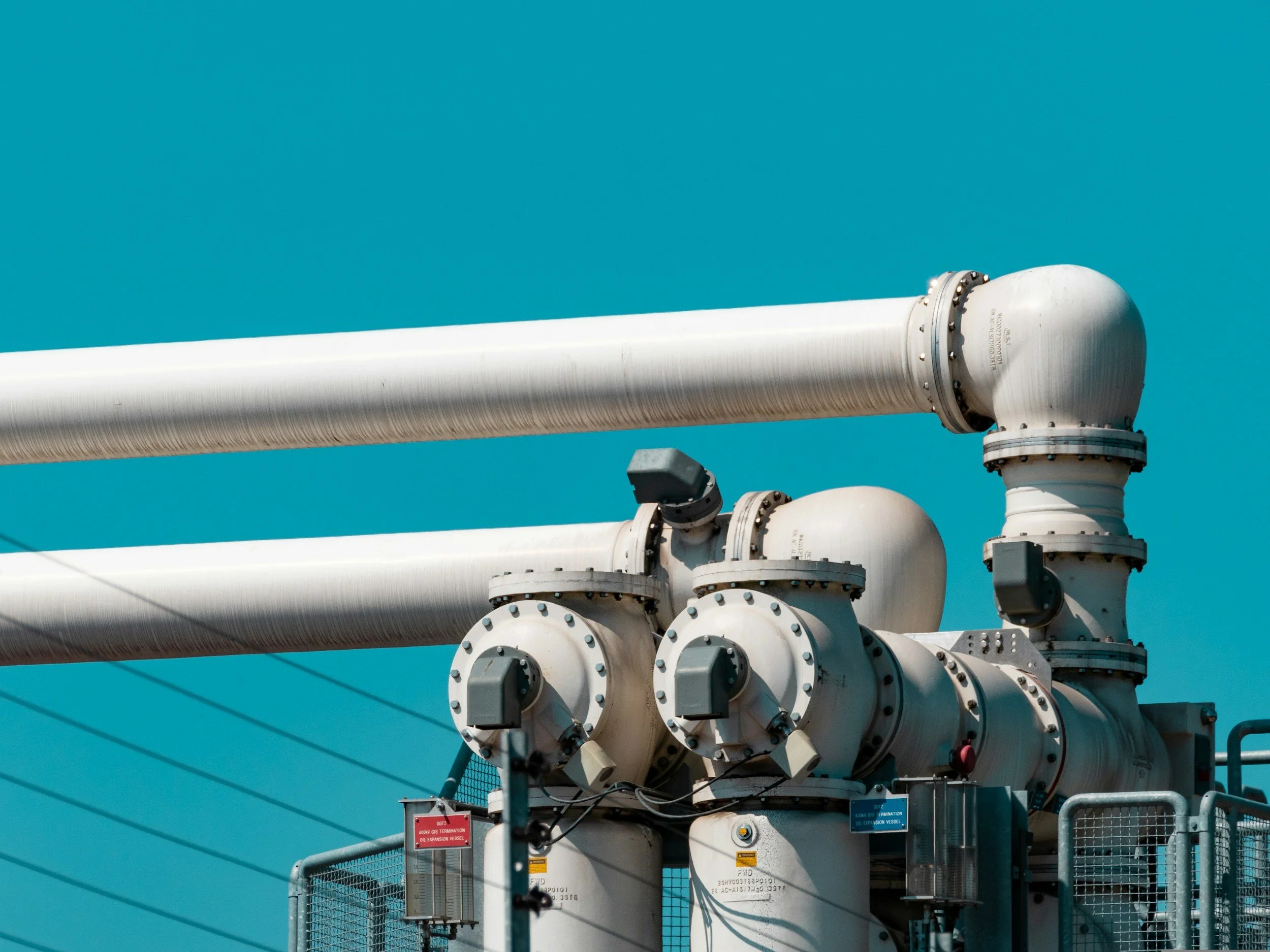
For example, two pipes with the same nominal size can have very different internal diameters depending on wall thickness.
Higher pressure pipes have thicker walls and smaller internal bores, even though the nominal size remains the same.
Pipe size ensures compatibility — not flow capacity.
VALVE SIZE: MORE THAN A CONNECTION
Valve size also refers to a nominal connection size, designed to match the pipe or flange it connects to.
However, the internal flow path inside the valve is influenced by design, pressure class, and bore type.
A valve may physically fit the pipe but still restrict flow internally. This is especially common with higher-pressure valves, compact designs, or reduced bore constructions.
Valve size tells you how it connects — not how it flows.
BORE SIZE: WHERE THE REAL DIFFERENCE LIES
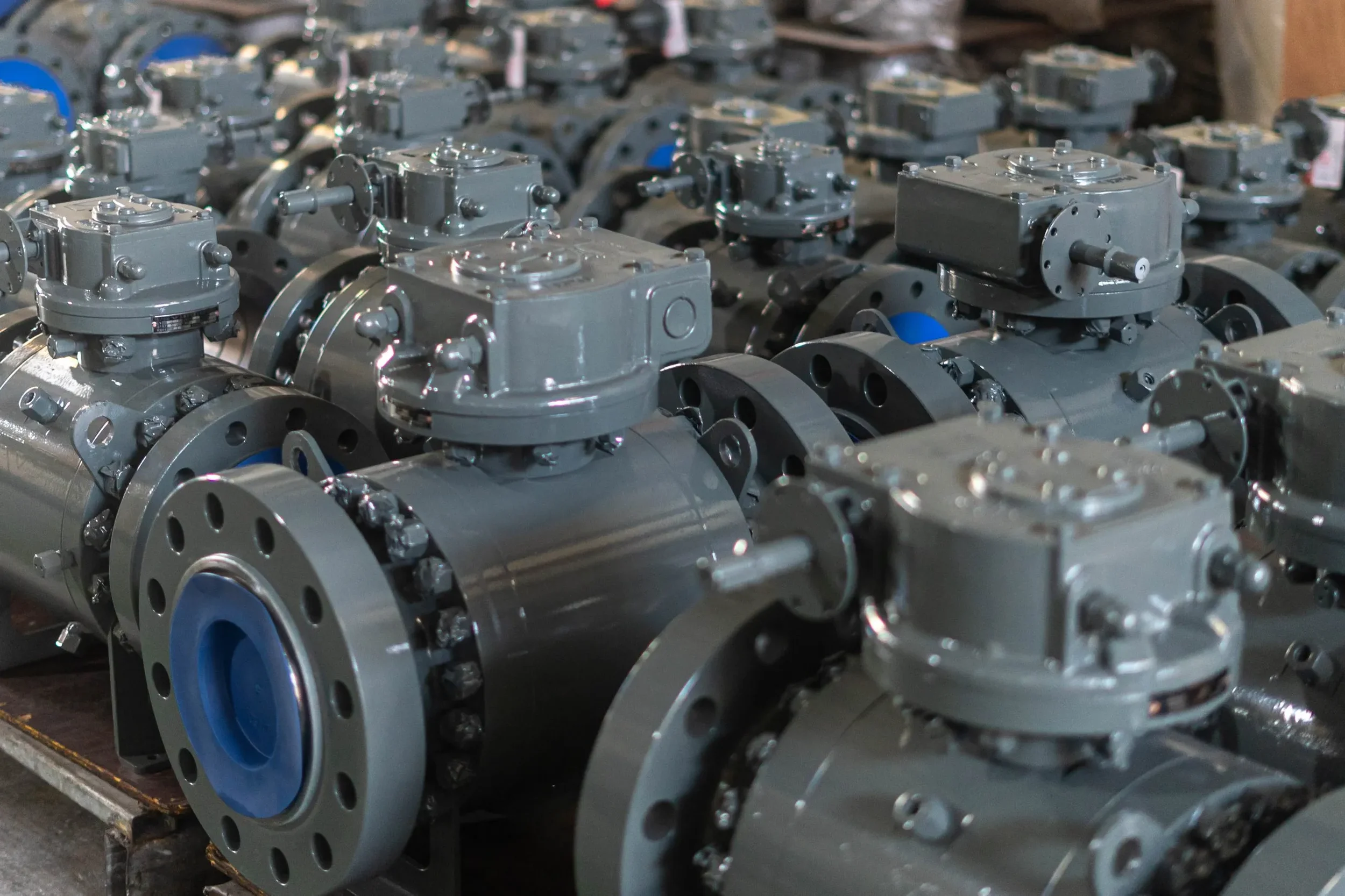
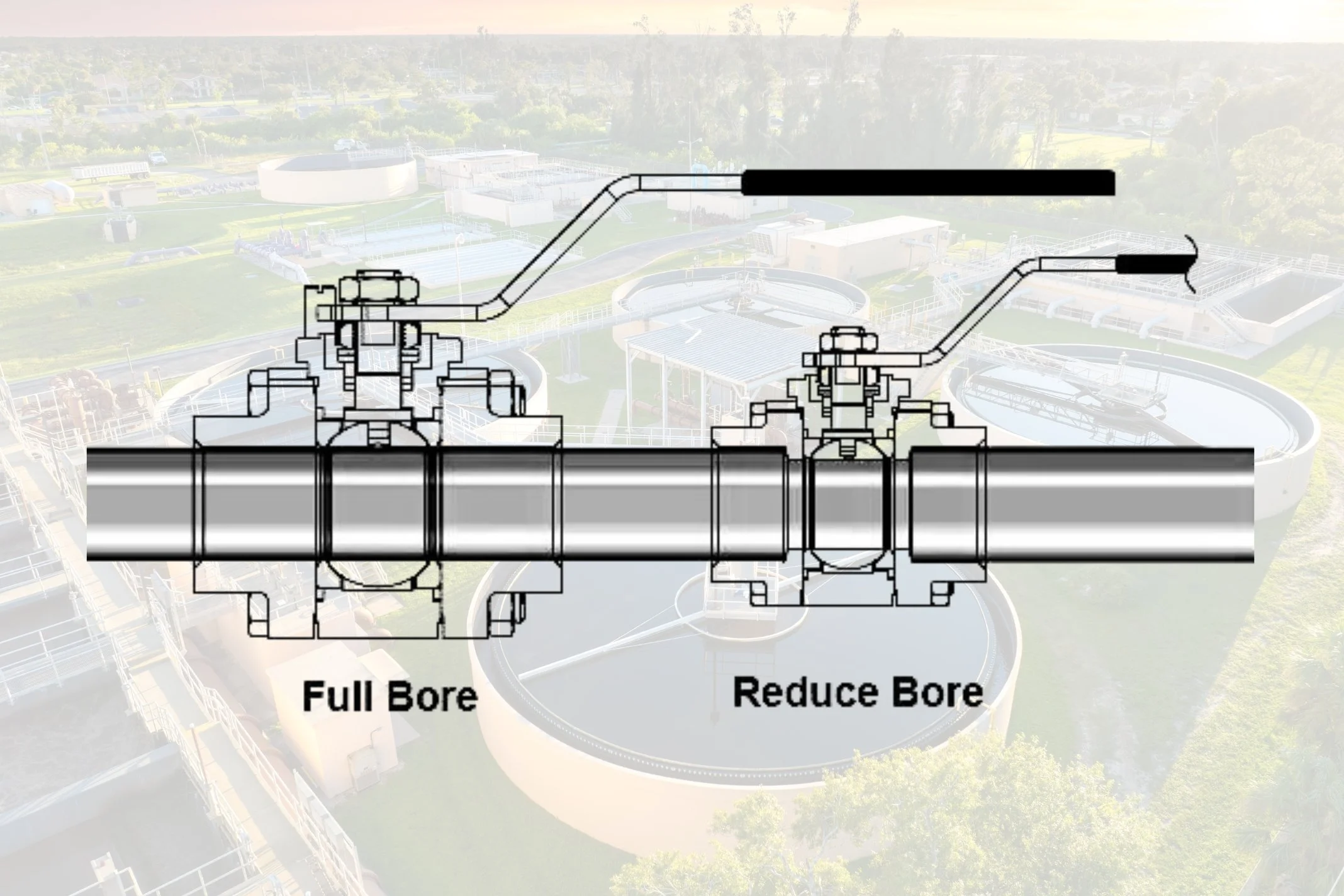
The most important factor separating pipe size from valve performance is bore size. Valves are typically classified as full bore or reduced bore.
A full bore valve has an internal diameter close to the pipe’s internal diameter, minimising pressure drop and turbulence. A reduced bore valve has a smaller internal opening, which restricts flow and increases velocity through the valve.
In systems where flow efficiency matters, bore size can be more important than nominal size.
PRESSURE DROP, NOISE, AND WEAR
When a valve bore is significantly smaller than the pipe bore, flow velocity increases. This leads to higher pressure drop, flow noise, vibration, and accelerated wear.
In control applications, mismatched sizing can cause unstable regulation and poor response. In on/off service, it can reduce system efficiency and increase pumping costs.
Understanding this relationship helps avoid problems that don’t appear until after commissioning.
WHEN PIPE SIZE AND VALVE SIZE MUST BE MATCHED CAREFULLY
Pipe size vs valve size becomes critical in the following situations:
• High-flow systems
• Long pipe runs
• Pump discharge lines
• Control valve applications
• Energy-sensitive systems
In these cases, selecting a valve based purely on nominal size is rarely enough.
SIZE MATCHING IS ABOUT PERFORMANCE
Pipe size and valve size are designed to connect — not to guarantee identical flow characteristics. The real performance comes from understanding bore size, pressure class, and internal geometry.
Correct valve selection means matching flow requirements, not just pipe dimensions.