DN vs NPS Size Chart: Metric vs Imperial Valve Sizes
WHY DN VS NPS STILL CAUSES MISTAKES
DN and NPS are the two most common valve sizing systems used worldwide — and one of the most common sources of ordering and installation errors. While they often look interchangeable, DN and NPS are not direct measurements and not true conversions of each other.
This guide explains how DN and NPS relate, why size charts exist, and how to use them correctly when selecting valves for international or mixed-standard systems.
WHAT DN AND NPS ACTUALLY REPRESENT

DN (Diamètre Nominal) is the metric nominal size system, widely used across Europe and most international standards. NPS (Nominal Pipe Size) is the imperial nominal system, primarily used in North America.
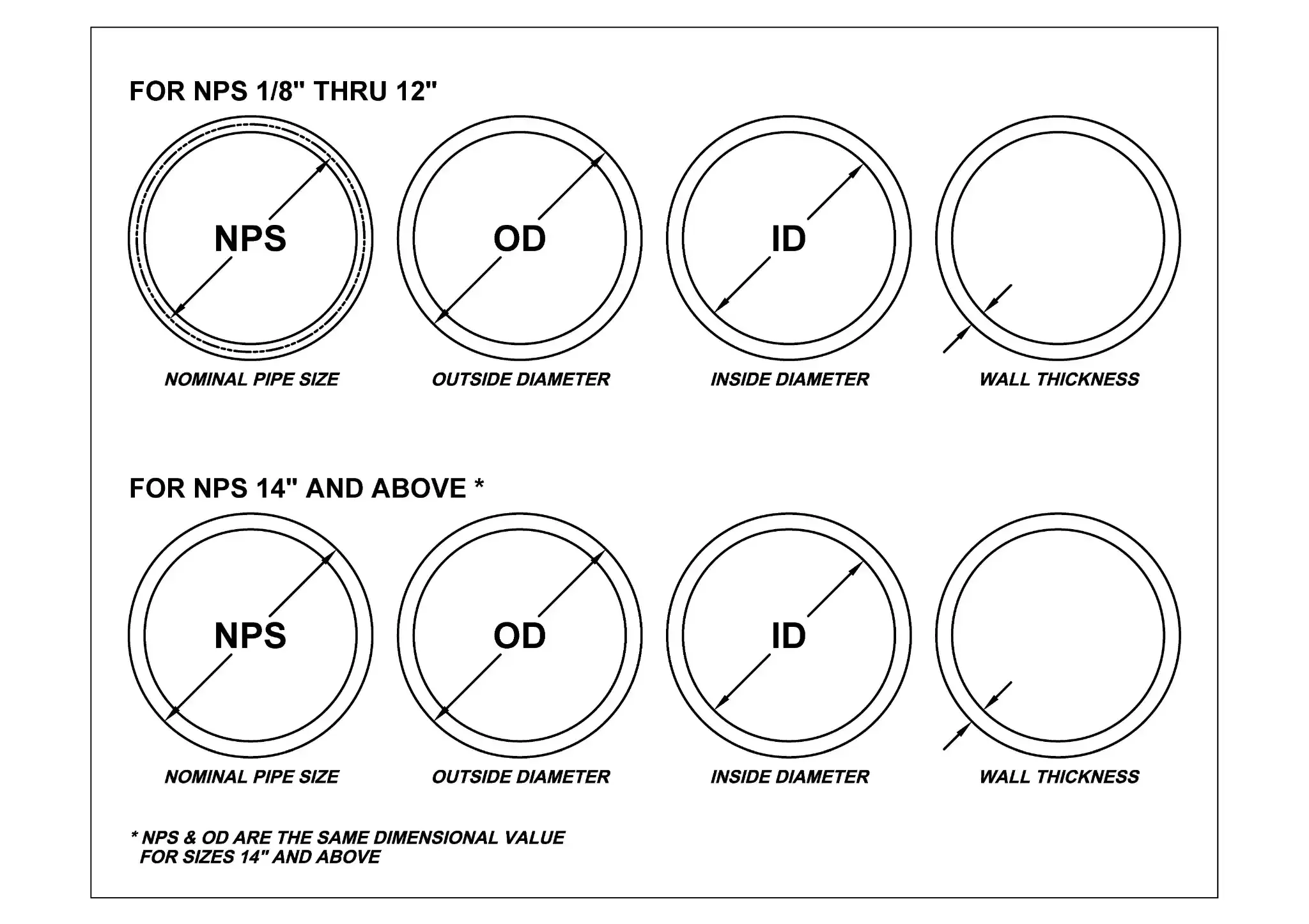
Crucially, neither DN nor NPS represents an exact internal or external diameter. Both are reference sizes designed to standardise compatibility between valves, pipes, and flanges.
For example, a DN50 valve and an NPS 2 valve are considered equivalent sizes — but their actual dimensions depend on pressure class, wall thickness, and standard.
COMMON DN TO NPS EQUIVALENTS
DN and NPS are typically paired using accepted equivalence charts. Some common examples include:
• DN15 ≈ NPS ½
• DN25 ≈ NPS 1
• DN50 ≈ NPS 2
• DN100 ≈ NPS 4
• DN150 ≈ NPS 6
These pairings exist to support global compatibility — but they are approximate, not mathematical conversions. Assuming exact equivalence without checking standards can lead to flange mismatch or flow issues.
WHY DN AND NPS ARE NOT DIRECT CONVERSIONS
A common misconception is treating DN as millimetres and NPS as inches. This is incorrect. Pipe schedules, pressure classes, and standards such as PN, ANSI, and ASME all influence the final dimensions.
For example, two NPS 2 valves with different pressure classes can have different bore sizes and wall thicknesses. The same applies to DN valves across different PN ratings.
Valve size charts exist because real dimensions vary.
WHEN DN VS NPS MATTERS MOST

DN vs NPS differences become critical in the following situations:
• Mixing European and North American equipment
• Replacing valves in older systems
• Matching valves to existing flanges
• High-pressure or high-temperature applications
• International projects with multiple suppliers
In these cases, relying on size charts and datasheets is essential to avoid costly rework.
HOW TO USE DN VS NPS SIZE CHARTS CORRECTLY
A proper DN vs NPS size chart aligns nominal sizes while highlighting key dimensional differences. Always confirm:
• Flange standard (EN, ANSI, ASME)
• Pressure rating or class
• Face-to-face dimensions
• Bore type (full bore or reduced bore)
Never select a valve based on size label alone. The chart is a starting point, not the final check.
SIZE LABELS ARE GUIDES, NOT GUARANTEES
DN and NPS are both vital sizing systems, but misunderstanding them causes more valve issues than almost anything else. Size charts bridge the gap between metric and imperial standards — but only when used correctly.
Correct sizing starts with understanding what DN and NPS really mean.