How to Read Valve Size Markings & Nameplates
WHY NAMEPLATES MATTER
Every industrial valve tells a story — and that story is written on its nameplate and body markings. Unfortunately, these markings are often overlooked or misunderstood, leading to incorrect installation, compliance issues, or poor replacement choices.
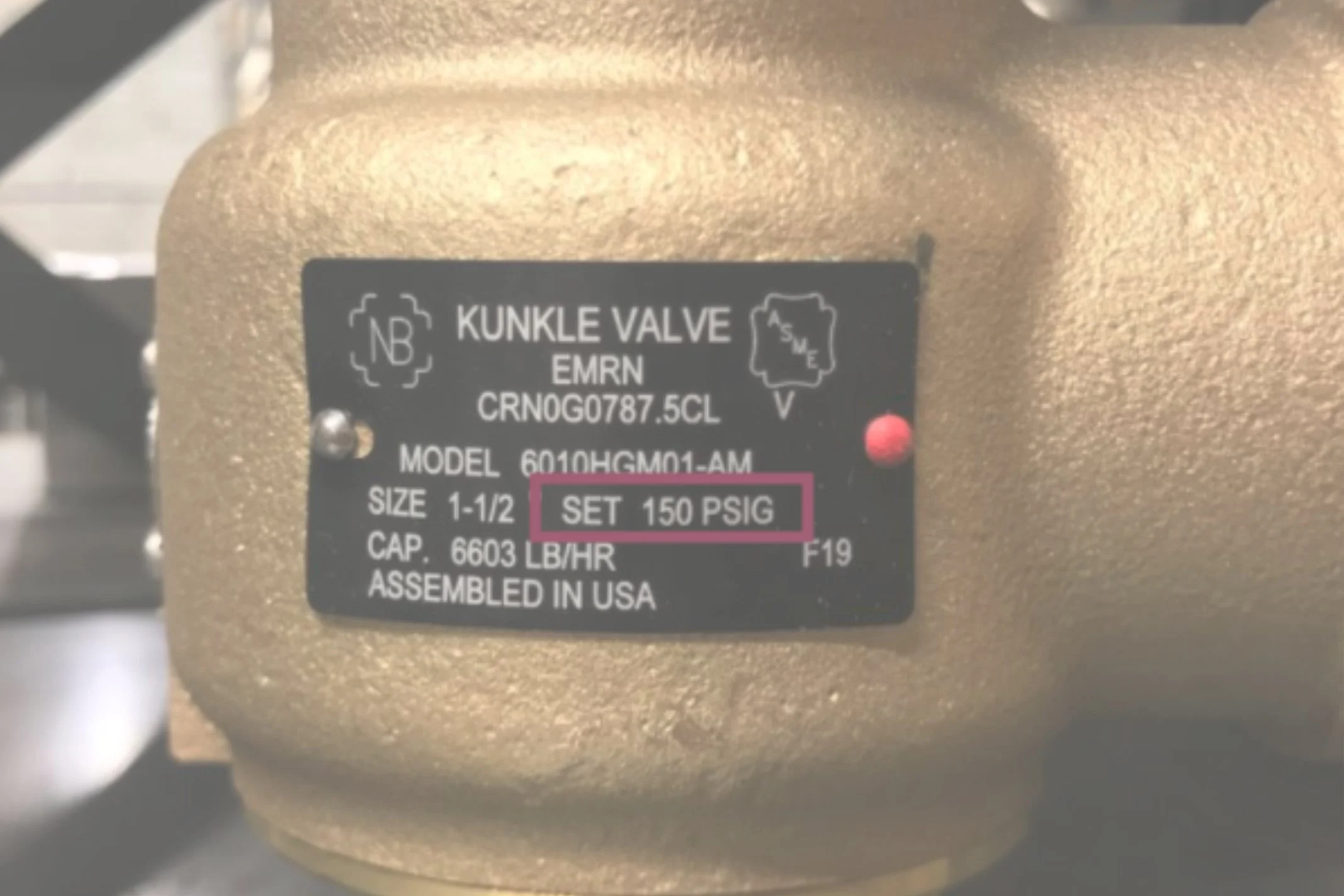
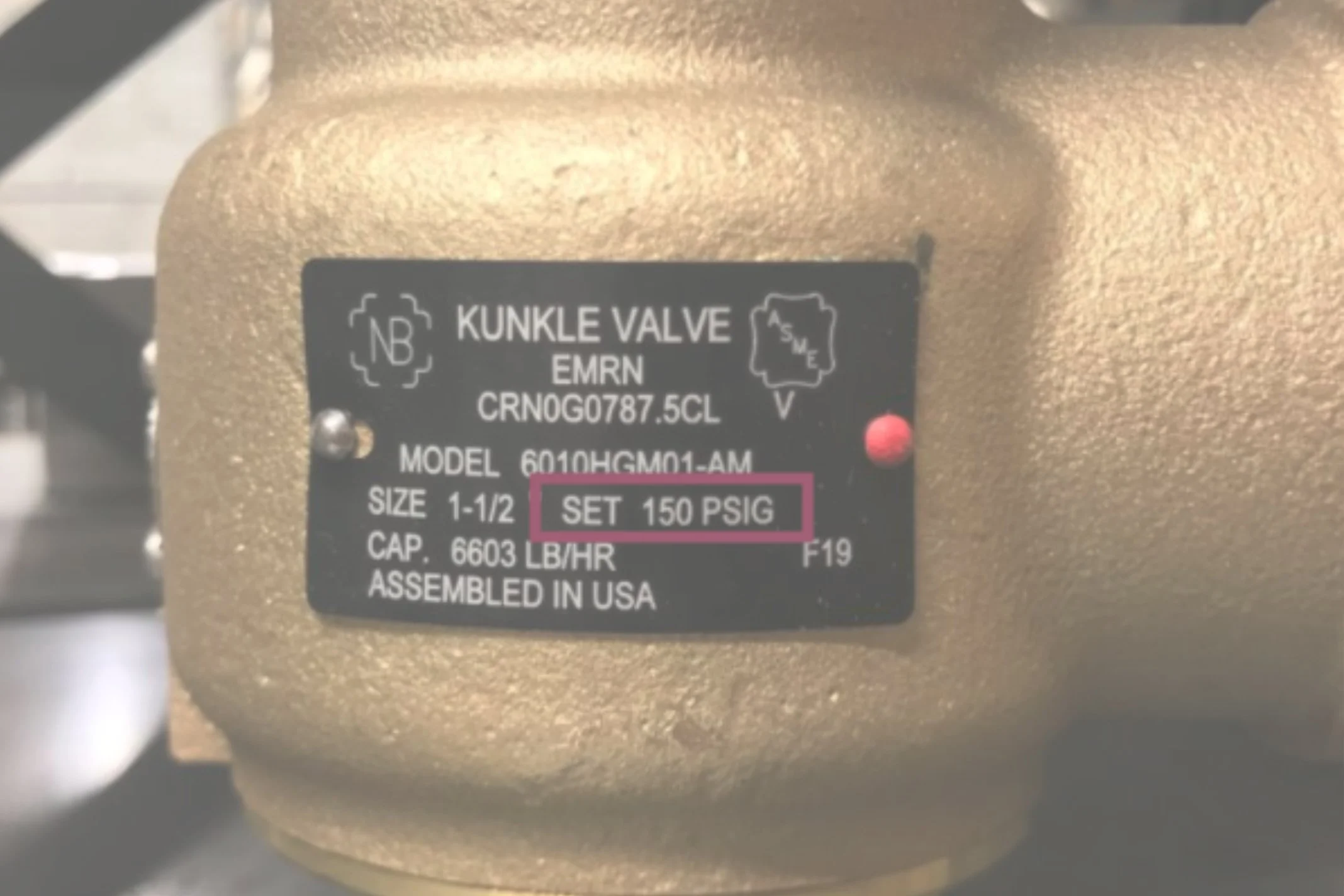
Being able to read a valve nameplate correctly allows engineers and maintenance teams to confirm size, pressure rating, material, and suitability without guesswork. This guide breaks down the most common markings and explains what actually matters.
VALVE SIZE MARKINGS: DN, NPS & NOMINAL SIZE
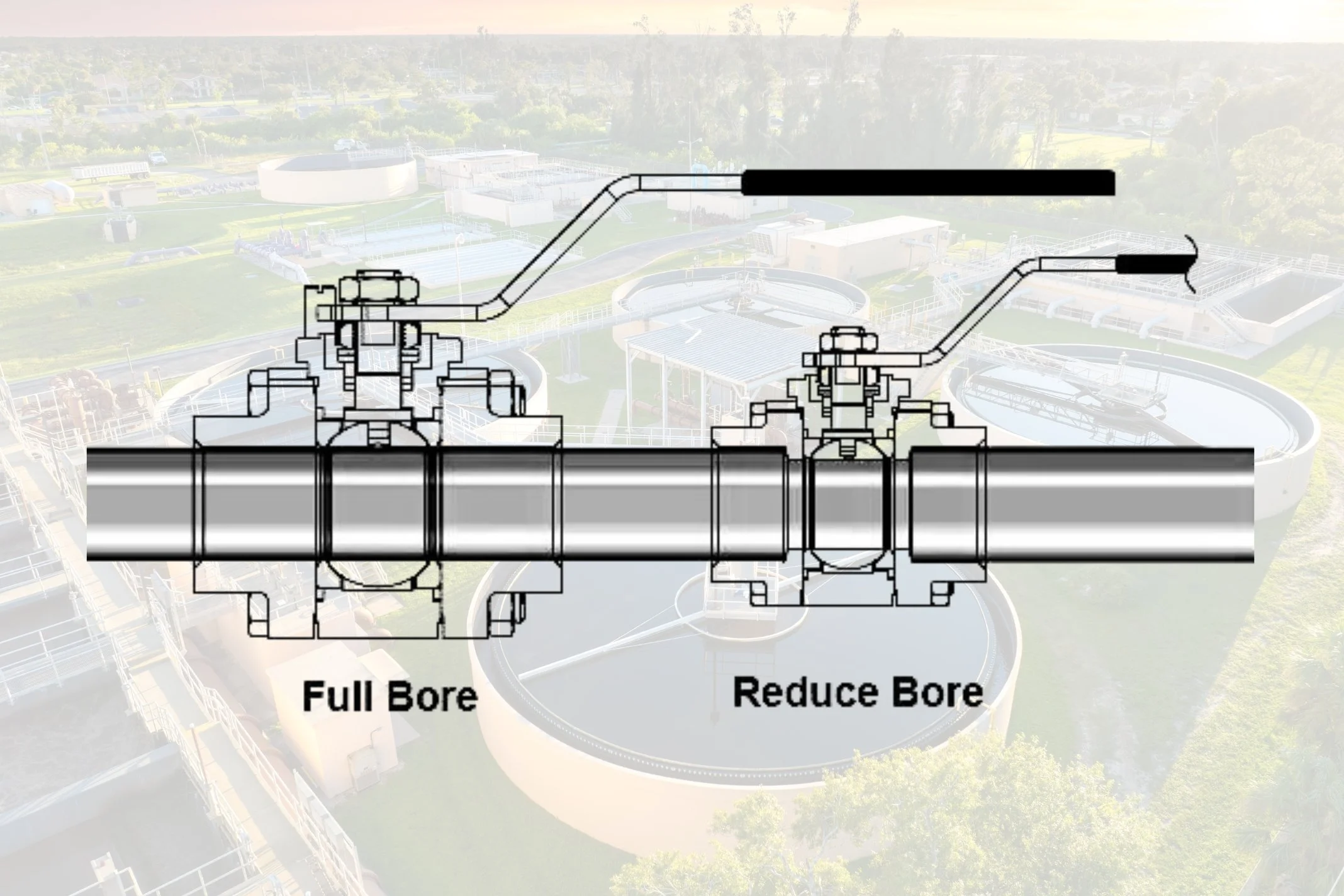
The first thing most people look for is size. Valve size is usually shown as DN (metric) or NPS (imperial) and may appear on the nameplate, body casting, or both.
Examples include DN50, DN100, NPS 2, or NPS 4. These are nominal sizes, not exact internal diameters. Some valves may also use the term NB (Nominal Bore), which is a general descriptor rather than a formal standard.
Always treat size markings as connection references, not flow guarantees.
PRESSURE RATINGS: PN, CLASS & MAX WORKING PRESSURE
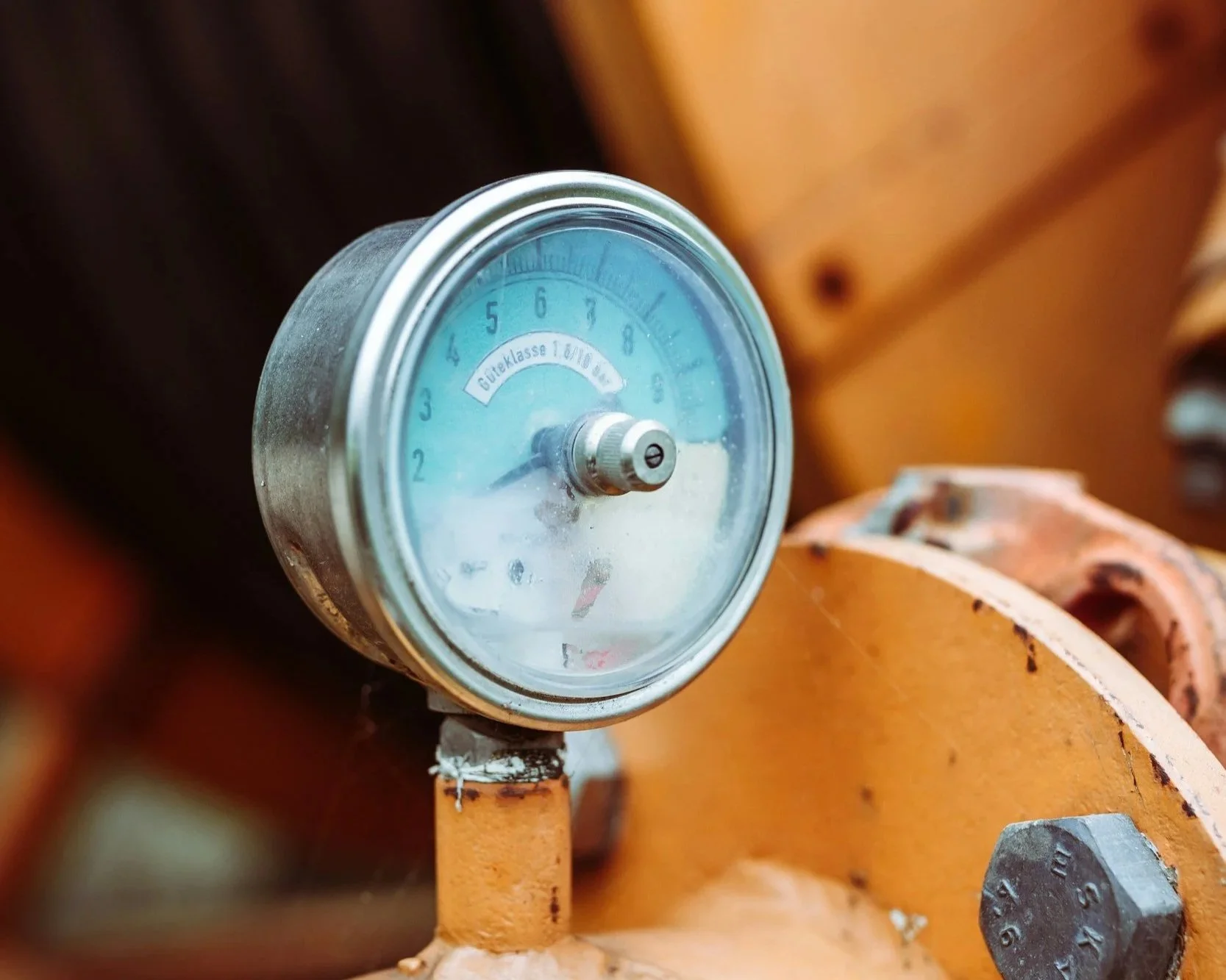
Pressure ratings are critical for safety and compliance. These are commonly shown as PN ratings (PN16, PN25, PN40) or ANSI classes (Class 150, 300, 600).
These ratings define the maximum allowable pressure at a given temperature. They are not fixed values across all conditions. As temperature increases, allowable pressure decreases.
Some nameplates may also show a maximum working pressure in bar or psi. This must always be checked against operating temperature.
MATERIAL CODES AND BODY MARKINGS
Valve materials are often identified using material codes or abbreviations rather than full descriptions. Common examples include WCB (carbon steel), CF8 (stainless steel), CF8M, or bronze and ductile iron grades.
These markings confirm chemical composition, strength, and corrosion resistance. Matching material codes is essential when replacing valves or verifying suitability for specific media.
Never assume material based on appearance alone — coatings can be misleading.
TEMPERATURE LIMITS AND SEAT MATERIALS
Some nameplates include maximum and minimum temperature limits, especially on control and specialist valves.
Seat and seal materials often determine these limits more than the valve body itself.
Soft-seated valves typically have lower temperature limits than metal-seated designs. Ignoring temperature markings can result in seal failure even if pressure ratings appear correct.
MANUFACTURER DETAILS AND TRACEABILITY
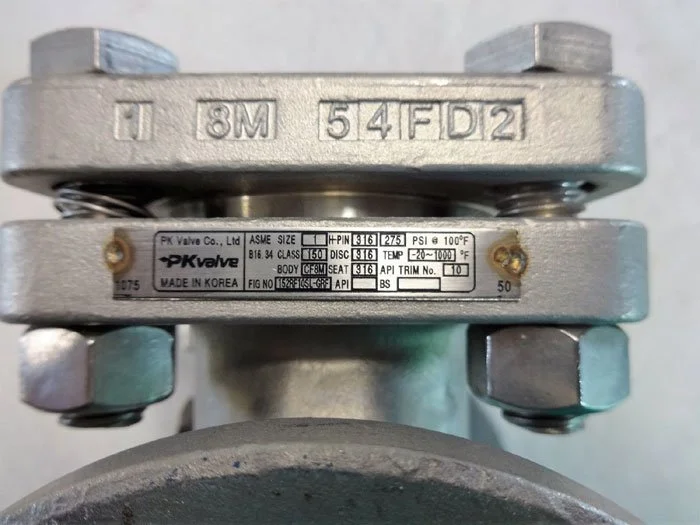
Most industrial valves include manufacturer information such as brand name, model number, serial number, and sometimes year of manufacture.
This information supports traceability, certification, and spare parts identification.
For regulated industries, traceability is essential for audits and compliance.
Missing or damaged nameplates can complicate maintenance and replacement planning.
COMMON MISTAKES WHEN READING NAMEPLATES
A frequent mistake is focusing only on size and ignoring pressure or temperature limits. Another is assuming PN and Class ratings are interchangeable without checking standards.
A valve nameplate must be read as a complete set of information, not individual markings in isolation.
NAMEPLATES REMOVE GUESSWORK
Valve nameplates exist to eliminate uncertainty. When read correctly, they confirm whether a valve is safe, compliant, and suitable for its application.
Understanding valve markings is a simple skill that prevents costly errors.