Full Bore vs Reduced Bore Valves (Size Comparison Guide)

WHY BORE SIZE MATTERS MORE THAN YOU THINK
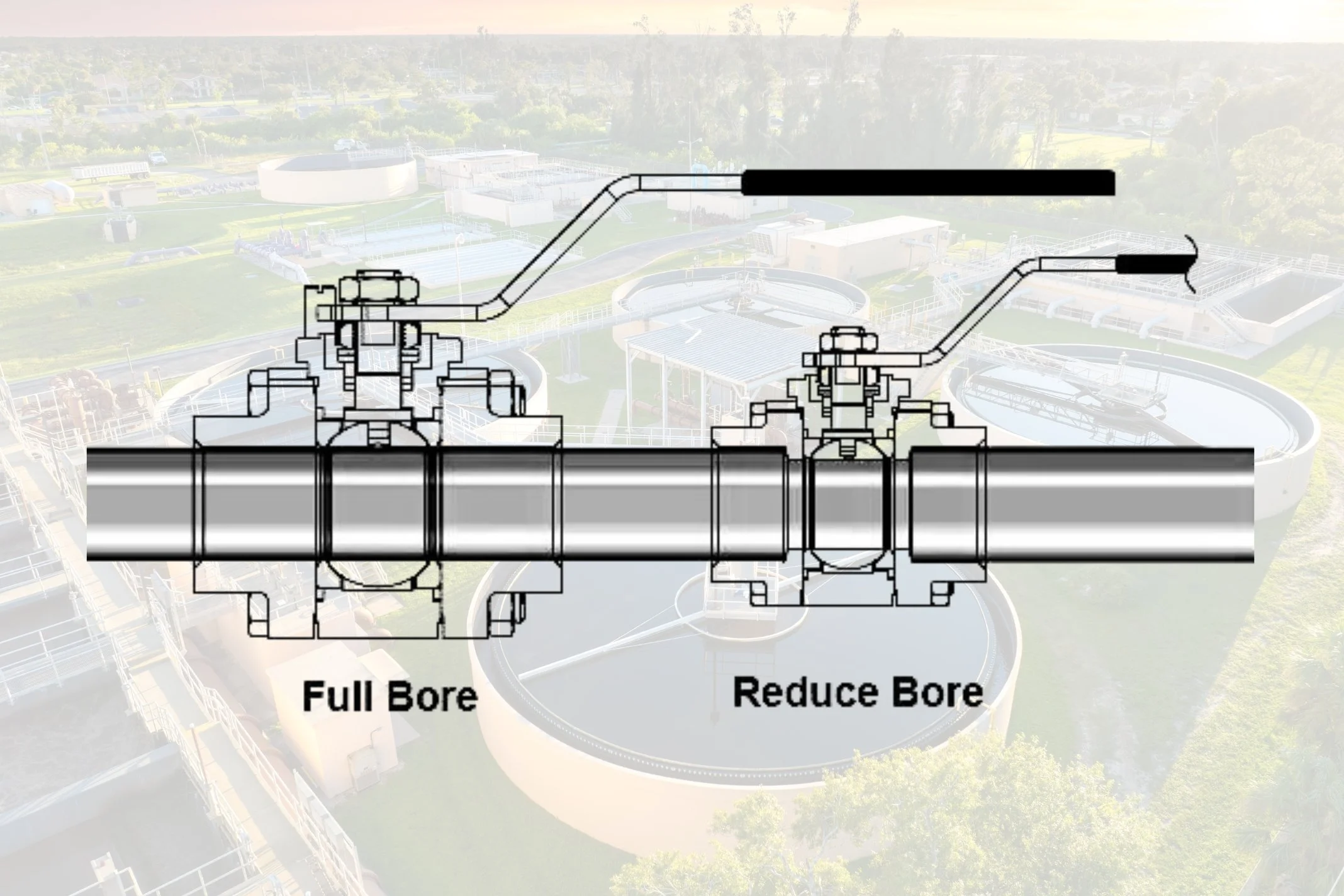
When selecting a valve, nominal size often gets all the attention. But bore size — the internal opening through the valve — has a major impact on flow, pressure drop, noise, and wear. Two valves with the same DN or NPS can behave very differently depending on whether they are full bore or reduced bore.
This guide explains the difference, shows when each type is appropriate, and helps you avoid common sizing mistakes.
WHAT IS A FULL BORE VALVE?
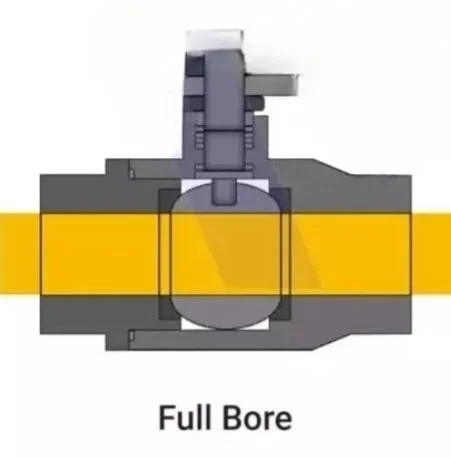
A full bore valve has an internal diameter that is very close to the pipe’s internal diameter. This allows fluid to pass through with minimal restriction.
Key characteristics of full bore valves include:
• Minimal pressure drop across the valve
• Reduced turbulence and flow disturbance
• Lower flow velocity, which reduces wear
• Pigging capability in pipelines (common in oil & gas)
Because the flow path is nearly straight-through, full bore valves are often chosen where efficiency and throughput are critical.
WHAT IS A REDUCED BORE VALVE?
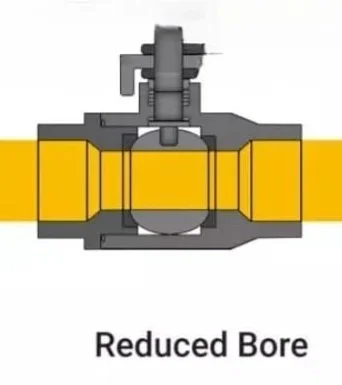
A reduced bore valve has an internal opening smaller than the pipe’s internal diameter. This restriction increases flow velocity through the valve.
Key characteristics of reduced bore valves include:
• Higher pressure drop compared to full bore
• More compact design and lighter weight
• Lower cost in many cases
• Suitable for on/off duties where flow loss is acceptable
Reduced bore designs are common in higher pressure classes, where thicker valve bodies are required, and in applications where space or cost is a priority.
FULL BORE VS REDUCED BORE: PRACTICAL COMPARISON
The difference between full bore and reduced bore becomes most noticeable in real-world operation.
With full bore valves, systems benefit from smoother flow and lower energy consumption. Pumps don’t need to work as hard, and erosion risk is reduced. With reduced bore valves, pressure losses increase, which can raise operating costs and introduce noise or vibration in high-flow systems.
Neither option is inherently “better” — the right choice depends on application requirements.
WHEN TO CHOOSE FULL BORE
Full bore valves are typically preferred when:
• Flow efficiency is critical
• Pressure drop must be minimised
• Pigging is required
• High flow rates are present
• Energy costs are a concern
They are commonly used in pipelines, pump discharge lines, and critical process systems.

WHEN REDUCED BORE MAKES SENSE
Reduced bore valves are often the better choice when:
• Space is limited
• Cost control is important
• The valve operates mainly on/off
• Flow rates are moderate
• Higher pressure classes are required
In many HVAC, utility, and general industrial systems, reduced bore valves perform perfectly well.
COMMON MISUNDERSTANDINGS TO AVOID
A frequent mistake is assuming that a valve labeled DN or NPS automatically provides full flow. Nominal size does not guarantee full bore. Always check datasheets for actual bore dimensions.
Another misconception is that reduced bore valves are inferior. In the right application, they are efficient, reliable, and cost-effective.
MATCH THE BORE TO THE JOB
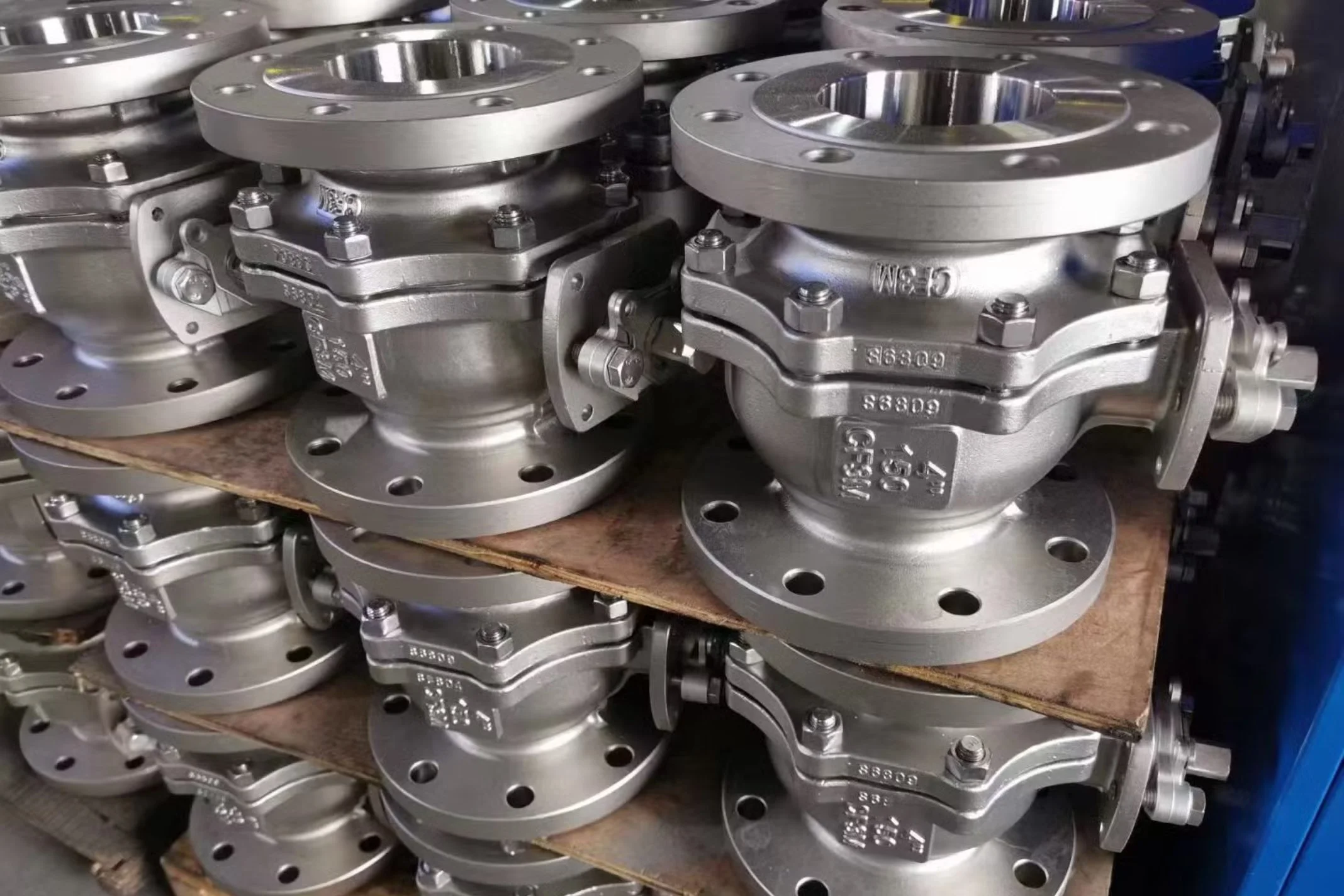
Full bore and reduced bore valves serve different purposes.
Understanding how bore size affects flow, pressure drop, and system behaviour allows for better selection and fewer surprises after installation.
Valve sizing isn’t just about connection size — it’s about internal geometry.